Where in the world is MJ you might be wondering? At the moment, she’s in back in Thailand.
Since I last wrote, literally months ago, I have walked hundreds of kilometers/miles in 5 countries, crossed the equator to the southern hemisphere, climbed well over a thousand stairs (I never stopped to add them all up) and a few mountains, visited dozens of temples, and visited the third largest island in the world (Australia excluded). I’ve met many beautiful and wonderful people that have left a mark on my heart and made my journey richer. The jungles of Borneo were amazing. The traffic in Hanoi was overwhelming. The simplicity of village life in Laos was heartwarming. Time with my Thai family was joyous. The beauty of Bali was rejuvenating.
My plan is to go back and write the detailed stories. Stories that capture the feelings, thoughts, and details beyond what I post on Facebook or Instagram. All those encounters that make my journey more robust. For now, I’m enjoying the journey and exploration. Not just of the locations I’m in, but of my mind, heart, and soul.
Hopefully these tidbits of my journey and the pictures will hold you over until the writing can happen. (And please don’t expect the tales of my trip to be in chronological order.)
Our world revolves around technology. Sometimes, technology fails us. Or in this case, the AC adaptor for my computer has failed me. Which I didn’t discover until I was in my guesthouse in Chiang Khong, Thailand, my first stop of my December adventure to Laos, Vietnam, and central Thailand.
Don’t worry, the blogs are still being written in my head and in my journal. I can’t wait to tell you about: ~ The amazing temples in Lampang and going camping in Phayao with my friends in Mae Puem National Park where peacocks are wild. ~ My new favorite temple in Chiang Rai that I discovered on a quick trip I squeezed in with a friend that was visiting her mom. ~ Checking a new country off my list and getting there by spending two days on a boat traveling down the Meekong River to reach Luang Prabang, Laos. ~ Exploring Luang Prabang on foot, including climbing 348 steps up Mt. Phusi, and what I learned about the Secret War at the UXO (Unexploded Ordnances) Museum. ~ Why zip lining through the jungle over the incredible Kuang Si Waterfall is definitely one of the top 10 experiences of the trip. ~ Leaving Luang Prabang behind and heading to the beautiful village of Nong Khiaw, nestled between karst mountains and the Nahm Ou (river). ~ What it’s like living out of my small backpack for a month of traveling. ~ And all about the people I have met, the friends I have made along the way and the food I have eaten.
Hopefully I can find a solution to my computer power woes in Hanoi. If not there, then my blogs will have to wait until January when I return to Chiang Mai.
After a busy first week of getting settled into life in Chiang Mai, daily routines are beginning to congeal. Surprisingly, adjusting to an unscheduled life takes some effort. In the midst of not doing a lot, I did have the opportunity to see my good friends, drink and eat good food, and take time to just enjoy the day to day routine of being in Chiang Mai.
Walking in Chiang Mai
My mornings have fallen into a pattern of walking to Wat Inthakhin to light incense and make merit, then over to Chiang Mai Gate market for an avocado-coconut-banana smoothie, then back to Tiptopthai, stopping to talk to one cheerful vendor that has packages of the Thai dessert I always refer to as “peanut yummy goodness” because I have no idea of the real name. The locals that I greet every day on this route, heartily greet me with each passing day and have started to make basic conversations from time to time. I’ll miss my routine when I’m gone from Chiang Mai for a week and then staying at a different guesthouse for a few days.
Walking in Chiang Mai is an unexpected obstacle course. The curbs, when present, are painted in red and white at the corners and half the time are slanted to allow motorcycles to drive up them for parking. Stepping up or down from the squared off curbs can be range of height from a few inches to a foot. And there are no curb ramps. Well, if they are present, they are usually so that motorcycles can use the sidewalk to jump to the front of the traffic line. If you can find a sidewalk, a smooth walk is not guaranteed. Count on encountering poles in the middle of path, signs, missing paver stones, wobbly manhole covers, missing manhole covers, and pipes sticking up for no apparent reason. I definitely do not recommend walking and texting as it can prove to be a hazard to life and limb. One last tidbit, despite always being taught to walk against traffic, ignore that and always walk with the traffic direction.
Despite the obstacle course, I still enjoy walking and seeing the random little things that often go unnoticed when on a motorbike or when one is in a hurry to get to a destination. An old mile marker. Flowers against a brick wall. Watching the traffic zip by ancient buildings. A lovely message painted on a building. Along the way, I smile at the Thai and the other farang (foreigners), most the Thai and occasionally a few farang return smiles, which makes me happy. I also am enjoying the healthy benefits of walking everywhere. My legs are continuing to grow stronger with each step.
Friends Old and New
Gathering with friends has been a terrific part of my routine. I’ve spent time with my long-time friends, continued gathering with my new friends, and of course, meeting even more new friends.
Lek and I had been looking forward to seeing each other since I told her I was planning to be back in Thailand. With the weather threatening rain, Lek picked me up in a car, which is highly unusual. For dinner, she took me to a famous Michlin star rated noodle stand called Sankapoi. The noodles are a style that are more specific to Northern Thailand than your average noodle. The curry options are also more tailored to this area and were delicious.
A gathering in Thailand always has room for more friends. Lek’s friends, Nan and Daek were in town also and wanted to see her. Another friend, Jang, also joined us. They met Lek and I at Sankapoi. From there, we went to a bar for beer and to visit. Lek went in search of more food and I was introduced to sai yarng (grilled tripe). I think they were surprised I ate it. “Con Thai ging sai yarng” (“When you are like Thai, you eat sai yarng”) And before you say yuck (even though I know most of you have already thought it), it really wasn’t that bad and tasted no different than any other grilled meat on a stick.
The sai yarng finished and six 750 ml bottles of Singha shared between four of us (Lek wasn’t drinking since she was driving a car), we moved on to the Jazz Café. The Jazz Café is a music venue that doesn’t necessarily feature jazz. In fact, there was no jazz played all evening. More bottles of beer and more food was ordered. We spent the rest of the evening, drinking and laughing. In total, I think we went through nine more bottles of beer. I couldn’t tell you for sure because they never actually let my glass get empty.
Upon hearing that I was heading to Lampang the following week, Nan and Deak invited me to come to Phayao (pronounced: Pie-ow) and visit them. Never to turn down an invitation, I added two days on to my upcoming trip to visit them and see the small town of Phayao.
My friend Chai was also in town for work this week. We originally were going to meet on Friday and Sunday evenings. Friday evening, his customers wanted to stay out later and by the time he was finished at 10 PM, we decided sleep was a better choice from me. On Sunday, we originally were going to meet between 5 and 6 PM. Around 7:30, his customers were done shopping at the mall and he was ready to pick me up. We both had already had a bit to eat, but mostly just snacks. So it was off to eat and drink.
We started at a Japanese restaurant for what we called dinner number 2. Per my usual, I had no idea what some of what I was eating was. Maybe squid. I don’t know. We did also have some more recognizable foods like salmon, chicken, and pork. Since I had never had mala before, Chai decided we should go on to a mala shop for dinner number 3. For mala, you pick out some various meats on a a stick, they grill it, and then serve it in a soup that we shared. Since I am a farang, I’m pretty sure they made it less spicy than normal. While at the mala place, I was telling Chai about my night with Lek. In Chai’s opinion, the vendor on the corner that has been there for many years, makes the dish even better than Sankapoi. And with that, we were on to dinner number 4. Served by a stern woman that never smiled or showed any emotion and sitting at tables and chairs more suited to children size people. Did I mention Thai like to eat?
The beautiful part about knowing that I will have more time in Chiang Mai is that I know this won’t be my only chance to see Lek and Chai.
My days also involved hanging out with my new friends, Miriam and Gabriella. Sometimes we met as a group. Sometimes it was just getting together one-on-one. I’m going to miss these lovely ladies as we all move on in our travels and on our life paths. Hopefully our paths will cross again in the future. Maybe in Thailand. Maybe somewhere down the road.
One of the days Miriam and I went for tok sen massages at Wat Pan Whean. Miriam had never had a tok sen massage and was hesitant to go by herself. My advice to her was to trust the [massage] process. Meaning the therapist may not always work on what you think they should be working on and to just trust that what they are working on is what needs to be worked on to take care of the problem. Several days later, Miriam asked if I wanted to go again. Of course I went. During my massage I was struggling with how my therapist was working. While my brain was ruminating on what the therapist was doing, my advice to Miriam came back to haunt me. Trust the process.
On Sunday, Gabriella invited me to join her for an Ecstatic Dance session. During an Ecstatic Dance session, music is played and the participants can move however feels good to them, without judgement from themselves or others. No talking. Just listening to the music and seeing what comes up for you. You can also just sit and meditate or feel the music however you want. This quote on the webiste from Gabrielle Roth helps sum it up:
“Energy moves in waves. Waves move in patterns. Patterns move in rhythms. A human being is just that – energy, waves, patterns, rhythms. Nothing more. Nothing less. A dance.” ~ Gabrielle Roth
I wasn’t sure what I was getting into. Two hours later, I was really glad that I went.
Often we would have coffee before or after the massage or dance. Occasionally, we would meet for dinner. The last night we were all in town, we met for a last dinner at a wonderful restaurant called Garden to Table by Hotpot Panda. All of the food is fresh and is not made with any sugar or msg. They are known for their kaho soi (a curry type dish with noodles local to Chiang Mai), and by the end of dinner, it was apparent why. After dinner, we moved on to a bar for a beer. When it was time, Gabriella hugged us goodbye and jumped on the Grab motorbike she had ordered. Miriam and I finished our beers and then hugged our goodbyes as well.
Embracing the Inner Nomad
November is traditionally the start of cool season. I am still waiting for the temperatures to cool off. Evenings bring a slight respite from the heat. During the day the temperatures are still in the 28 to 32 C (82 to 90 F) range with high humidity. The heat of the afternoon often finds me at my guest house with the intention of writing. Intentions are fine and dandy. In reality I have usually been more focused on travel planning.
One of the lessons I have learned is that now is the time to embrace my inner nomad. This time is not a time to settle down in one place for an extended period of time. My travels to Southeast Asia have been predominantly focused only on Thailand. Now is the time to visit more countries.
My first jaunt will be a trip to Laos and Vietnam in December. Vietnam requires that you get a visa letter ahead of time so that you can get a visa on entry. Chatting with Miriam about this gave me a little angst and I set to getting my application in as soon as possible. While I was waiting for the application to be processed, I also realized that if it didn’t come through, I would just go somewhere else. My application was approved and my travel planning can commence in full. Just have to trust the process.
My Grand Adventure, the start of life as an international nomad, started in the same way as many of my other adventures to the other side of the world have. Bleary eyed from not sleeping in an effort to adjust my body clock to a time zone that is plus 14 hours away and in an airport waiting for the first of my three flights for the next 24 plus hours of traveling.
Like my last trip in 2023, passing through the San Francisco airport involved another sprint between gates to catch my Tokyo bound flight. Our incoming flight was on time. Unfortunately, we sat for over 30 minutes on the taxiway waiting for the plane that was occupying our gate to pull back. That delay ate up most of the slightly over one hour that I had for my change, necessitating a request by the flight crew to allow us to deplane first and an extremely fast walk (resisted running) halfway across the airport going from the E concourse to the G concourse.
And also like my last trip to Thailand, United failed to make sure that I had a gluten sensitive meal for the 6 hour flight between Tokyo and Bangkok, as it was operated by Thai Airways as a code share flight. The flight crew was lovely about trying to find me something that was ok for me to eat. Lesson learned, do not trust the United employee you chatted with a week before departure that assured me that meals had been requested for ALL segments. I did receive a $50 credit from United for a future flight. Unfortunately, the quality of United’s service has plummeted so much over the past few years that I don’t know how much more loyalty I have to them. The other lesson learned from the last trip was to pack protein bars or something to eat. I didn’t fully starve.
One night in Bangkok was spent at Sinsarvurn Hotel, not far from the airport in the town of Lad Krabang. In the morning, I made my way to the local market. The warm bowl of congee or jok (depending if you want to use the Chinese word or Thai word), a rice porridge with chicken and ginger and other toppings, was the perfect welcome to Thailand.
Getting Settled
My original plan for Chiang Mai was to stay outside of the Old Town. I wanted to see how I liked being outside of the of Old Town and attempting to submerge myself into life in Thailand. The other part of my original plan was to live in Chiang Mai for approximately four months. I was planning on getting an apartment and a motorbike. Sure, I was going to do some short trips, but I was going to use Chiang Mai and an apartment as a home base. Funny how the Universe sometimes has other plans in store.
My first hotel was the Royal Shilton Resort. The Royal Shilton Resort is quaint and pleasant. A couple of buildings and two pools, tucked back down a soi (alley) away from the noise and traffic of Huay Keaw road. The lush trees and plants that line the moss covered pavers leading to the room are lovely, despite making for a moderately tricky walk on the slippery stones. The pool in the courtyard closest to my room is uninviting, with muck and leaves at the bottom. The four poster bed with mosquito netting, tied back as the bed curtains, is adorned in a sheet set that looks more like a mattress pad covering an ultra-firm mattress, even by Asian standards, with two equally firm pillows. Locating a comforter in the cupboard and folded in fourths made the bed some version of soft enough to get some sleep.
Every night I’m inundated by a chorus of frogs in the courtyard. Their constant and insistent crick-crick-crick sound resonating off of the stucco walls. All I can picture are the Hmong women that troll the markets and bars where the farang (foreigners) frequent with their wooden frogs with ridged backs that you “play” with a wooden stick. The sound of the live frogs is almost as maddening as the sound of the women playing the frogs in the markets. Every morning, the local rooster crowing at 6 AM acts as an unwelcomed alarm clock after a not terribly comfortable night of sleep.
Finding an apartment has proven to be much more of a challenge than I anticipated. I’ve searched on Facebook Marketplace and on some of the other apartment rental sites. Turns out that most of the monthly rentals are booked up through mid-December and even into January. Lamenting this to my friend Nishan who has been in Chaing Mai for a couple of months at this point, her accommodation sorted well before her trip, she mentioned that she is actually outside of Chiang Mai for training and would love to have me sublet her room for her until she returns on the 26th. The lack of availability was also my first sign that perhaps plans should change.
Tiptopthai House is lovely. Located in the northwest corner of the Old Town on a quiet soi, the place is a family compound ran by Tan, under the ever watchful and stern eye of Pi Noi, Tan’s aunt. Tan and his family live in a couple of the rooms in the two houses. The remaining space has been partitioned off into separate guest rooms, each with their own private bathroom. The kitchen area is available for cooking, but not after about 6 PM, and there are a few places with benches and chairs to sit and relax. The sign over the door by the kitchen area says “Tiptopthai house is more than just a guesthouse, it is your home.” And it feels that way.
Nishan’s room (now my room for the time being) is the last of the rooms on the far side of the house, tucked neatly down a path with a small table and bench outside. The room is spacious and comfortable, including the bed. The frogs and rooster have been traded for a cat that is skitterish and occasionally vocal, but only during normal waking hours, and the occasional Tokei (like a gecko but bigger) making its signature “toe-kay” sound.
I am happy being back in the Old Town and near the temples and the night markets that I have familiarity with. Funny how things work out.
Getting Around
Then there is getting around. Finding a long-term motorbike rental was proving just as difficult as long-term accommodations.
Most of my transportation has been by foot or by Grab (an Uber equivalent). And so far, I am not missing having a motorbike. Mentally, not having a motorbike has been so much more pleasant. I am seeing more of the little details of Chiang Mai while on foot or on the back of a Grab bike. It has given me the chance to slow down and look around. I don’t have to worry about traffic or the traffic police. Physically, the benefits of walking are already starting to show. My legs are getting stronger and I am feeling better overall.
I may still get a motorbike for a couple of days here and there, assuming I can find one. Otherwise, I plan to use Grab for the trips that are farther away or my feet are just tired. With Grab, you can get either a motorbike or a car, depending on distance and what you need. My first few rides on the back of a Grab bike came with the challenge of trying to gracefully dismount the bike when the driver drops me off. More often than not, it was less than graceful. The more I have been walking, the easier getting off the bike has become. Cost wise, using a Grab is working out to be much more economical than a motorbike. Especially since I don’t have many places that I need to go where walking would take too long or that I am unable to walk to. Having no real schedule takes away the excuse that I need to get anywhere RIGHT NOW (besides, if there was, the Grab bikes are pretty readily available.)
Old Friends and Elephants
Even with the intent of taking it easy in Thailand, I did dive right in. By coincidence, a lovely friend of mine from Colorado was in Chiang Mai when I got to town. We had made plans to meet at the Saturday Night Walking Street and then go to Happy Elephant Home on Sunday. Dropping my suitcase at the Royal Shilton Resort, I walked the 4.2 km (2.6 miles) into town to meet my friend and her husband and friends.
Wanting to go by my favorite temple, Wat Inthakhin Sadue Muang, I headed there first. I fundamentally knew my shorts were going to be a potential hinderance for getting into the temple. I headed there anyway. Proper temple etiquette is to have your shoulders and knees covered. And yes, true to the feeling of so many more farang (foreigners) in Chiang Mai that don’t know the proper etiquette, the temple now has a sign very clearly stating that you are not allowed to enter if you are wearing shorts.
The temple visit being a bit of a bust, I moved on to meeting my friends. We went to the Chiang Mai Gate Market, my favorite night food market. The woman that has had a stand there easily since I was here in 2015 if not before, is still there. I opted for pad krapow gai sai kai dow (stir fry basil with chicken and a fried egg on top.) We gathered around a small table on the plastic chairs, ate, had a beer, and enjoyed catching up.
After dinner, we walked the Saturday Night Walking Street for a bit. Having spent more time at dinner, the street wasn’t terribly crowded. A detour to the lovely Silver Temple, which now charges farang (foreigners) 50 Baht to enter, was worth it. We didn’t stay long. As none of us were in the mood for shopping, we abandoned the idea of Walking Street and walked back into town, leaving the temple down a different (soi) away from the crowd of the shopping street. Plus, we had a visit to the elephants the next morning and need rest. Wishing them good sleep and another round of hugs, I grabbed a Grab ride back out to my hotel. My feet were tired from the almost 6 km (almost 4 miles) I had walked that day.
No matter how many visits or how much time I spend with the elephants, it still makes me so happy. My friend Apple, the manager of Happy Elephant Home, was happy to see me, as much as I was happy to see her. Our greeting starting with a boisterous “sawadee kaa” (hello) and the usual conversation in a mix of English and Thai. She is happy and that makes me happy.
Happy Elephant Home has 5 elephants now. One elephant is owned by them outright. The other 4 have been rescued from a life of trekking or other work. Happy Elephant Home pays the owners the equivalent of what income the elephant would have provided. In return, the elephant gets plenty of food and medical care if they need it. Bua Ban, the elephant owned by Happy Elephant Home, is a solitary female and keeps generally to herself. Especially when food is around. The other 4 elephants hang out in pairs.
After changing into traditional clothes, we headed out into the field to meet the elephants. We started by cutting up pumpkin (fucktong) into chunks to fill our food bags. After enough farang (foreigners) had a chance, the mahouts (the people that care for the elephants) took over to expedite the process. If you have food, you are an elephant’s friend. “No food, no friend.” is the mantra when it comes to feeding elephants. We filled our food bags to the brim and headed into the field.
Apple divided the visitors into small groups of 3 to 4 people. That way, each group was able to spend ample time with each elephant. This time is the best opportunity to take photos with the elephants. Happy Elephant Home has a photographer that takes everyone’s picture with Bua Ban that they then print out by the end of the day and you can by framed in an elephant poo paper frame. Apple and I also posed with Bua Ban as a friendship picture.
Once we fed the elephants, it was time to feed ourselves. Apple demonstrated how to make som tom (papaya salad) and noodle soup. Then it was up to each of us to cook what we wanted. Everyone took a chance at making both the salad and the soup.
The afternoon started with a walk down to the river for bath time. Happy Elephant Home is located higher on the hill and so was spared significant damage from the recent flooding. The biggest problem for Happy Elephant Home is that much of their food crop was destroyed or is covered by mud. Elephant Nature Park, where I used to go, is located right on the river and felt the full brunt of the floods. The water at Elephant Nature Park reached almost 10 meters (32 feet) at the crest of the flood. Seeing the devastation to the park with huge piles of sand and debris covering the area where the elephants usually are was a bit heartbreaking. I know they will recover.
Bath time is always fun. I love being in the water with the elephants. Using a bucket of water to splash them and then rubbing their skin. Elephants sweat through their toenails (a new fact that I just learned) which is why it is so important for them to have bath time. With all the rain, the current in the river was strong, especially if you got a little farther out. The river also has occasional drop offs. Yes, I found both the drop off and the current at the same time.
Typically, after bath time is mud pit time. Elephants use mud and dirt as insect repellent and sunscreen. Today, the ladies didn’t feel like having a mud spa treatment. Maybe because they are tired of mud and rain with all that they have had this year so far and Sunday being the first day it hadn’t rained in a long time. The elephants at Happy Elephant Home get to choose what they want to do and are never forced to do something they don’t want to do as an activity for the tourists.
In the “ethical elephant tourism” world, there is great discussion regarding how much contact the elephants should have with humans. The more zealous say they shouldn’t have any interaction and we should just observe them. The other side of the pendulum says that feeding and bathing is ok. Because elephants heal and communicate by touch, my personal opinion is that some interaction is not bad. So long as it is not harmful touch and if the elephant isn’t feeling up to it, respect that and let them go on their own.
Chiang Mai by Foot
My first full day on my own was spent walking. I walked. And walked. And then walked some more. Walking into the Old Town from The Royal Shilton, I took a longer route through little sois (alleys) and streets I had never been on before. In front of one house was a Minion dressed as Captain America. Along another wall was a Bansky-esque painting. My route was planned to see the location of an accommodation that I was considering that had something available starting in mid-December. The place looked lovely from the outside. I never followed up about staying there.
On the way to the Old Town, I stopped on the north side of the Old Town at Wat Lok Mali. As part of the Lantern Festival, you can buy a lantern to hang at the temple as an offering. On the lantern, you write your given name, surname, date of birth, and your wish. Selecting a fuchsia pink lantern for myself and an orange lantern for a friend, I paid 80 baht each, wrote names and wishes on them, and with the help of a bamboo rod, hung them among the other lanterns. Hopefully those wishes will come true.
After stopping at Tiptopthai House to confirm that I would take the room. I turned my feet toward Wat Pan Whean on the south side of Old Town for a tok sen massage. The massage was everything I needed after 3 days of traveling and all the walking the day before (and so far that day). Receiving the massage was also nice because it was my first massage after retiring. I was able to just be on the mat and receive the work without getting into the mindset of a student trying to learn additional techniques for my clients. It was perfect.
On my way to Wat Pan Whean, I stopped into a store that was selling skirts. Now that I was in possession of a garment to cover my knees, I walked back across the Old Town to Wat Inthakhin Sadue Muang so I could properly visit. Entering the Vishara (main temple building), I followed proper Thai custom, kneeling and bowing 3 times, each time touching my forehead to the ground. After saying my prayers and wishes, I made merit to the Tuesday Buddha to help my life. Each day of the week has a Buddha (Wednesday has two for some reason). Part of the practice is to make merit to the Buddha for the day you were born to help your life.
Since it was getting close to dinner time, I walked all the way back across Old Town to the Chiang Mai Gate Market on the south side. Arriving on the early side, I sat at the tables and watched the vendors get their carts set up for the evening. Once ready, at the same stand as two nights prior, I was first customer. As first customer, I was rewarded with a heaping dish of pad pauk ruak mu grab (stir fried vegetables and crispy pork).
My belly full and the sun long gone from the sky, I turned my feet toward the hotel. Despite being a little bit out of the way, I stopped by Wat Lok Moli once again to see the lanterns at night. Seeing all the colorful lanterns illuminated with bright lights against the dark sky was beautiful and worth the extra steps. The beautiful half moon over the peak of the temple was stunning. The moon kept me company on my walk back to the hotel.
My feet were starting to feel the impact of so much walking. Unfortunately, my phone battery died enroute, so I wasn’t able to take a Grab. After all the walking, I rewarded myself with a beer that I bought at the Tesco Fresh (like a 7-Eleven) near the hotel. By the time I got back to my room I had walked about 14 km (over 8.5 miles). My feet weren’t happy and only grumbled slightly when I decided that I needed another beer and walked to the 7-Eleven and back.
Festival Time
The Loi Krathong, Lantern, and Yi Peng Festivals were just ramping up as I arrived in Chiang Mai. The festivals tend to all get lumped into one festival, but really the festival is three festivals all held at the same time. Loi Krathong and the Lantern festivals are practiced throughout Thailand. Yi Peng is specific just to the northern part of Thailand. The festivals are always held on the full moon of the 12th month of the Thai lunar calendar and last 3 to 4 days.
Festival time in Chiang Mai has the city illuminated with lanterns. Every temple has hundreds of paper lanterns offering wishes hanging on the trees and scaffolding erected just to hold them. Trees and business have decorative lanterns. The city is alive with color and light.
The first night of the festival was the short parade from the Thae Pae Gate to the Three Kings Plaza. The women in the parade carried candles and when arriving in Three Kings Plaza placed them on structures that had been errected there. Then over 100 women ranging in age from 4 to 80 performed a traditional Lanna dance holding candles. For the women it seemed a balance between keeping the candles lit and not getting burnt by the flame or wax. The Three Kings Plaza looked magical glowing with the candles on the structures in the middle.
The second night I met up with some new friends, Gabriella, Miriam, and Nikki, Gabriella and I had connected through a Facebook group that we are members of. She brought Miriam and Nikki along. We met at the Thae Pae Gate which was a mass of bodies and more crowd than any of us wanted to be in. After some debate, and going off a video I had seen a few months ago, we decided to head to Khlong Mae Kha. Khlong Mae Kha is a canal area that has recently been revitalized and made a lovely place for walking and getting beer and food. Miriam, Nikki, and I walked while Gabriella went by motorbike.
Klong Mae Kha was the perfect location. The canal was embellished with illuminated decorations of giant fish and lotus flowers reflecting in the water. The bridges over the canal were adorned with lights, lanterns, and giant butterfly wings. All along each side of the canal were stalls selling goods, food, beer, and krathongs (the small floating offerings made of banana leaves with flowers, incense, and a candle.) We found a bar, ordered beer, and got to know each other through conversation and laughter.
Leaving the bar we continued to stroll along the canal. Miriam, Gabriella, and I purchased krathongs from one of the many vendors and made our way to one of the platforms on the water. We each took our time making our wishes and sent them floating down the canal. Wishing each other good night, Gabriella and Nikki were off on Gabriella’s motorbike, Miriam took a Grab, and I walked back to the Old Town and my guesthouse.
The third night of the festival was the mass lantern release at Doi Saket, the signature event for the Yi Peng festival. Thanks to a cancellation, I was able to get a ride in a van out to Doi Saket. Being on the 6 PM van, we were late for the mass release due to the massive amount of traffic in Chiang Mai and even more near the festival area. Even from the van, watching the trail of hundreds of lanterns float up into the sky was beautiful. Once we were close, the desperate feeling of going nowhere and missing out on the festival was felt by all the travelers in the van. Collectively, we decided to walk the rest of the way (only about 1 km (just over 0.5 miles)).
On the ride out to Doi Saket, I befriend a pair of sisters from New York and a friend of theirs from Germany. Sticking together, we bought khom loy (the paper lanterns) and found a spot in the grassy area to light them and send our wishes up to the heavens.
Lighting a khom loy is a group effort. They are constructed with rice paper and have a paraffin soaked disc that you light. Once you manage to get the disc light, you hold the lantern until it is filled with hot air. The temptation is great to release the lantern too soon, which makes for a difficult journey skyward and often ends up with the lantern stuck in one of the trees at the edge of the grassy area.
We each took turns lighting our khom loy and when it was time to release, only the person making the wish held on to it before letting it go up into the dark sky, joining the trail of khom loy into the heavens.
Monk’s Hike
Walking in the city is interesting, but I was ready to get out into some nature. One of the best local hikes is the Monk’s Trail. The Monk’s Trail is a path up to Wat Pha Lad and is the only way to reach that particular temple. The trail gets its name from the fact that the monks use the trail to come down in the morning for their alms rounds.
The trail is general easy going. Not steep and shaded from the hot midday sun with tall trees and stands of bamboo. The path goes along a small stream with occasional spots for waterfalls and rapids. The sound of the rushing water is so calming while hiking. Where possible, I would make a small detour to go down to the water and just enjoy the journey.
About two thirds the way up to Wat Phra Lad is a branch off to Anaigami Temple. The icon for the Monk’s Trail is a person with a walking stick. The icon for the path to Anigami Temple is a hiker facing a rock cliff. The sign offered truth in advertising. The trail was steep and challenging in a few places.
The beginning of the trail includes crossing a very small stream. A rope is provided to assist you up the other side of the embankment. As I was pondering my choices, an Aussie couple joined me. The guy was all for it, the woman was completely against continuing. I decided to press onward. Further up the mountain, the trail grew steeper. Steps had been formed in the mountainside and ropes were provided to assist in getting both up and down the path.
Anigami Temple is a modest reward for the journey. The people I passed coming down as I was going up were mostly honest in their assessment. But as the one woman said, after describing what she had found, “you are almost there you might as well go the rest of the way.” And I was truly almost there by the time I encountered her. The main temple was a platform with a roof as opposed to an actual building. A small shrine to the hermit doctor looked out over a pond, his shelter overgrown with greenery. I didn’t spend a great deal of time exploring as I was anticipating my reverse trek back to the Monk’s Trail.
Reversing my trek and making full use of the ropes, I managed to make it back down to the Monk’s Trail without falling. That in itself was a major accomplishment. Back on the main path, I continued up the mountain to Wat Pha Lad. Just before entering the temple, I paused to put on my skirt and long sleeve shirt over my shorts and tank top.
Wat Pha Lad was gorgeous. On one side of the stream is the remains of the original old temple, built against the hillside in 1375. Across the bridge on the other side is the new(er) temple area, built in 1934 when the temple grounds were being restored. Pausing on the bridge between the two sides, you have a perfect view of Chiang Mai in the valley below.
The old temple is a traditional brick and plaster wall on three sides and the back wall is the rock of the side of Doi Suthep (the mountain). The walls show the effects of standing for years in the jungle and the humidity. Steps lead up to a room that even at 5’3” I had to bend down to walk. Which is ok, because you are not supposed to have your head higher than the Buddha’s head. The archways in the walls provide the light for the temple room.
The new temple side has several buildings and even more Buddha images throughout balanced on the rocks and tucked into coves. A staircase with two large lions at the base and large stands of bamboo on either side reaching into the sky connect the lower area that overlooks the waterfall and the upper area where the majority of the buildings are located. I took my time exploring all of the buildings on the temple grounds. Despite the only access being the Monk’s Trail, the temple was relatively busy.
The centerpiece on the “new” side of the temple is a moss covered stone chedi. The lush green moss softening the hard edges of the rock, proof that the chedi has a long history in the jungle. A couple was taking pictures and offered to take some of me as we walked around the chedi. I am still working on perfecting my posing techniques.
Just Living
This adventure to Thailand is much different than the others. My travels have no defined purpose or agenda. Arriving in Thailand, I had no ready-made community of massage classmates or elephant park volunteers. Not only does this adventure look different externally, it feels different internally. My past trips seemed to have coincided with times in my life that my cup was empty and I needed the comfort and welcoming arms of Thailand as an escape. This time I feel like my heart is full and I can actually grow and truly heal.
The question I had been asked many times over the past months is “what are you going to do in Thailand?” My response has repeatedly been, “just live.” The Universe and I had very different ideas of what “just living” was going to look like. My original plans and intentions have all gone by the wayside, which is probably for the better.
Meeting Miriam and Gabriella has given me a community and new friendships in my life. All or just a couple of us have met for several of the days since that first night when we went to Khlong Mae Kha and released our krathongs. Reaching out to the other women for a beer or food has been wonderful and I know these friendships will last even after we go our separate ways.
My time has mostly been filled with walking and doing nothing. On average, I’ve been walking between 4 and 8 km (2.5 to 5.5 miles) a day. Passing locals, I always smile and say “sawadee kaa” (hello), which always returns a smile and greeting. Thailand is the Land of Smiles after all. I also pause on my walks to take in murals painted on walls, random statues, cats, and the smell of flowers growing along a brick wall.
Despite it being the start of cool season the weather is still very warm, topping out in the 30’s C (mid-80’s F), and still very humid. In the heat of the day, I’ve found myself at my room enjoying the breeze of the fan while I relax. My intent is to do some writing. My reality has been making travel plans for the next few months.
While my adventure may not be looking as much like I had envisioned or told people that it was going to be, I am in Thailand and that is petty alone is pretty incredible. I know that fact is something I don’t want to lose sight of or take for granted.
Time to get the suitcase out and start packing. Figuratively, not literally. Just yet anyway. My next adventure is beginning 7 November 2024 with a one-way ticket to Thailand.
This next adventure is more than just a trip. This next adventure is the start of a new life. Life as a nomad. I’m embarking on living a dream that started over a decade ago. The dream of living in Thailand and not just visiting. I plan to spend some time writing my book (fiction but based on reality), visiting the places that I haven’t yet visited in Thailand because I haven’t had time, and of course, an occasional visit with elephants.
So while I count the days until my airplane departs in the early dawn and I begin another 24 hour journey to the other side of the Earth, I am going through the mental exercise of determining what to pack for this trip. Beyond the clothes, what items do I take that I want to keep in my new life. A quilt I made, because it does actually get cool every now and then in Thailand and it’s nice to curl up in the comfort of a quilt. Electronic picture frames that give me visual reminders of my friends across the world. We’ll see what else ends up in my suitcase.
After a relatively short 5-hour bus trip, Chai and three of his friends met me at the Mae Sai bus stations. His friends had arrived earlier in the day and had set to celebrating upon their arrival. Introductions were made and beers were offered. After the disbelief that I don’t drink wore off, they bought me a Coke and it was “cheers” all around. With popular Thai music playing loudly from Chai’s van parked next to our table, we sat and drank for a while and enjoyed making new friends.
After dinner at Siri Café and Restaurant, a location I would become extremely familiar with over the next 48 hours as that is where the wedding was held, we headed to Chai’s sister’s house. The table was brought out of the house, beer, ice and Coke were procured, and what could be considered the equivalent of a Thai bachelor party ensued. As the evening progressed, more and more of Chai’s friends joined in the festivities. Over the course of the evening there were plenty “mot gao” cheers, which basically means to finish your drink in one shot. The few that could speak English just started saying “one shot”. It was always a laugh when I would say it, since drinking water or Coke, it was no problem for me to finish my drink in one go with no consequences.
Three cases of beer, several bottles of water, one 1 Liter bottle of coke and many hours later, the celebrations wrapped up.
Wedding Preparations
Because several people were coming from out of town, Chai had made arrangements at a guesthouse not far from Fai’s, his bride, house. The room was spacious and the bed was incredibly firm, even by Asian standards of firm. Laying on the bed was something akin to sleeping on a tile floor. As I lay down to sleep, the caffeine from all of the Coke consumed that evening kicked in and was awake until almost 2 AM. The sun broke through the thin curtains around 6 AM.
Saturday was devoted to a constant whirlwind of wedding preparations. After breakfast at Fai’s house, we were on our way. Making the rounds of Mae Sai to pick up Chai’s friends, most of whom were still feeling the effects of the previous evening’s libations or had flown in from Bangkok early that morning, we ended up at Siri Café and Restaurant. The women were fast at work decorating the courtyard with colorful balls made out of tissue hung on silver strings from the trees and setting up the guest registration table and the picture backdrop.
The boys were set to work on boy-like tasks. Being a friend of Chai’s, I tagged along with them. First we were sent to the rice farm for bamboo poles. We piled in the van and headed the short distance outside of Mae Sai to Chai’s family farm. Almost effortlessly, 6 sections of bamboo were cut to about a meter long and one end sharpened to a point. At least for Chai’s father it seemed effortless, a couple of the boys put a bit more labor into it. Then it was on to Chai’s sister’s house for ladders.
The concrete dais where the ceremony would be held was transformed with pink and blue curtains hung to form a backdrop where there was no wall and a big sign saying F & C and the wedding date was hung on the wall. Green and white bunting was laced along the railing. Carpets were laid down and 5 chairs for the monks were set up. The small puzzle of tables that form an alter were dusted and assembled. Plants were moved out of the way and replaced with fake flower arrangements. Fluorescent lights were the subject of some debate about how they should be hung and what electrical was needed. People were sent on errands to get the items that were thought to be needed. Most impressive was the 10-foot pole of conduit the one person brought back on their motorbike.
Around noon, Chai needed to head to the Chiang Rai airport to pick up another friend that was arriving for the wedding. Not thinking that I would need it, I had left my passport at the guesthouse. On the road to Chaing Rai from Mae Sai is a police checkpoint, and as Chai drives a tourist van, the probability is high that he would be stopped for them to check for passports and visas. Since I didn’t have my passport, Chai left me in Fai’s care. Our first task was shopping for a few remaining items needed for the wedding: balloons, small bottles of mosquito spray, towels, and paper trays. Dee, Fai’s friend who is an English teacher, provided the translation along the way.
After finishing preparations at Siri, we headed to Dee’s house to assemble the VIP gifts. The VIP gifts were towels, placed in a paper tray and tied with a ribbon. These gifts would be presented to each of the people who are considered VIP guests. We created some version of an assembly line, folding 50 of the paper trays while Wande and Dee figured out how best to fold and tie the ribbons. In short order, the gifts were assembled.
Deciding what to wear to a Thai wedding had been a point of concern for me as I was packing for my trip. Everything I had researched said to absolutely NOT wear black to a wedding. To do so could be almost insulting. Even in this time of mourning for Thailand, I felt this rule should hold true. In the course of conversation with the ladies, the question was brought up as to if I would be wearing a traditional Thai outfit. Initially I explained that I had brought a dress. Then later, after much consideration on my part, I asked if maybe I could wear a Thai outfit. Returning to Fai’s house, she set to trying to find a skirt that would fit my western physique. The only one she found was a black and red skirt. Starting to feel overwhelmed I began to wish I hadn’t asked about a Thai outfit. The language barrier made it hard for me to express my wish that I could show Fai the dress that I had brought to ask if it would be ok.
So after great debate about what to wear for the wedding and showing Chai and Fai my dress and getting a thumbs up, I reached my breaking point of exhaustion. Only 4 hours of uncomfortable sleep combined with the constant flurry of the day had worn me down. Chai and I decided it was best for me to take a rest and that I should call him when I woke up and he would take me to the night market to get some dinner. Setting my alarm for 6:30 PM, I laid down on my unyielding bed and promptly passed out.
At 6:30 my alarm gently nudged me awake. Knowing that if I didn’t call Chai around 7 he would begin to worry about me wasting away for lack of food, I groggily got up and ready to go. Chai took a break from his wedding invitation preparation and drinking with the boys to come pick me up on his motorbike and take me to the night market for food. On Saturday nights, half of the main street in Mae Sai is transformed into a night market. Here we had kow phon un, an interesting dish of rice noodles and purple rice noodle paste flavored with cilantro and lime and chili pepper (and I’m not sure what else as Chai assembled my dish for me) for dinner. For dessert, Chai bought me grilled sweet sticky rice, a purple patty of sticky rice that is grilled, sprinkled with palm sugar and rolled up in a banana leaf. All of it was delicious. After eating. I convinced Chai that I would be completely capable of walking back to the guest house by myself after wandering the night market so that he could return to his time with the boys. At the market, the Thai skirts were 100 baht (about $3) and after much consideration, I decided to buy a turquoise blue with gold pattern one as an option to wear the next day.
Knowing that Chai would be busy with delivering the wedding invitations and spending time with his friends, Fai invited me to join her and her friends at her house. After returning to the guesthouse, and Chai coming by to give me my invitation and to make sure I made it the 1.3 km (0.8 miles) back from the night market, I went to Fai’s. A few of Fai’s friends speak English, and Dee generally was the translator for the ones that were either too shy or genuinely don’t speak English. We had simple conversation over more food and beer and water. Still tired and knowing it was an early morning the next day, we wrapped up around 9:30 PM.
The BIG Day
A Thai wedding is an all-day affair complete with monks, a procession, pictures, traditional Thai dancers, 2 wardrobe changes, food, karaoke, and lots of drinking. When Chai invited me to the wedding, he said it wasn’t going to be a big affair. To me, it appeared to be a big and involved affair. Perhaps he meant that it wasn’t going to be as lavish and drawn out as weddings in other areas of Thailand.
The wedding party at the entrance
Fai’s first dress was a traditional Thai dress of gold with a sash of red silk and gold lace draped off her shoulder creating a type of train. The 5 friends in the wedding party were dressed in a similar style dress with a pale green skirt, gold belt, tan top and a shorter, more simple version of the sash drooped gracefully off their shoulders. The courtyard of the Siri Restaurant had been transformed that morning with balloons, umbrellas, white table cloths and chair covers with big gold bows. The setting was beautiful.
The day started with a copious number of pictures of Fai and Chai, the wedding party, the couple with their families, the couple with some friends, all in a variety of poses that seem so natural for Asians. I’ve tried to adopt some of the head tilts or hand gestures, and no matter what, I think I just look silly when I try. Two official photographers and a plethora of smartphones captured as many moments as possible.
The first part of the ceremony is performed by monks from the temple. The five monks appeared and in a procession, Chai and Fai placed an offering in each of their alms bowls. After they took their place on the dias, Chai and Fai lit the candles on the little alter and the ceremony began. Not having someone to translate or any “Guide to Thai Weddings” to reference, I can only guess at what was being chanted or the symbolism behind the ceremony. Mostly I followed what the other attendees were doing. Placing my hands in a wai (prayer position) when the others did. I do know that at one point the monks performed a chant that would put any Catholic wedding homily to shame as far as duration. Maybe it just felt incredibly long because those of us sitting on the dias, mostly family and VIP people, held their hands in a wai the entire time. About half way through my shoulders and mid-back started to grumble, yet I persisted. After the long chant and the attendees were blessed with the sprinkling of water while more blessings occurred. Eventually, Chai and then Fai received blessing strings from the head monk on each of their wrists. Finally, the wedding couple made offerings of food to the monks.
The first gate: calling to his love
Next was the procession of Chai’s family from the temple, located a couple blocks down the street, back to the restaurant. Chai at the front carried a large flower arrangement, flanked by his mother and father carrying gold trays that had been decorated. The rest of his family followed. Bringing up the rear was the traditional band of drums and symbols that accompany any procession in Thailand. Along the way there was dancing and cheering. Arriving at the restaurant, Chai faced several “gates” where tasks had to be performed, and an occasional bribe to be paid, to get to his bride. The gates were garlands of flowers or gold cord held by Fai’s friends and family members. At the first gate, Chai had to loudly (he was given a microphone) profess his love by calling to his bride. When the friends were convinced he had performed the task sufficiently, he was allowed to pass. Next was a proof of strength. Donning sunglasses and taking a shot of whiskey, Chai had to perform 10 pushups to the count of those gathered. At the third gate, had to place an arm behind his back, bend over touching the ground with his fingers and spin around. I believe an additional bribe was needed to pass the gate, as there was a moment of searching in his mom’s purse for an envelope. At the last gate, the dowry was presented to Fai’s mom. Large stacks of money and the rings, bracelet and necklace were placed on the trays his parents had been carrying and presented to the last gatekeepers. As part of the tradition, the bride’s family said it was not enough so more money was placed on the tray. In the end, it was deemed sufficient. Chai passed the arrangement to Fai, and in return, Fai gave Chai a similar arrangement.
After presenting the dowry and the exchanging of rings.
The dias had been transformed for the second half of the ceremony. The monk chairs had been removed. Chairs had been placed in a row and the kneeling benches had been arranged for the couple under the F & C sign that had green and white bunting draped behind it. The bride, groom and parents took their places on the dias, parents on the chairs and the couple on the ground. The children paid honor to the parents, first to their own parents, then to the other’s parents. The dowry was officially passed from Chai’s father to Fai’s father. Then Chai put the necklace, bracelet and ring on Fai. She placed his ring on his finger. And at the end, she bowed to Chai, placing her hands on his leg and her forehead to her hands, while Chai wrapped his arm around her. After a final blessing, from what I would interpret as a welcoming to the family, the couple took their place on the kneeling benches. First they received three blessing dots in gold on their forehead. Garlands of small white flowers were placed on their head, the garlands connected with a string of small flowers. Matching flowers on ribbons were placed around their necks. Once they were ready, the VIP guests were invited to come forward and wrap a blessing string around their wrists. A literal tying of the knot. The string symbolizes the binding of everyone together in a collective family. As one of the VIP, I was honored to get to put a blessing string around my friend’s wrist.
After the ending of the ceremony, the couple were whisked away in a van. About the same time, the skies opened up and rain poured down. In some cultures, rain on your wedding day is considered good luck. If this is true, Chai and Fai were showered with an abundance of good luck. The guests took shelter anywhere they could, the audio equipment was covered with a tent, and the performers took to the stage. Songs were sung while Thai dancers performed beautiful dances, keeping their composure in the pouring rain. Food was served to the various groups of gathered attendees and the bottles of beer and whiskey (and Fanta, Sprite and Coke) were opened. While waiting for the couple to reappear, a large truck appeared with large event canopies on them and the men set to work as an efficient machine erecting them as quickly as possible. The rain soaked table cloths and chair covers were removed, and guests moved out into the courtyard to continue eating and drinking.
The newlyweds reappeared. Fai was now dressed in a more western-style dress of white with a beaded top and tulle skirt and a veil in her hair. Both were wearing the flower garlands that had been placed on their neck in the last part of the ceremony. The couple, accompanied by a couple of the ladies from the wedding party, made their rounds to each of the tables of guests. Some of the guests that had not given them their wedding gifts, gave them to the couple at that time. The typical gift in Thailand is money. Your gift is placed in the envelope that your invitation was delivered in, typically with your name on the outside of the envelope. In exchange, the guests are given a token gift.
Passing a coin between them.
Kissing in public is not common in Thailand. So to see the couple kiss, friends would give them a coin. The groom puts the coin between his teeth. Then the coin is passed to the bride without using any hands. Typically, it is the younger friends that will do this to the couple. Often this ritual is preceded with a shot of whiskey chased by water.
With the ceremony and formalities complete, the couple made one more wardrobe change. This time was to a more casual look of the white wedding t-shirts with C&F and 27.11.16 printed on them in pink that had been given to their closest friends. Fai kept the veil in her hair and changed into a knit skirt and tennis shoes with her t-shirt. Then the celebrations began in full force with lots of drinking and eating. Karaoke was performed, including Chai singing a song for Fai and her returning the favor. Over the course of the next several hours, liters upon liters of beer and whiskey were consumed. The newlyweds continued to make the rounds, visiting and taking pictures with their guests.
Around 6:30 PM, the celebration migrated to Fai’s house for the majority of the younger crowd. People that weren’t able to make the wedding came by as well. As with any Thai gathering, food and beverages prevailed. Fai cooked a little food and a couple of the women hopped on a motorbike for a trip to the night market, especially because they were concerned that I wouldn’t have anything that I could eat. Som tam (papaya salad), noodles, fried rice, and fried bamboo worms, a northern Thailand delicacy, graced the table. The fried worms tasted like a French fry with the texture of a cheese puff. Far easier and better to eat than the friend crickets I have had on past trips.
A Little Sightseeing
With the flurry of the wedding over and knowing the newlywed couple would be sleeping off hangovers, I was on my own for Sunday morning. Waking later than the previous days thanks to a rainstorm that made a soothing sound on the roof and kept the early dawn light from breaking through the thin curtain. With my journey home starting today and planning to leave Mae Sai around noon, I showered and packed my suitcase and backpack, then walked into town for breakfast.
The woman selling pauk se (steamed buns filled with either pork and egg or sweet bean paste) smiled at me as I walked by. I don’t think many of the tourists that come to Mae Sai on the Golden Triangle Tours or for their visa runs (a trip over the border to renew the 30-day Thai visa on entry), make it as far back into the neighborhoods as where I was staying. I continued on into town, stopping at the Chinese temple, apparently dedicated to frogs as far as I could tell from the statuary, along main street for a quick look around. On my walk, Chai did call to make sure that I had managed to get food and to confirm that we would be leaving around noon. Assuring him that I was fine, I continued my stroll for a bit. A little later, Chai called again to inform me that plans had changed and that we would be leaving in 20 minutes because Fai’s family wanted to stop at a tea farm for pictures on the way to the airport. In a humorous exchange where Chai wanted to come get me on the motorbike and me explaining that I had no idea what street I was on but that I wasn’t far from the guesthouse, I assured him I would be back in less than 20 minutes. Picking up my pace from a meander to a walk, I stopped for Thai iced tea and 2 pauk se (one pork and one sweet bean paste), and made it back to Fai’s house in 12 minutes.
The Choui Fong Tea Planation is draped over the hills outside of Chiang Rai. The lovely rolling hills with the very neat rows of tea plants make for a beautiful backdrop for pictures. Big white letter signs on the hillside announce Choui Fong (in both English and Thai) and a white temple is situated among the dark green leaves of the tea plants. We made a couple of different stops for picture taking. In addition to not mastering the art of posing for pictures, I have also not managed the art of selfies. Fai’s cousin had a selfie stick, which did aid in the process, especially for getting the whole family in. Fai’s aunts made sure I was in plenty of the shots.
Long Journey Home
My travel clock begins from the time I arrive at the first airport on my journey. For this trip, that was the Chiang Rai airport. Fai’s family’s flight was about an hour before mine, so we arrived at the airport around 1 PM. Over the next 43 hours, I would be slowly making my way home via Bangkok, Beijing, and San Francisco.
Bangkok Airways, Thailand’s boutique airline, is impressive in their service. At the airport, they had free beverages (water, orange drink, Thai iced tea, and iced coffee) and a variety of snacks available for their passengers. On the plane, they manage a complete meal service in the 1 hour and 5 minute trip. This flight was my shortest and probably most pleasant of the four I would take on my journey home.
My first layover was in Bangkok. Having approximately 5.5 hours from when I claimed my luggage to when I needed to be back to check in for my flight, I decided to make a trip into the city. Leaving my luggage at the Left Luggage counter, I set about getting the train into the city. I am not a fan of Bangkok and wasn’t sure where to go with my time that evening. Looking at a map I decided to head to some night markets.
The first market I chose to go to was Khlong Thoei Pier Market, thinking this market would be something akin to the regular markets that pop up all over Thailand when the sun goes down with food stalls and shopping. To my surprise, it was nothing of the sort. Khlong Thoei Pier Market is one of the largest food markets in Bangkok. Located very close to the water, the smell of fish and the ocean mingled with the smells of raw meat and vegetables. After a very fast walk up and down a couple of the rows of stalls and sloshing through water on the ground that I chose not to contemplate what was in it, I headed back to the Metro and on to another market.
Patpong Night Market was also not what I was expecting. This night market is one of those that gives Bangkok and Thailand it’s darker reputation of girly shows and knock off designer purses. My senses were overwhelmed and horrified by the neon lights and the names of some of the girly bars on the sois (alleys). Again, I made a rapid venture of the market, avoiding the hawkers of purses and watches and other tourist knickknacks, and headed back toward the Metro station. My initial plan had been to go to a night market, find some food and get a massage. By the time I got back to the Metro, I happened to notice the massage place, but only had about 30 minutes to spare. Even 30 minutes of a foot massage was better than nothing.
Returning from the city, I claimed my luggage, changed into jeans and transferred anything I thought that would keep me warm into my backpack. My flight wasn’t open for check-in so I found a place to charge my phone and wait. When I did make my way up to the check-in counters, I discovered a very long line for the Air China flight. I wasn’t worried about making it through security or to my plane on time, I was worried about not having enough time to charge my phone before the flight, knowing that I was going to need it in Beijing.
My second layover was 9 hours in Beijing. Fortunately, China allows a 72-hour visa free transit, meaning you can leave the airport so long as you have a flight booked and continue your journey within 72 hours. Arriving at 6:30 AM, the temperature was -5C or 23F. Avoiding the tour operators offering their services as I walked out of the baggage claim, I filled my water bottle with hot water from one of the water machines and found a place to charge my phone since the plugs on the plane weren’t working and I was down to 6% battery. When the battery reached about 25% full, I headed off on my journey. Getting into the city and to the Lama Temple was very quick and easy using a combination of the Airport Express train and the Metro.
Entrance to the Lama Temple
The Lama Temple (or Yonghe Temple) is a temple and monastery for Tibetan Buddhist monks. The red buildings and gates with decorations of blue, green, white and gold were a colorful oasis against the backdrop of the barren trees and wintry skies. On the way into the temple, visitors pick up a package of incense. In front of each of the five main halls, crowds of people lit their incense sticks and made prayers before entering. The cloud of incense smoke lingered in the air and clung to my clothes.
I worked my way through the 5 main halls, and a couple of the additional buildings, admiring the Buddha statues and making a concerted effort to try to stay warm. My sweatshirt, scarf, hoodie, t-shirt, jeans and thin socks and shoes did their best to fight the wintry cold, albeit not very successfully. To say I wasn’t envious of the warm coats and hats on the other visitors to the temple, would be lying. Even the monks looked warm in their dark red thick winter robes. Behind the Hall of Heavenly Kings, the first of the halls, was a wishing statue. Wishes are made by throwing a coin onto the statue, with the goal being that your coin actually land on the statue, closer to the top the better, for your wish to be granted. My coin landed on the first try about half way up the statue. The most impressive Buddha statue was in the Hall of Boundless Happiness (or Pavilion of Ten Thousand Happinesses). The Maitreya Buddha holds the Guinness Book of Records for being the tallest Buddha carved from a single piece of White Sandalwood. The incredible statue is 18 meters (59 feet) tall with an additional 8 meter base underground.
After wandering the temple, I ventured out into the neighboring streets in search of food. The first houtong area I walked in was entirely residential. The next one, closer to the main street, was a more artsy houtong, with the trendy looking bars and restaurants opening in the evening hours. I ventured into a few shops selling Buddhist goods along the main street, mostly to try to thaw my frozen hands and warm my face. Eventually I opted for a Costa Coffee coffee shop, where I bought a vanilla latte and a piece of coffee cheesecake for 63 Yuan, which is a bit expensive but for the opportunity to sit in a heated building, I was more than happy to pay the price. After I regained feeling in my hands, I headed back to the airport. Two more flights and a short layover in San Francisco completed my journey home.
No Place Like Home
Having my sweetheart greet me at the airport, was the perfect ending to my whirlwind 8-day trip to Thailand. By the time my head hit the pillow, I had been mostly awake for 47 hours and had traveled on 4 planes, 2 airport trains, and 5 metro/subway trains in three countries. Even for such a short trip, I am happy that I made the journey for my friend’s wedding.
5:15 AM in the airport is the time of bleary eyed travelers. That’s what time my whirlwind journey to Thailand for my friend’s wedding started. In the next 40 hours, I would spend 35.5 hours in airplanes and airports.
Denver to San Francisco was mostly spent sleeping. Except for the screeching child in the row in front of me. I’m forgiving of children crying on takeoff and landing because I’ve had times as an adult where the air pressure change was almost unbearable. This child felt that mid-flight was the optimal time for a tantrum. After a few sleepy hours in San Francisco, came the long haul to Beijing.
Walking off the plane in Beijing was like opening the door to a freezer. Outside the temperature was -1C or 30F. Inside the airport wasn’t much warmer. In an effort to stay awake and warm, I spent most of my layover walking around and around the duty free shops. And just in case I wasn’t cold enough in the airport, our departure gate was actually a bus that takes the passengers to the plane where you walk across the tarmac. I was the last one on the first bus and the first one into the plane after the flock of passengers heading for Thailand made a mad dash through the freezing cold. Only once I sat down, ready to pass out from exhaustion, did I realize that the time for my flight to Bangkok had actually changed by almost 2 hours (24-hour time format and a sleepy brain are to blame). So instead of arriving at 11:45 PM we arrived at 1:45 AM. I slept.
Heat and humidity were the ambassadors in Bangkok. 28C or 86F and a wall of humidity, even at 1:45 am. Following my well established routine after 11 trips to Thailand, I cleared immigration and customs, got a sim card for my smartphone (first time using a smartphone in Thailand instead of a simple travel phone), picked up a snack at 7-11 for the morning and went to get the shuttle to the hotel. Checking in at 3 AM, I begrudgingly requested a space in the 8 AM shuttle to return to the airport for the last of my flights. A shower, 3 hours of sleep, another 2.5 hours in an airport and a 1 hour flight, I finally arrived in Chiang Mai.
A Country in Mourning
Memorial to the King at Suvarnbhumi Airport.
In October, King Bhumibol Adulyadej passed away. At age 88, King Adulyadej was the longest reigning monarch, having reigned for 70 years. The King was deeply revered and honored by all of the Thai population, not just symbolically. He was their father, attaining something of a saint-like status for his support of the commoner and the advances he brought to their lives. For most of Thailand, King Adulyadej is the only king they have ever known.
All of Thailand is a portrait of black and white in mourning. Government buildings, schools, temples, bridges and shops are graced with black and white bunting and black and white portraits of the King. As a show of respect and mourning, the people are dressed in black, or black and white. At the very least, a small black bow is pinned to their shirt or dress. Even the clothing displayed in big stores and night market stalls alike are predominately black and white. To see the love and honor bestowed upon the King is such a dichotomy from the current political situation in the United States.
Chiang Mai Routine
Visiting a destination multiple times becomes more about routine and less about adventure. I check in, get a motorbike, and go to the specific places I need to go to get the things that I know I need to get. Especially this trip where time is in short supply.
My days of staying in the Old Town Chiang Mai are over. A few years ago CM Blue House, where I had stayed since my first trip in 2008, closed. Finding a new place is not necessarily easy. Not that there aren’t plenty of guesthouses and hotels to choose from. It’s about location and bed firmness. Easy to determine location on a website, impossible to determine bed firmness, even from reviews. Asian beds are a level of firmness ranging between marble floor to firm soil.
Baan SongJum Homestay was my home for my 2 nights in Chiang Mai. Despite the beds having the firmness of linoleum flooring, I am glad to have found this new home. Located down a narrow soi (alley) just off of Kaew Narawat road, Baan SongJum is a lovely oasis where you definitely feel at home. Still close enough to walk down the small streets and sois to get to the Old Town to rent a motorbike but far enough away from the tourists and heavy traffic. Nui, the owner, makes you feel at home the minute you walk through the gate (which is always kept shut since her dog Lanna is a fast escape artist.)
Instead of having a motorbike delivered, it was better, cheaper and faster to walk to the old town. 15 minutes of uneven “sidewalks” down narrow sois (alleys) and I was at the old town. Seeing a new area on foot was actually a welcomed change. I found the Lanna Thai Massage Medical School and cataloged it as a place to potentially get a massage later. At the moment, I had more pressing activities to attend to.
A distinct advantage to having a smartphone on a motorbike is the ability to pull over and access the Maps application. This feature alone has made my tried and true, heavily taped together map now obsolete. Having the Maps application does not negate the fact that I still missed at least one intended turn. A small 30 minute and several kilometer detour later and I finally found where I was going.
Time with Friends
While in Chiang Mai, seeing my good friends was a priority. Most of my friends here I have known going on 6 or 7 years. Life has changed for many of them. Of my closest friends in Thailand, only one is still working at working for Elephant Nature Park/Foundation.
My wonderful friend Lek and I at dinner
Wednesday night I got to see my sweet, wonderful friend Lek. Picking me up on her shiny new motorbike, a bigger model than anything I have ever seen her drive before, we went just a short distance down the road before turning into an alley nestled between two buildings. By alley, I mean a narrow spit of sidewalk just wide enough for a motorbike. No farang (foreigner) would have guessed there was a quaint restaurant perched on the banks of the Mae Ping river at the end of it. No farang would have probably even thought to turn there in the first place. We picked a table under a tree literally at the edge of the river bank. Any more erosion and the bench I was sitting on would no longer be at the table. The location was a perfect milieu with the lights of Chiang Mai reflecting off the surface of the river on the warm, clear evening. Lek ordered us a plentiful feast of som tam (papaya salad), tom yum goong (soup), kow pat mu (pork friend rice) and crispy fish with herbs. Over the course of the next hour we ate, discussed life and reminisced about the times we have had together. It was a beautiful evening and a great reminder of how rich my life is with friends around the world.
Chet and I at dinner eating mugata.
Thursday evening Chet and I went for mugata (literal translation is grilled pork). Mugata is the Thai version of a hot pot and a distant cousin of fondue. A metal pan looking like a small pointy hat surrounded by a moat is placed over a burner. The moat is filled with a light broth water. The pan is prepared by rendering large chunks of pork fat that keeps food from sticking and adds flavor to the broth as it runs down the pan. Then you cook your food, either grilling meats, or boiling vegetables, seafood or other food items. As the food is cooked, you eat it with a variety of dipping sauces. Chet introduced me to mugata several visits ago, so it always seems appropriate that it is our meal of choice. Having not seen Chet in over two years, it was great to see him again. I am happy for him and the opportunities he has had to grow in his work. He dreams of traveling and that dream is coming true.
Making New Elephant Friends
No trip to Thailand would be complete for me without at least a little time with elephants. Having been to Elephant Nature Park so many times and wanting to support different projects of the Elephant Nature Foundation, I opted to make new elephant friends going to the Hope for Elephant program. Hope for Elephant is a new day trip program where the Elephant Nature Foundation is working with several elephant camps to change how they use the elephants for tourism. The elephants that are now part of the project are free from saddles and giving rides and are subjected only to being fed, bathed and having thousands of pictures taken of them as they walk with the tourists around the hillside. As with all Elephant Nature Foundation projects, the mahouts (elephant caretakers) have relinquished their bull hooks and now use food for reward and control.
Instead of waiting to be picked up by the van, I opted to go to the Elephant Nature Park office so I could say hello to a few more friends. Once they had gathered the others in the group, we traveled about 1.5 hours southwest of Chiang Mai to the village of Mae Wan. After 7 years of the same video about elephants in Thailand and the Elephant Nature Park project, I was ecstatic to see a new video and an entertaining animated video about elephant safety. So much has changed since my first day trip in 2008.
Once in Mae Wan, we cleaned three baskets full of cucumbers and cut bananas off the stalk as offerings for the elephants we were about to meet. Then, piling in the back of the pickup truck, we headed into the hills to meet the elephants. A narrow road, only wide enough for one truck at a time, climbed up and down the hills. In one place the dirt road is replaced with two cement tracks, the solution to several rainy seasons washing away the road.
Feeding Fah Sai.
Food is always the way to an elephant’s heart. Elephants eat a tenth of their weight in food each day, which means they are constantly eating something. Banana plants, trees, grass, whatever plant or vegetable available, they will eat it. Our introduction to the group was through feeding them. Three elephants belong in the group we visited. Fah Sai is the youngest at 7 years old, Kahm Mun is 25 and Moyo is 35. To make feeding the elephants on the project safer and controlled, they have built a small low fence that keeps the elephants at bay from the food and keeps humans from becoming the filling for an elephant sandwich.
Walking with elephants is anything but aerobic activity. Much of the time along our relatively short and unchallenging trek, was spent watching the elephants roam and eat. Kahm Mun was the most active of the group in roaming and eating. Fah Sai often was Kahm Mun’s shadow, at least as far as eating went. Moyo stayed close to her mahout and his copious handfuls of food pellets. Along the way we had copious photo opportunities and time to interact with the elephants. Despite a collection of several thousand elephant photos, I still can’t help but take more pictures. You never know when you are going to capture THE shot. Plus, these are new elephants.
Part of the experience was a mini cooking lesson in making som tam (papaya salad) for our lunch. After lunch we made an afternoon snack for the elephants, starting with pounding corn in a traditional hill tribe manner. The hill tribe people use a human-powered mill to pound the husks off the corn. That rice was added to cooked rice, tamarind, bananas, cooked pumpkin and salt, and mushed together by hand.
I’ve said it before and I’ll say it again, bathing elephants never gets old no matter how many times I do it. Initially a bit on the cold side, the water was a refreshing break to the beating sun. Kahm Mun and Fah Sai took to the water eagerly, lying down in the water and rolling in it to wash off the freshly applied mud. So beautiful to be able to get so close to these amazing and beautiful elephants.
Fah Sai and Kahm Mun reapplying dirt after their bath.
After their bath and a new application of mud and dirt, applied by rolling in it and using their trunks to coat their bodies, we got to feed them one more time. Seeing the transformation of the others in the group in just a few hours is so gratifying. One person even commented that she could see why I come back so many times. Eventually we said goodbye to our new elephant friends and headed back to Chiang Mai.
Wat Else
Only 48 hours in Chiang Mai affords very little spare time to just wander. I did manage to sneak in a little bit though. On Nui’s recommendation I went to Wat Ket Karam, or the dog temple. Wat Ket Karam is located just down the street from the guesthouse and is frequented mostly by Thai, making it a quiet, reflective place to be. Still, I didn’t spend very long there. Just long enough to walk around the grounds and go into the main hall for a few minutes of reflection.
Worowot bridge with black and white bunting in honor of the King.
One errand I didn’t manage on arriving in Chiang Mai was satisfying my quest for my favorite Thai peanut snack. It’s a delicious mixture of puffed rice, coconut, peanuts and sugar. Looking out from Wat Ket Karam, I discovered that I was just across the memorial pedestrian bridge to Worowot Market. The cement bridge was originally built by a Chiang Mai governor in honor of his wife. Since then it has been rebuilt twice, once to convert it to concrete and just last year to repair damage. The white cement bridge is bedecked in the black and white bunting to honor the King. A quick stroll through the market paid off and I procured my peanut yummy goodness (not even a translation of the name.)
No trip to Chiang Mai would be complete without a trip to my favorite temple, Wat Inthakhin. Wat Inthakhin I often refer to as “the temple in the middle of the road”, mostly because I can never remember the actual name. Nui provided the history for how this temple came to be located in the middle of a road. In the time of the Lanna kingdom, this wat (temple) was part of the royal complex. When the kingdom fell to the king in Bangkok, they wanted to debase the local people by destroying the royal palace and building their government buildings in that location. To add further insult to injury, they put a road through the royal temple. At the temple, I made an offering and got my fortune. Fortunes are made by taking a canister of sticks with numbers on them, and after a moment of prayer to ask what you want to know about, you shake the canister until the first stick falls out. The number on the stick is correlated to sheets of paper with your fortune (in Thai and English). My fortune was very good this time.
Running on schedule, I had just enough time to return my motorbike and walk back to the guesthouse, stopping at the ATM and to get a long overdue massage. 60 minutes was not nearly long enough. Unfortunately that was all the time I had. The therapist was adept at addressing several key muscles that had been much abused. As I meandered the rest of the way back to the guesthouse in a state of post-massage bliss, I reflected on the benefits of getting off the motorbike every now and then.
On to the Wedding
My quick tour of Chiang Mai came to an all too quick end and I headed off to Mae Sai by bus. Looking forward to seeing my friend Chai and attending his wedding.
After my trip from the Surin Project in Ban Tha Klang to Koh Chang, I’m not certain that I buy into the whole “it’s the journey not the destination” philosophy when actually traveling. On a map, the distance between these two locations is not that far. My mistake was in thinking that there would be an easy route to get between the two. Trusting Ocha’s directions, I boarded the Nakonchai Air bus around 9 PM in Surin. The plan was to take the bus to Rayong and from Rayong it would be easy to catch a bus to Koh Chang. At least that’s what he said.
As we were sitting in the Surin Nakonchai Air bus terminal waiting for the bus, Ocha tells me to make sure that I get off the bus at the main Rayong Bus Terminal on the outskirts of town, not the separate Nakonchai Air terminal. Despite the comfort of my seat, I spent the next 8 hours in spurts of that trance-like sleep where you aren’t fully asleep but aren’t awake either. Having no concept of where the stop for Rayong was along the route factored heavily into that sleepless equation. Turns out, the bus doesn’t actually stop at the main bus terminal in Rayong. So at 5 AM, bleary eyed and confused, I finally ask a songtheaw driver to take me to the main bus station. The driver was not willing to bargain on the fare, insisting on charging me 150 baht (about $5). Based on where Ocha said the main bus station was relative to the Nakhonchai Air terminal, I figured was the price was high, but what is a couple of dollars when you are tired and confused. The driver took me to the terminal located inside the city about 10 blocks away. Upon arrival, I watched him laugh about the con he had just pulled on me. He watched me get my minivan ticket and continued to smirk smugly in my direction. Hopefully he felt the daggers that my look sent him. I also hope that my wish that his actions be returned to him ten-fold was fulfilled.
Feeling hopeless and seeing that my only options were minivans to get to Koh Chang, I purchased my ticket for 200 baht and waited for the 6 AM minivan to leave for Koh Chang. Technically the minivan goes to Trat and from there I needed to take a ferry over to Koh Chang. By the time I got on the minivan, I discovered all the regular seats to be filled and had to settle for the very back, less padded seat. On the upside, for a good portion of the ride I was able to lay down on the seat and rest. After about an hour or two, I really can’t tell you how long it was in my sleep deprived state, my stop apparently came up. My stop turned out to be a small building at a corner on the outskirts of Trat. The driver took my suitcase up to the building for me, said something in Thai to whoever was supposed to be there, and off he went. As I stood alone in the building, I took some solace in the sign to buy a ferry ticket.
After a short time, a man and two women arrived. The man said abruptly, “You wait for more people”. I said ok. Then after a few moments a minivan pulled up. Again the man said abruptly, “You buy ticket.” Quickly, I bought my ticket and got in the minivan. Without waiting for any more passengers, we were off for the 35 km drive to Leam Ngob where the ferry goes to Koh Chang. Arriving at the ferry, I was summarily dropped off. Looking disoriented and weary, a kind man pointed me through a door. I handed my ticket to the woman and wandered up to the ferry that was in dock. Being the only person that was on foot, I wasn’t sure if I should board or not. After a bit of hesitation, I walked up the car ramp and onto the ferry. After staking out a place where I had a great view, I purchased an ice coffee and took a deep breath.
With careful orchestration, cars loaded onto the ferry. Eventually the ferry engines started churning and we departed for Koh Chang. Arriving on the island, the last hurdle was getting to my hotel. The white shared taxis at the meeting point insist on waiting until there are around 12 passengers to make the journey. Again, I was told to wait for more people. I joined another couple in waiting. Two more ferries arrived and still no more passengers. Finally, as though sensing my palpable desperation to get to my hotel, the drivers decided to make a deal with us to pay more than the normal fare instead of waiting. Initially, he said 200 baht. Less than 3 minutes later, while the other couple was debating the offer, the driver said 250 baht for me. Still stinging from the exchange with the driver in Rayong, I challenged him on the change in fare. Agreeing to 200 baht and the other couple agreeing to their offer, we loaded onto the taxi and finally were off. An arduous 16 hours after leaving Ban Tha Klang, I arrived bleary eyed and sleep deprived at my destination, Bailan Bay Resort.
Welcome to Koh Chang!
Elephant Island
Koh Chang, translated as Elephant Island, is situated off the coast of Thailand, near the Cambodia border. The island is a lush green rainforest rising up out of the turquoise blue water of the Gulf of Thailand, looking like a herd of elephants loitering in a lake. Maybe it’s like finding shapes in clouds in that we see what we want to see.
Elephants are not indigenous to Koh Chang. Koh Chang got its name from the elephant shape of the headland. The elephants that are here have been brought here to cater to the tourists, giving elephant rides and doing trekking. Sarot (the head mahout from the Surin project) has family that moved to Koh Chang to give rides in Ban Kwan Chang on the east side of the island. Never approving of elephant riding, Sarot opted to stay behind in Ban Tha Klang. Going past the elephant riding camps, my heart aches for the elephants and the families that are broken up in the name of the tourist baht.
The second largest island in Thailand, Koh Chang is roughly 30 km long and 14 km wide, its highest point is 744 meters (2,440 feet). Most of the central part of the island is virgin rainforest, leaving the inhabited areas to the coast. Wanting to be further away from the main tourist areas, I chose Bailan Bay as my destination. Bailan Bay Resort is a quaint resort about halfway down the western side of the island. The individual bungalows cling to the hillside on the sharp 100 meter (328 feet) descent to the water. In a land of several resort hotels, Bailan Bay Resort is somewhere in between the fancy and the cheap.
At the end of the path of uneven step-stones, tucked away behind a pair of mangrove trees and nestled into the hillside is bungalow #20. A sea-view room with a fan, it is about 20 feet from the water at high tide. The side of the bungalow facing the water is graced with two large windows and the small wood porch ensures an ample view of the bay. The bungalow is typical of most Thai bungalow architecture; a wood structure housing a single room with a thatched roof. The attached bathroom is almost like a concrete after thought.
Bailan Bay Resort Bungalow #20
My bungalow is as far from the reception and restaurant as possible. To get to my bungalow I follow a cement walkway running parallel to the hill, then down a steep flight of 52 stairs with varying rise and run. The cement is textured like tree bark to as though to blend in with the natural surroundings. At night, the path to the room is illuminated by lanterns attached to poles. Where the lanterns have been broken, they are replaced by light bulbs protected by plastic bottles attached to trees. The lights lend an almost fairy tale like quality to the walk.
What Bailan Bay Resort lacks in upscale amenities and maintenance, was made up for by its location. Taking the easy route of cutting around a mangrove tree, across the beach of the neighboring property, through the property up to the main road, and a short walk down the main road, I was at the small gathering of shops and restaurants that could be called Bailan Bay Village. I don’t think the village technically has a name. The best part was the distinct lack of tourist crowds found in the other coastal towns and beaches.
The Rough Life
Visiting Koh Change is like being in a postcard for a week. The verdant greens, the aqua and turquoise blue water, the clear skies. Mangroves dot the shore to help keep the island from eroding into the water. Vines drip from the trees as they reach toward the sky seeking the sun. The gentle waves of the Gulf of Thailand gently lap at the shore. Stump tailed macaques playing in the trees adding their chatter to the sounds of geckos chirping.
Every day I made it a point to take a swim in the bath-like clear blue water. Even on the day that it rained, only the top couple of inches of water were cold, the lower layer feeling as though it was still being warmed by some geothermal source. Among the rocks lining the bottom of the bay, I saw many fishes darting for cover as I passed by. Though not as vibrant as some areas that I have had the opportunity to snorkel, I got to see quite a variety of yellow and black, all black, blue, brown, big and little fishes. Black eels lay on the bottom like large cucumbers. As the water became deeper, I swam through fields of sea weed. The tree-like plants ebbing and flowing in the tide, giving the water a yellowish cast. Eventually the water became deep enough that I could no longer see the rocks, despite how clear the water was.
Bailan Bay
The changing tides were evident in the bay. At high tide, the water covered the many rocks and most of the beach. At mid-tide swimming became a bit of a challenge weaving around the rocks. At low tide, the water recedes almost all the way out of the shallow bay. The rocks and sand exposed like an alien landscape. The ground offering burbles and pops as the water gave way to the air.
Rounding out each day was watching the golden sun dip below the horizon, its last rays turning the water shades of oranges, pinks and purples. The sun growing large and red as it moved closer to the water. Sitting on the beach, the peacefulness and beauty was perfect.
Seeing the Island
My attention span doesn’t lend itself to spending multiple days on a beach doing nothing. So after a few days of decompression and hoping to make this blur of a trip slow down, I headed out to see the island. Heading to the little village just over from the resort, I rented a motorbike, put some gas in it and off I went.
Driving on Koh Chang’s roller coaster roads was a thrill at times. The yellow “steep slope” sign, displaying a truck over a 30-60-90 triangle representing the slope, didn’t seem to do the steepness justice. Going down several of the hills, my toes were pressed firmly against the front of the motorbike foot area to keep me on the seat. Conversely, going up the hills, occasionally it felt as though I might slip right off the back causing me to grasp the handlebars as tightly as possible. The ups and downs are punctuated by sharply twisting turns. One particular hairpin turn between Bailan Bay and Lonely Beach has a double hairpin turn. A sign at the top informs drivers heading down the hill to give opposing traffic the right of way, since it is pretty much impossible to stay in the lane and make the curve.
Double hairpin turn on a steep hill
Loving the freedom and feel of riding a motorbike, I have been known to go long distances. To get the feel of the motorbike and hoping for less steep hills and sharp curves, I headed about 10 km south to the southwest point of the island. Or, at least to the point where the road seemed to end. Turning around, I zipped my way north 25 km along the coast, up and down hills, around curves, feeling more comfortable with the motorbike. Along the way I stopped at overlooks, the tops of hills, to see a gathering of cute but really evil macaques, and to visit a shrine or two. Proceeding down the east coast, I found much flatter roads as I rolled through groves of coconut, lychee and rubber trees. Occasionally the fruity floral scent of plumeria blooms would catch my nose. 25 km later, I reached the end of the road at the southeastern point of the island. By the time I returned to my hotel, I had managed to ride about 100 km, all on an island. I wouldn’t have thought it possible to ride that far on an island, yet, I somehow managed to do it.
Driving 100 km requires several liters of gasoline. Gasoline “stations” on the island typically consist of several recycled Hong Thong (a whiskey drink) or liter soda bottles filled with gasoline on some type of stand or table with a sign that usually had “gasoline” spelled correctly. The typical cost was about 40 baht ($1.30) for about 750 mL. Coincidentally, the color of 91 octane gasoline and Hong Thong are about the same color. I don’t recommend confusing the two.
Gasoline stand on Koh Chang
Stump tailed macaques are indigenous to Koh Chang. Macaques may be cute to look at, they are generally quite mean. At one point, as I came around a corner, a bevy of tourists were gathered gawking and photographing a gaggle of stump tailed macaques putting on a show by the side of the road. I stopped for a picture or two as well; however, I didn’t stay long. As I was looking eye to eye with a macaque, I got the sense he was working through the options of pouncing on me or not. I made the decision for him and sped away.
Within the virgin rain forest on Koh Chang are several waterfalls. At 20 meters, Klong Plu Waterfall is the tallest waterfall on the island and is easily accessible from the main road on the west side of the island. Listed as one of the “Top 16 Things to do on Koh Chang” on Trip Advisor, even in dry season, I opted to pay the 200 baht fee for foreigners and hiked to the waterfall. After paying 10 baht to park my motorbike at the insistence of the friendly locals to park outside the gate, I discovered free parking just inside the gate.
The trail leads through the rain forest to the waterfall. Having had some rain the two days prior, the ground and trees were moist and everything was lush green. At the end of the trail, the area opens out into a vista with a terrific view of the cascading waterfall. As a popular spot to visit, I was not alone. Many tourists and Thai were wading or swimming in the water, jumping off the rock face into the deep swimming hole at the base of the waterfall. Escaping some of the tourists by scrambling over the rocks, I was able to get a closer and more peaceful view. And as the Trip Advisor review indicated, even in February it was worth the time to go visit.
Klong Plu Waterfall
Kai Bae View Point is purported to be the most spectacular spot to view the sunset on the island and at every tourist shop you can find postcards taken at this spot. On a cloudy day it is a nice view. On a clear day it is an absolutely gorgeous view. The first time I stopped at the view point, it was overcast. Two days later the weather was clear and sunny. Despite gut wrenching cramps from food poisoning, I ventured around the double hairpin curve to go to the view point. Looking out over the turquoise and aqua water glistening in the sun and the smaller green islands, I was reminded of how beautiful the place the island is and how fortunate I am to get to take these adventures.
The postcard shot from the Kai Bae Viewpoint
For those of you that have been following my tales since the beginning, you might recount my first experience driving a motorbike on a Thai island and the resulting “Phuket tattoo” (burn) from a small mishap that I had. In the past almost exactly 7 years, my motorbike skills have improved dramatically. Probably helps that I only use automatic motorbikes at this point. Three days of riding on the steep roller coaster hills with their hairpin turns and no mishaps to report. Phew.
Heading Home
The trip leaving Koh Chang for Bangkok was much less harrowing than the trip getting to Koh Chang. Svuarnabhumi (prounounced: soo-wan-a-poom) Bus Company offers a trip from Koh Chang island directly to the Svuarnabhumi airport for 600 baht ($20). Staying at the resort farthest down the coast, I was the first to be picked up by the minivan on the morning of my departure. We made our way back up the coast, stopping at several resorts along the way until the van was filled with other tourists starting their journey onward. From there, they gave us white tickets and took us to the center point ferry. Dropping us off with our luggage, we were herded onto the waiting ferry and directed to go ahead and leave our bags gathered along the side with the cars, and head upstairs.
Weather beaten and rusty from the salt water and sun from the hundreds of trips back and forth, the ferry churned through the water, leaving Koh Chang behind and heading for the mainland. The weather was beautiful, giving me one last fill of turquoise water and lush green island. Taking a few more pictures, I said goodbye to Koh Chang. Arriving at the dock on the mainland, I watched in awe at the skill of the ferry pilot in bringing the ferry into dock. With incredible precision and timing he swung the ferry around and docked it seamlessly.
Centerpoint Ferry Dock on the mainland
Gathering our luggage and watching the finely orchestrated dance of cars being directed off the ferry, we made our way to a shuttle bus. This bus took us the length of the pier. Unloading and gathering bags one more time, we transferred to the big bus to go to Bangkok. I managed to snag a window seat. Lena, a nurse from Sweden, asked to sit by me. Much to the probable chagrin of the passengers around us, Lena and I hit it off splendidly. We talked pretty much the entire 7 hour bus ride, including the stop for food that the bus makes half way to Bangkok.
As though breaking my computer and camera on this trip weren’t enough, I managed to finish the trip with a flourish. Arriving in Svuarnabhumi airport, I said my goodbyes to Lena and went to 7-11 to get some juice and yogurt for the morning. As I went to pay for my purchase, I discovered that my change purse was not to be found in my bag. Filled with panic, I paid for my purchase with other money that I had, scurried out of the shop to the nearest place I could and dumped the contents of my bag on the floor to make sure I didn’t just miss it. For some reason, when something is misplaced I think it is human nature to check in even the most unlikeliest of places. I checked my backpack, which I hadn’t opened on the bus or since being in the airport, and my bag a third and fourth time. No luck.
Rushing down to the bus counter, I asked if the bus was still there. No, it had already left to go over to the main bus terminal for cleaning. Pearl, a Thai woman who happened to be standing there, was a wonderful help. She made phone calls for me and wrote out my situation in Thai to make it easier for me to communicate with the people at the main bus terminal. Anxious and hopeful, I got on the shuttle to the bus terminal. I kept telling myself “jai yen yen” (which means to keep a cool heart and not get excited) but I wasn’t listening very well. They pointed me to the bus and despite it already being swept and half mopped, they still let me look under and around my seat. No luck.
While upsetting and annoying, nothing that was in the change purse is irreplaceable. I’m grateful that I still had my passport and I had money to travel. Arriving at my hotel, I called and cancelled my credit card that was in the purse and when I return home, I will get a new drivers license. These are the events that make a journey and adventure.
This trip to the Surin Project is my fourth since 2013. On every visit, it is always heartwarming to see my mahout (the people that care for the elephants) and elephant friends. The first person from the project to greet me is Nana, the driver. Because I usually meet the volunteer group arriving from Bangkok at the Buriram bus station, I am typically there waiting when he arrives. His warm smile and cheerful Sawad dee krabp (hello) never fail to bring a smile to my face. Next is Sarot, the main Thai coordinator of the project, when we arrive in Ban Tha Klang at the Elephant Study Center. This time I was able to show him the final version of the tattoo that was fresh and healing the last time I was there. He rubbed it with his wrist and said “good luck, good luck.” My tattoo is that of a Kui (pronounced: goui) symbol he drew on one of my previous trips representing the eight directions we can go in life so that you never lose your way.
For the first time since participating in the project, I stayed in a different house. The project rents houses from the mahouts for the volunteers to stay in. Typically it is two volunteers to a house (or more if there are couples). Because I have a history of disturbing other volunteers with my snoring, Wills arranged for me to have my own place in Dao’s house. Even though Dao is no longer on the project due to health reasons, we still rent his house. Having the change was nice even though I was a bit farther from the Volunteer Meeting Point. Outside my window was Sai Faa’s shelter. Hearing the sounds of an elephant eating, sugar cane swishing against her legs, and the occasional belly rumble is such a calming and happy sound.
The first chance to see the rest of the mahouts, and meet the new ones, is at the welcoming ceremony. Every week of the Surin Project begins with a ceremony performed by the local shaman. The ceremony is part Buddhist and part Kui, which follow a more animistic practice. Pan always seems to be the first mahout to arrive, and I am always greeted with “MJ, MJ”. At least this week I was sitting next to a second week volunteer, so was not the brunt of Pan throwing star gooseberry leaves at me like the last time.
The purpose of the welcoming ceremony is to bring us together for the week as a family and wish us projection and health while we are there. One of the concepts I really enjoy about the welcoming ceremony is the idea of bringing your spirit back to you. As animists, the Kui believe that occasionally your spirit may wander off. Throwing star gooseberry leaves is a ritual to bring your spirit back to you.
With only 12 elephants on the project, the number of volunteers is limited to 12. In the past, the largest group I had been part of was 9. This week we had 12 volunteers. Seeing the growth in popularity of this project is awesome. Of all the Elephant Nature Foundation projects that I have participated in, I believe in the Surin Project purpose and mission of “working to improve the living conditions of captive Asian elephants” the most. For more on the Surin Project see my post: Why Volunteer at the Surin Project or visit www.suringproject.org. Sadly, this trip also marks the last time that Kirsty and Wills will be there as the project coordinators. I will be sad to see them leave; however, their legacy will last in the solid foundation they have established for the project to continue to expand and grow.
Who’s New and Who’s Gone
Each visit to the Surin Project starts with a roll call of elephants and their mahouts. For one reason or another, sometimes elephants are taken off the project. While it is sad to see some of them go, at least they are replaced with other elephants. Two elephants, Jaeb and Sai Faa, left the project since my last visit. Both left because the mahouts had health reasons. Replacing those two elephants are Nuua Tong and Manow.
The cutest addition to the project, bringing the number of elephants back up to the 12 (technically 13) that can be supported on the project are baby Anda and her mom Kaem Sen. Baby Anda is about 4 months old and as cute as ever. Watching a baby elephant trying to figure out how to use their trunk and eat the sugar cane is adorable. Sometimes Kaem Sen gets a little anxious when Anda is running around or when volunteers get a little too close. When she does, she begins slapping her trunk in an attempt to try to get little Anda under control.
Typically when an elephant leaves the project, the knowledge that their life has changed is sad and generally fleeting as the elephant is out of sight, out of mind. Staying at Sai Faa’s mahout’s house, her new existence caused me a bit of heartache. Dao, Sai Faa’s mahout, had to leave the project for health reasons that wouldn’t allow him to participate in the walks and other required work. Sai Faa, his elephant, has been returned to a life of giving back-breaking elephant rides during the day and being on chain the rest of the time. Her saddle is on a shelf just outside my door by the stairs. The missing saddle during the day is a subtle reminder of the change in her daily existence. When she is not out giving rides to the hordes of tourists that visit the Elephant Study Center, she is on chain in her shelter. On the Surin Project, elephants are only allowed to be chained by one chain. Dao is now chaining Sai Faa with two chains. She has a chain on her back leg to keep her in her shelter and a chain between her two front feet. The chain between her two front feet allows her to take steps of only about 3 feet, which at 5’3” is my typical stride length when I walk. Sometimes when I saw Dao, I just wanted to ask him “why?”
Sai Faa on two chains in her shelter
On the project, the mahouts are under contract to not carry or use a bull hook. A bull hook is a 2 foot long stick with a sharp metal hook on the end. The mahouts in the center are Kui, the local tribe. As animists, the Kui believe that spirits inhabit the bull hook and carrying the bull hook gives them protection from injury. The hook is used to control the elephant, usually not intended to pierce the elephant’s skin, although on occasion mahouts will use it in that manner. Dao has also returned to carrying a bull hook. Seeing him guiding Sai Faa by the ear using the edge of the hook is not a happy sight. When giving her a hello from the stairs while Dao was putting away her saddle one day, it was hard to not think that the small wound on her head isn’t from a bull hook.
Project Life
The main “work” volunteers perform on the project is giving the elephants opportunities to be off chain and interacting as elephants would in the wild. These opportunities are in the form of walks through the forest, watching them eating and playing in the water in the enclosure and walking to the river for baths.
Every day involves at least one walk in the forest, sometimes two. The first day of the project, the volunteers typically go through part of the forest where the poo paper factory and elephant graveyard are located. Having been on that part of the walk multiple times, Sarot took me to hang out with the elephants as they ate while waiting for the rest of the volunteers. Sitting and watching the elephants munch their way through piles of sugar cane and take care of some itches by rubbing against trees is fantastic. This time was also a chance to refine my sling shot skills in practice for the Mahout Olympics at the end of the week, and also because it is fun. Thong Di lent me his sling shot and set up a couple of sugar cane stalks to hit. Even I was impressed by the fact that I actually hit the stalks several times with some accuracy.
One of the changes on the project this time was the opportunity to go into the enclosure during enclosure time to observe the elephants more closely. On prior visits, the volunteers were restricted to trying to see the elephants from the platform that looks out over the enclosure pond. Often the elephants hang out in the enclosure behind the stands of trees, hidden from view from the platform. Getting to go into the enclosure allows the volunteers to observe the elephants more closely.
No matter how many times I do it, bathing an elephant never gets old. Feeling their massive body so close, looking them eye to eye, and scrubbing them from head to tail fill me with joy. Luckily we have two opportunities during the week to bathe the elephants. Wednesday I washed Warrin. Pi Pong, Pan’s dad who was taking care of Warrin that day, is very succinct and business like in his work, unlike Pan who tends to live up to his Roman-mythology based name. After washing Warrin, I headed over to help with Fah Sai. At some point during the bath, Thong Di will give Fah Sai the command to take water in her trunk and blow it out while he aims her trunk at a generally unsuspecting volunteer. After dousing Alexia, Thong Di turned Fah Sai’s trunk on me. Even though I know I will lose a water fight with an elephant, it doesn’t stop me from splashing Thong Di after he has Fah Sai spray me. We go back and forth saying “mahout apnam (shower)” and “volunteer apnam”, laughing uncontrollably in the process and getting out of the river soaking wet.
Bathing Warrin in the river
Friday I got to bathe Tangmo, which was a wonderful reward for me after the week of interacting with Krow. Tangmo is one of the smaller elephants on the project and is much more mobile in the water. For some reason Krow likes to completely douse himself when bathing Tangmo even though he always says that the water is “yen mak mak” (very cold). So with a “MJ… neung, song, sam (1, 2, 3)” both Krow and I dunked ourselves underwater. Sometimes I think they do these things to see if the volunteers will play along. Most the times I participate because I think it is fun and helps create friendships with the mahouts.
Occasionally we do actual physical work. Every day we have morning chores of picking up the dried sugar cane from the shelters, cleaning the enclosure area and cutting the sugar cane for the elephants. The volunteers are divided into teams and rotate jobs each day. With 12 volunteers the work is done in about 15 minutes, except for the shelter team which goes on a long tractor ride to spread the sugar cane in a field to be used as mulch for young sugar cane. This trip I only had one opportunity to cut sugar cane, which is probably my favorite task as I get to use a machete. Sugar cane cutting this time was a little frustrating as the machete they gave me to use was about as sharp as a butter knife.
One of the days that my team was cleaning the enclosure, we got to meet Lin Daa. Lin Daa was in the enclosure when we arrived and her mahout quickly gathered her so we could clean. On the way out, I had forgot my water bottle and went back into the enclosure to get it. As I was coming out, Lin Daa was coming back in. Turns out Lin Daa belongs to Krow’s parents and is one of the few elephants not on the project that takes advantage of the opportunity to use the enclosure. After the standard conversation of “what’s your name”, “where are you from” and a little astonishment that I can speak just a little bit of slow Thai, Krow’s dad explained to me that Lin Daa is pregnant and that he is 50. Krow’s mom emphatically in loud slow Thai explained that they are Krow’s parents and emphasized again that they are both 50.
Friday the volunteers actually help the mahouts with some project that is needed for the elephants. This week one job was building a poo bin, which is a bin where elephant poo is stored before it is either used to make paper or turned into fertilizer. The other job was going with Sarot and a team of mahouts to cut down poles. Working together we cut as many 3” diameter eucalyptus trees as were needed until we were told that we had enough. My job was to go with Pi Pong to cut trees using a saw. Again, he had a very swift and business-like manner to his work, walking from eucalyptus stand to eucalyptus stand finding just the right ones to cut. He was patient with my sawing skills and gave a bit of direction when to cut slower. No one is really sure what project Sarot has in mind for these poles.
Working with Pi Pong to cut down eucalyptus trees
Special Moments
The Surin Project is really working to emphasize a more hands-off, just hang back and watch, approach. Occasionally, having the discipline to not go up and touch the elephants and take pictures can be a Herculean feat. Especially when Sarot is encouraging volunteers to come up to the elephants and have their picture taken. Sometimes the temptation is overwhelming and the spirit is weak. Perhaps it is because both elephants and massage therapists use touch to heal or just because elephants are such beautiful creatures, whatever the reason, I sometimes find the desire to touch the elephants overwhelming. On one of our walks when we were hanging out with Fah Sai and Euang Luang in the forest, Sarot was encouraging volunteers to get in and hug Euang Luang’s trunk as a photo opportunity. I couldn’t resist and got in there for my hug. Mid-hug she gave a deep gentle belly rumble, which to me is one of the most comforting sounds that I know.
Sitting back and watching the elephants results in some pretty awesome experiences as well. During one of the enclosure times, we all stood or sat at the sala (a small simple shelter with a platform and a roof) and just watched Kaem Sen and Anda. Singhat, Kaem Sen and Anda’s mahout, is so beautiful and gentle in how he interacts with Anda. Watching the love and the start of the bonding between elephant and mahout is so special. He would get down to Anda’s height and just let her be in contact with him as she explored her environment. At 4 months old, she is just starting to get used to figuring out how to eat, often attempting to copy what mom is doing. Sugar cane is an obstacle she just hasn’t quite mastered and her attempts to do so are comical and adorable. After a bit of struggling, Singhat gives her an Anda-sized piece of sugar cane that she happily eats.
Watching the mahouts grow and change the longer they are on the project is a benefit of volunteering several times. Seeing the change in Krow, Tangmo’s mahout, this time was precious. The moments where he puts his head against Tangmo or kisses her are just beautiful, truly emphasizing the bond a mahout has with his elephant. In the wild, elephants form family groups and several elephants will take on the role of Auntie to the babies. Tangmo is starting to play this role for Anda. While we were watching Kaem Sen and Anda in the enclosure, Krow brought Tangmo over to be with them and also give Anda an opportunity to continue to grow more comfortable with his presence. Seeing Krow put his head against Anda’s belly and kiss her was precious.
Krow giving Tangmo some love
A major highlight of the week at the Surin Project is the Mahout Olympics. Volunteers and mahouts are divided into teams to play a series of games. My team was Alexia, Boon Ma, Nana, Suwat and myself. The first event is the slingshot challenge. Five bottles are set up and each person gets five stones. For each bottle that is knocked down, the team gets 3 points. Even after a week of practicing with a sling shot, I was only able to knock down 2 bottles. Fortunately, Nana and Boon Ma are extremely talented with a sling shot. The second event is knuckle bones. Knuckle bones is where you take 10 stone-like seeds, place them in the palm of your hand, toss them in the air, catch as many as you can on the back of your hand, toss those stones in the air and catch as many as you can in your hand using a downward motion. I managed to catch two stones. Nana helped us greatly in this event by catching all 10 stones. The third event was the poo ball catch. Each team member has three chances to use a rake to fling a (dry) poo ball at their teammate that is holding a bucket. The poo ball must be caught in the bucket without the catcher leaving their designated circle. I think we managed to get 2 out of 12 in the bucket. Final event was the 3-legged race. With our ankles bound very securely together, Nana and I started and Boon Ma and Alexia took over, obtaining us a second place finish. Unfortunately, all that left us in a tie for last place.
The last place was determined through a match of teams performing Rock-Paper-Scissors. My team went 3-1 in the tie breaker, declaring us the last place team. Our “prize” for last place was a bit of embarrassment and a lot of laughter. After our team picture, we had to perform the Barbeque Chicken song. Only part of us knew the actions that go with the song, but we gave it our best shot. Next, all the other participants had the opportunity to generously cover our faces with baby powder. Krow gave me extra special treatment by using soot to draw lines down my cheeks to my chin, across my eyebrows and on my nose. Once we were sufficiently white faced, we officially closed the Mahout Olympics by performing the Chang song. Again, we did our best to both sing and do the motions for the song. The last part of the embarrassment was the walk back to my house, passing by the extremely friendly shop owner, who got terrific joy at seeing my face covered in white.
Krow and I after the Mahout Olympics
Not all of the special moments this week were particularly happy. One less-than-happy moment was the spider eviction that I had to perform one night. I am fine with geckos chirping and running amok, especially since they eat mosquitoes. Even the rhino beetle that performed a nightly fly-by of my mosquito netting sounding like a helicopter landing didn’t really bother me, even not knowing where it landed. What bothered me was the night I went to plug in my phone to charge and the rather hefty spider that plopped down on my computer and scurried in the general direction of my bed. It’s possible that I let out a girlish squeak or maybe it was the commotion of me jumping out of my room, switching on every possible light switch on the porch in an attempt to find the broom and then frantically attempting to fling the spider out of my room, that brought Dao’s wife Ruak up to check on me. When she arrived I had successfully evicted the spider. To answer her quizzical look and question if I was ok, I used the international hand gesture of wiggling fingers to explain there had been a spider in my room.
The other less-than-happy moment was the moment that my camera lens jammed on our second walk to the river. One of the other volunteers that is particularly handy with a camera and I had ventured into a rice paddy to get a really cool shot of the elephants as they were walking. As the fields were dry and the angle of the shot was against the berm between rice paddies, a cloud of dust struck my camera. Sadly, attempts to get it un-jammed have been futile. I’m hoping that possibly when I return home, or maybe even while I am on Koh Chang for my last week, that it will be possible to have it repaired. In the meantime, I am grateful that the camera on my Samsung Galaxy phone is almost as good as my regular camera.
Elephants walking to the river (the shot that killed my camera)
Love is in the Air
One of the crazy moments of the week was when dozens of brides and grooms descended on the Elephant Study Center to participate in a mass ceremony of getting married on an elephant on Valentine’s Day. The sheer number of people at the center was overwhelming, bordering on insane. The main ceremony platform is located just down from our meeting point. Throughout the week we watched the progress of the platform being transformed with the ceremonial trappings.
Finally on the big day it became a zoo of humans, cars and elephants. Participants and their families started arriving in droves around 8:30 am, just as we were returning from our morning chores. Parking anywhere they felt there was space made it impossible for us to return the truck and tractor to their places, eventually just giving up and parking them among the cars. Elephants were gathered in the field behind the ceremony platform, all decked out in ornate cloths under their saddles and some wore headdresses of flowers. The mahouts all had the same bright red shirt. Trucks from the center had been decorated with flowers and bunting to participate in the elephant parade, also adding to the chaos.
Having that much chaos is stressful for the elephants, both our project elephants and the elephants that are waiting to carry the newlyweds around the center in a parade. Fortunately the event went off without any tragedy. Kaem Sen and Anda’s enclosure is the closest enclosure to the ceremonial platform. Kaem Sen is on chain while Anda is allowed to run back and forth. Kaem Sen was clearly anxious about the fact that people kept coming up the closure and wanting to touch her baby. Thankfully we avoided the bulk of the commotion by going on our morning walk through the forest.
As a government sponsored elephant, sometimes the elephants on the project are required to participate in certain events such as this. To refuse to participate would result in the mahout losing their government salary for the week and potentially even losing their place at the Elephant Study Center. Fah Sai was requested to participate. So on Saturday she was dressed up like the other elephants, ornate cloth and basket on her back, and Thong Di had to carry a bull hook for the morning. On our walk in the forest, Nong Neun was particularly vocal about the fact that Fah Sai wasn’t there as part of their friend group. Hearing her trumpets calling to Fah Sai echoing through the trees was a testament to the friendships that can be formed between the elephants.
In Thailand, approximately 1,000 elephants remain in the wild, placing the Asian elephant on the endangered species list. Unfortunately, the approximately 3,000 captive elephants are considered livestock, similar to cattle, and are not protected as an endangered species. Captive elephants have a mahout (care taker) that forms a bond with the elephant. Often this bond is a life long relationship.
When young (about 3 years old), the mahout seeks to break the elephant’s wild spirit. Often the breaking process is through negative feedback involving beating with a hook (a foot long rod with a sharp metal book on the end) until the elephant displays the desired behavior. Once broken, if the elephant is destined for life in the tourism industry, they face further training to perform feats that are not a natural part of an elephant’s behavior such as playing soccer (football) or basketball, throwing darts at objects, painting or standing on their front legs. Again, this training is through negative feedback.
In 1989, logging was banned in Thailand. Elephants that once provided essential manpower were suddenly unemployed and their mahouts found themselves without a viable income source to feed their elephants and their families. Many mahouts turned to a life of street begging with their elephants or using their elephants in the tourism industry for trekking or circus shows. Ultimately, mahouts went from a standing of significant status to being on the lowest rung of the ladder.
Street begging elephants faced long days on the streets without access to proper nutrition or water as tourists paid to feed an elephant a bunch of bananas. In 2012, street begging was finally banned in all of the major cities in Thailand. And only a few years ago did authorities start enforcing the ban by fining mahouts using their elephants for begging
Trekking elephants and elephants used for giving rides at tourist locations face back breaking work carrying a heavy saddle (30-50 kilos/56-110 lbs) plus the weight of the tourists which can be another 70 to 120 kilos (150 to 265 lbs) or more, depending on the number of riders. The saddle is often ill fitting as they are a “one size fits all” design, held on with ropes that if tied wrong can constrict movements of the elephant’s legs and their ability to breathe. The elephant wears the saddle the entire working day. Despite the massive size of an elephant, their spine is not designed to bear this type of weight.
Life at the Elephant Study Project
Despite its research sounding name, the Elephant Study Project is basically a relocation option for formerly street begging and otherwise unemployed elephants and their mahouts. The center is located in Baan Tha Klan in the Surin province. Set on 2,000 acres of land, the center is home to anywhere between 150 and 200 elephants and their families. The government provides an income of 8,000 baht ($230) a month for families and elephants living at the center. Often mahouts have to turn to another source of additional income to take care of their families. One option is to perform in the circus that is held twice a day or to offer elephant rides around the center.
Many of the elephants at the center are “on chain” the entire day, either because their mahout is working elsewhere or because they have no place to roam. “On chain” means bound to a stake by a heavy chain allowing the elephant a very small area to move in, typically a radius of only about 6 or 8 feet. Some elephants also have a chain binding their front feet together allowing them very little movement. Another method of being “on chain” is a chain around their neck attaching them to a tree or post of a shelter.
Elephants “on chain” tend to develop stereotypical behaviors, akin to a bored human drumming their fingers or taping their foot. Some elephants sway, some move their head in circles, others rock back and forth. Most elephants at the center display some type of stereotypical behavior. Walking around the center it was heart wrenching to see these beautiful creatures facing this reality on a daily basis.
Why Volunteer?
The Surin Project was started by the Elephant Nature Foundation as a way to provide elephants a better existence and to demonstrate that tourists are interested in seeing elephants acting as they would in the wild. Volunteers pay about $400 a week to be part of the project. This money covers project expenses for the volunteers and to pay the mahouts salaries.
The project currently has funding to support 12 elephants. The mahouts on the project are paid an additional 8,000 baht salary to participate in the program. While these elephants still spend a large portion of their time on chain, the project ensures that they get at least 4 hours a day off chain to go for walks, for swims in the river or for roaming in the enclosure built with the support of the Surin Project. Mahouts are not allowed to use hooks or any sharp objects to control their elephant.
Besides directly supporting the mahouts, the project helps the community and village as a whole. Volunteer lodging is homes that are rented from study center families. The women take care of the houses daily to ensure the bathroom is kept clean and the refrigerator is stocked with an endless supply of water, and will do laundry if needed. Many of the meals the volunteers have are taken at local restaurants.

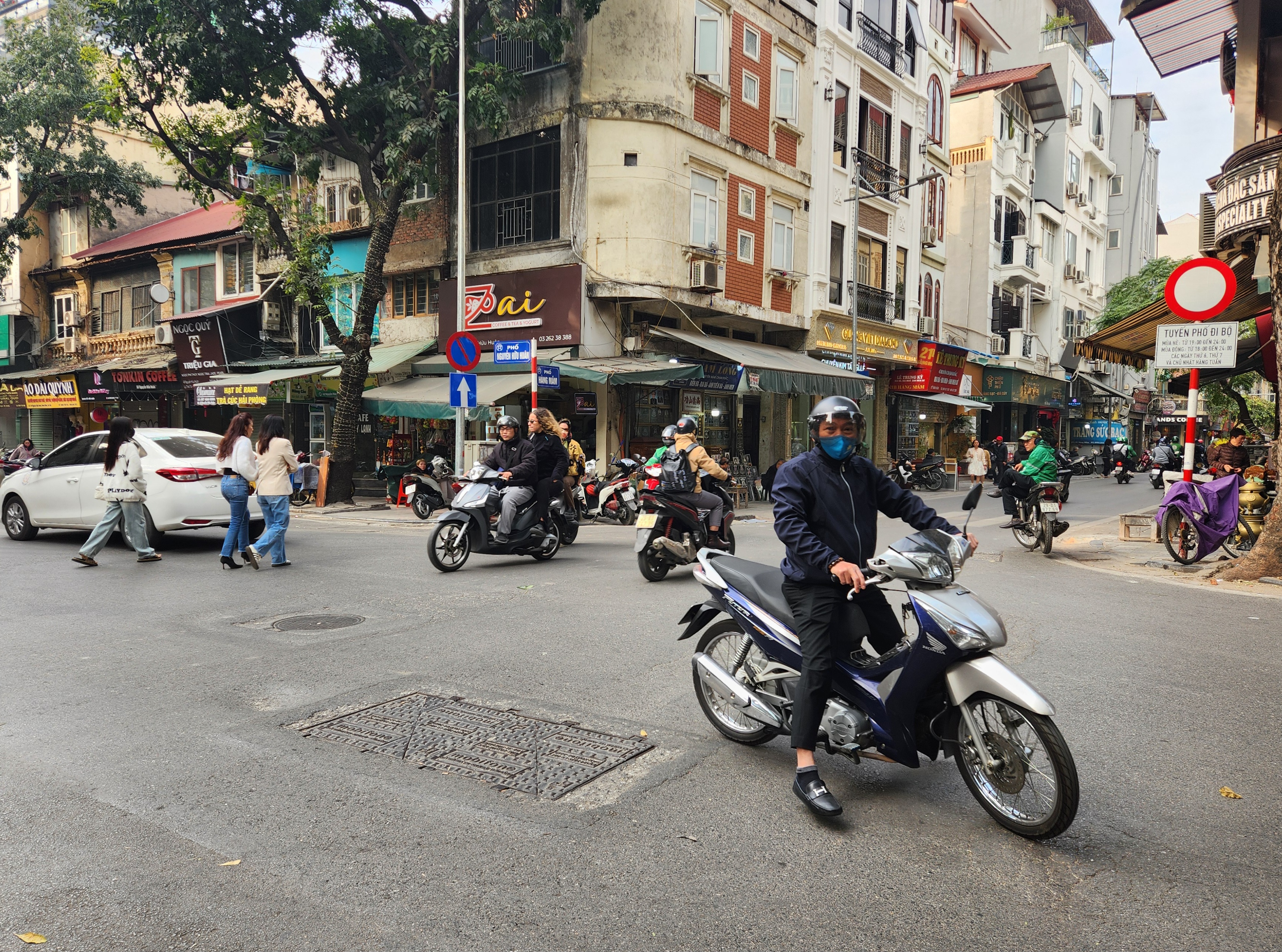
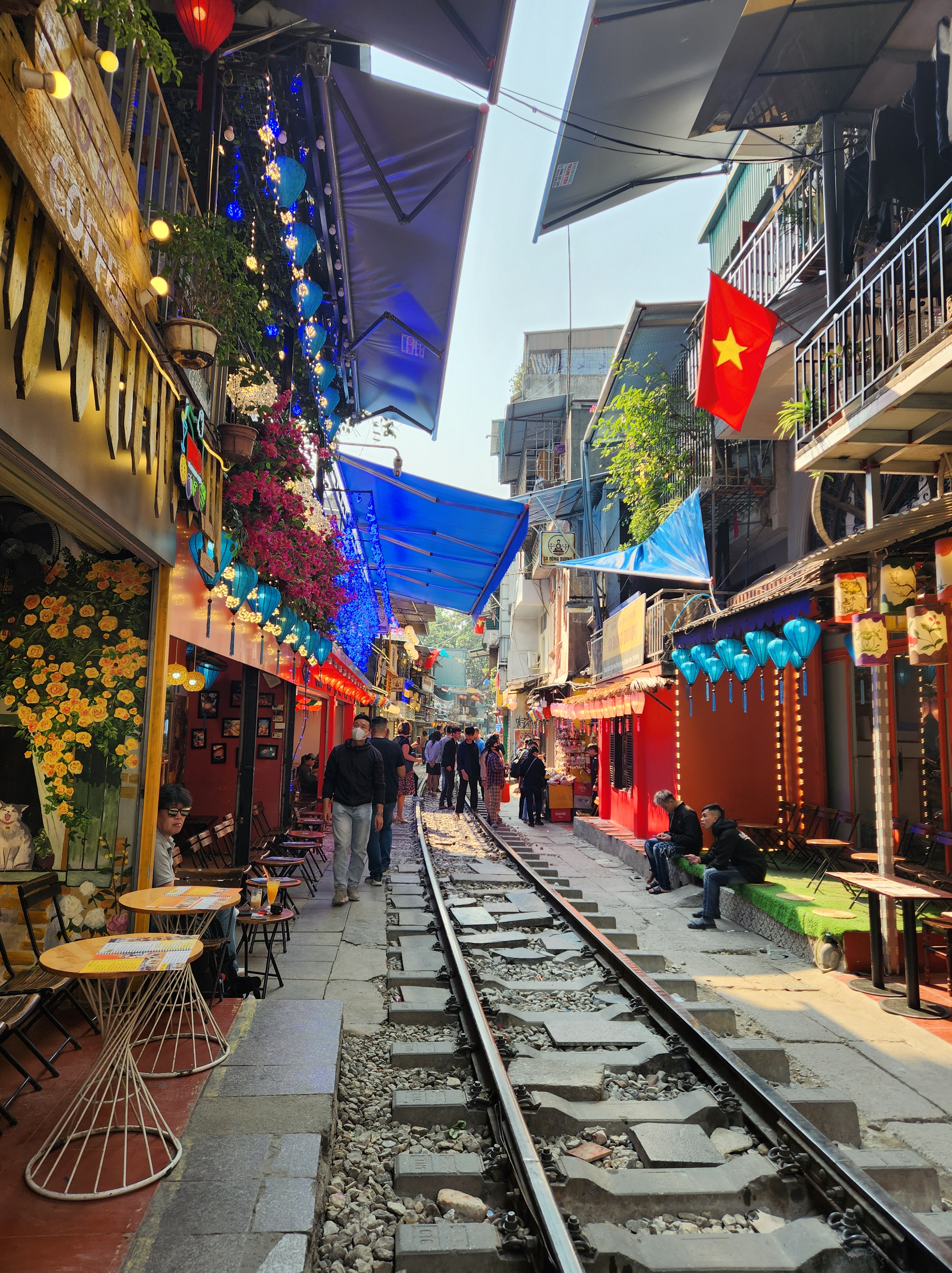
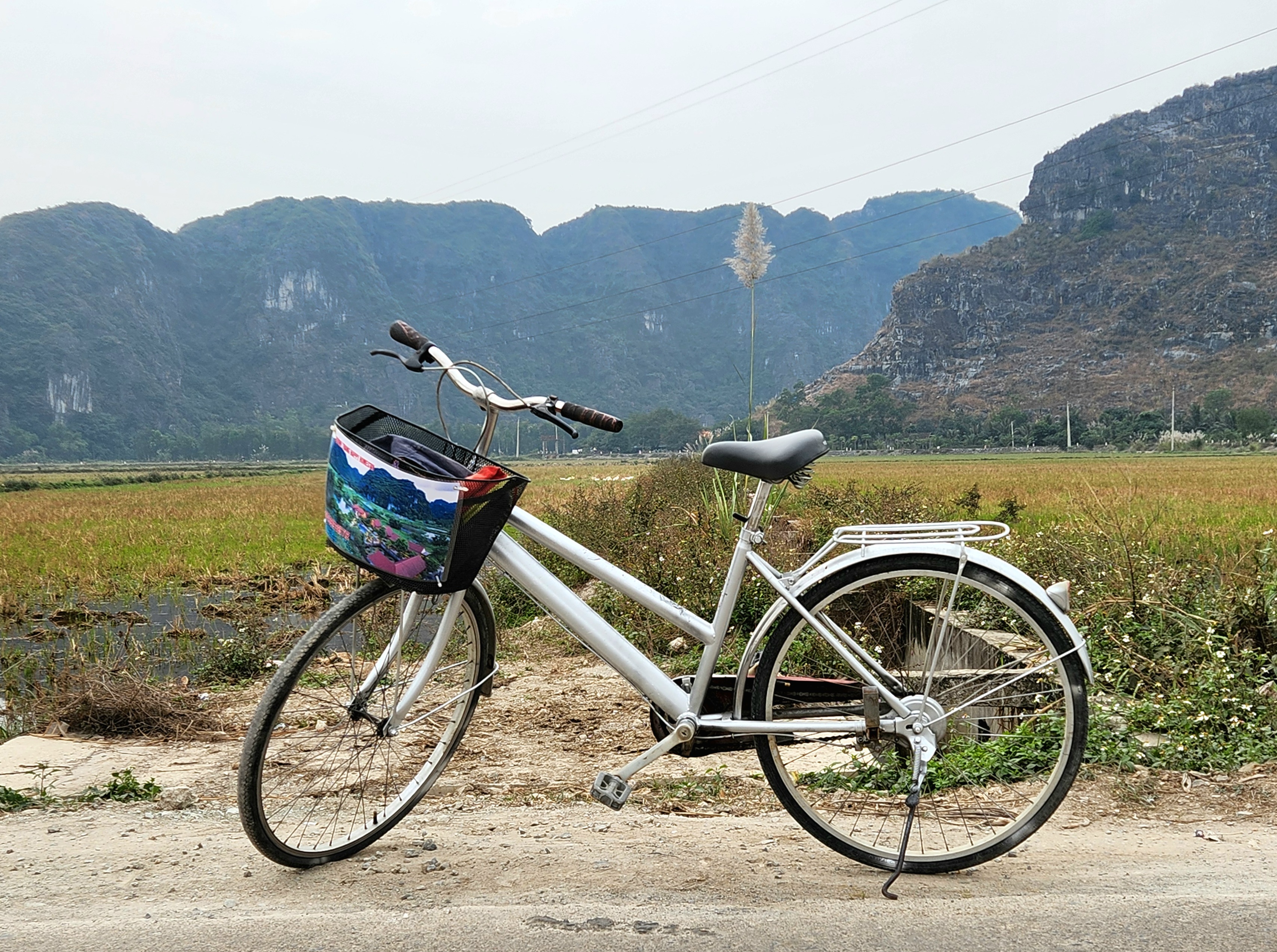
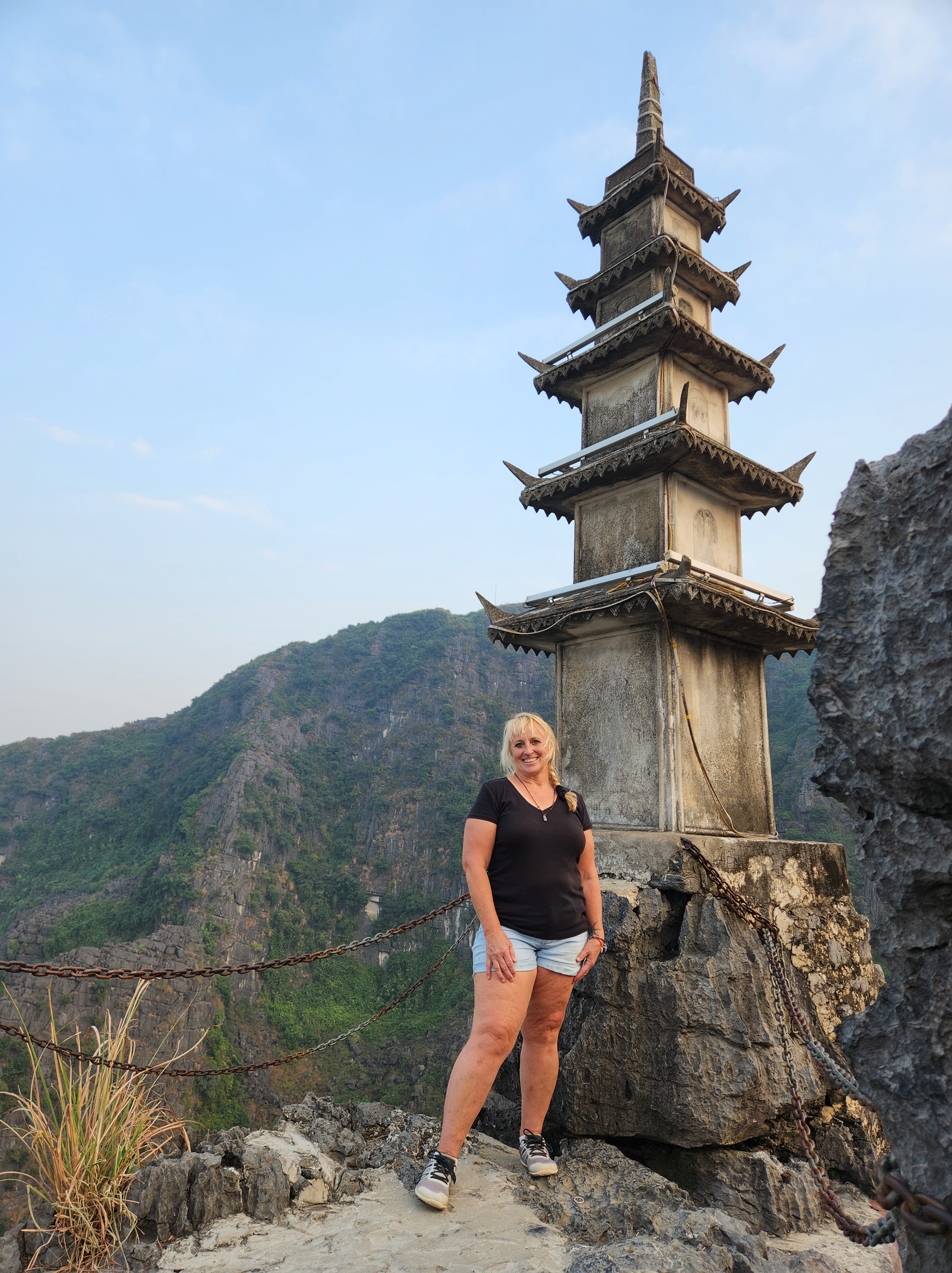
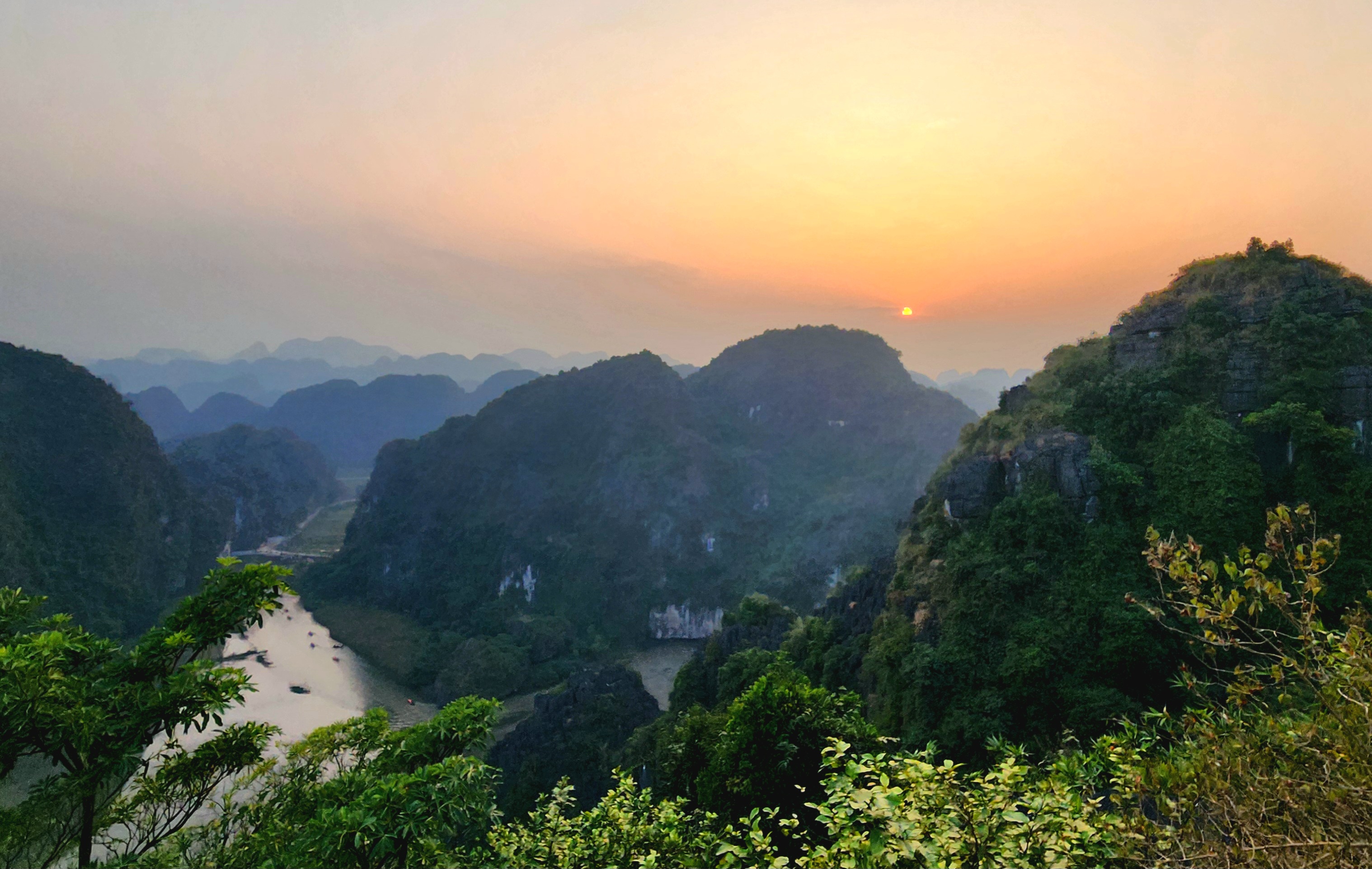
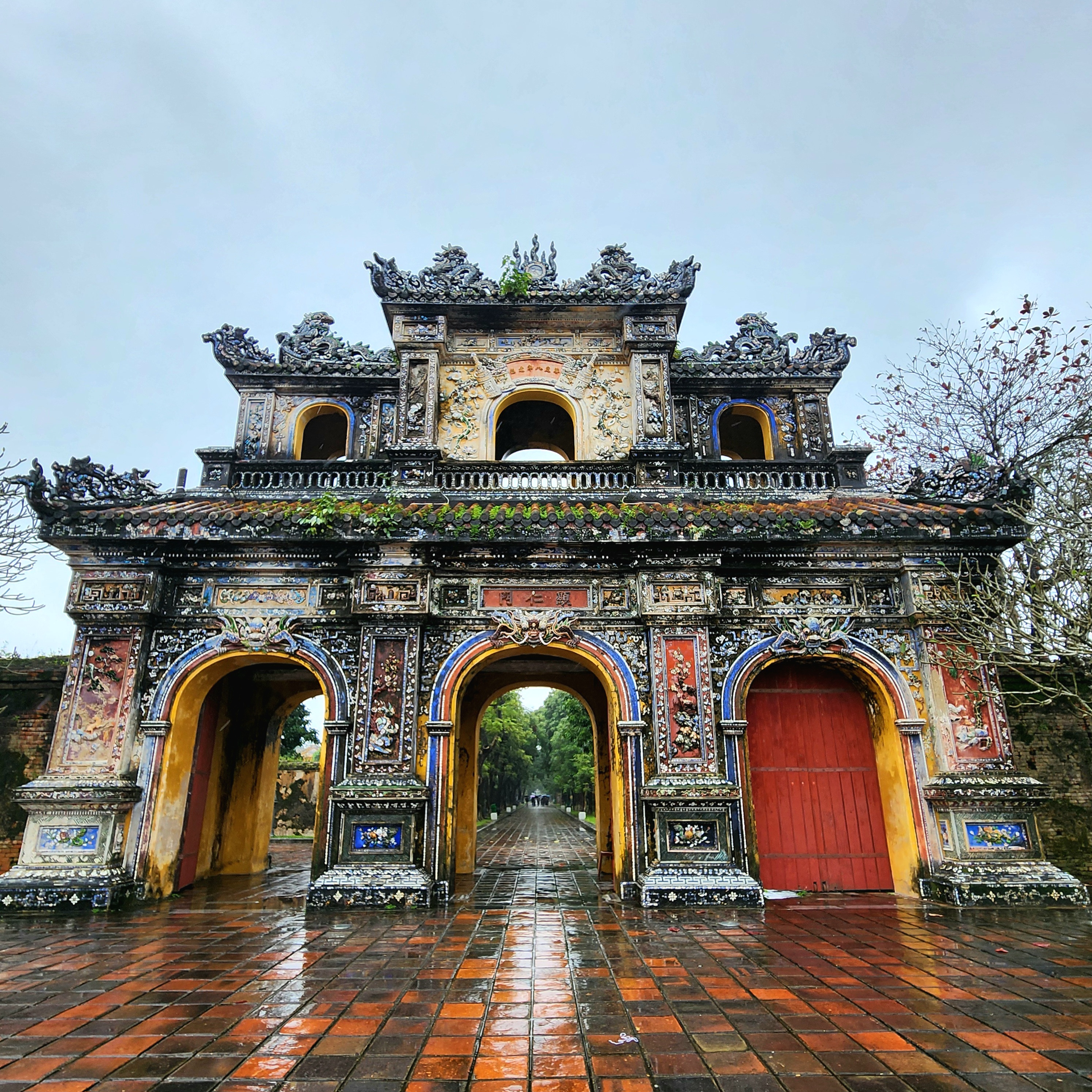

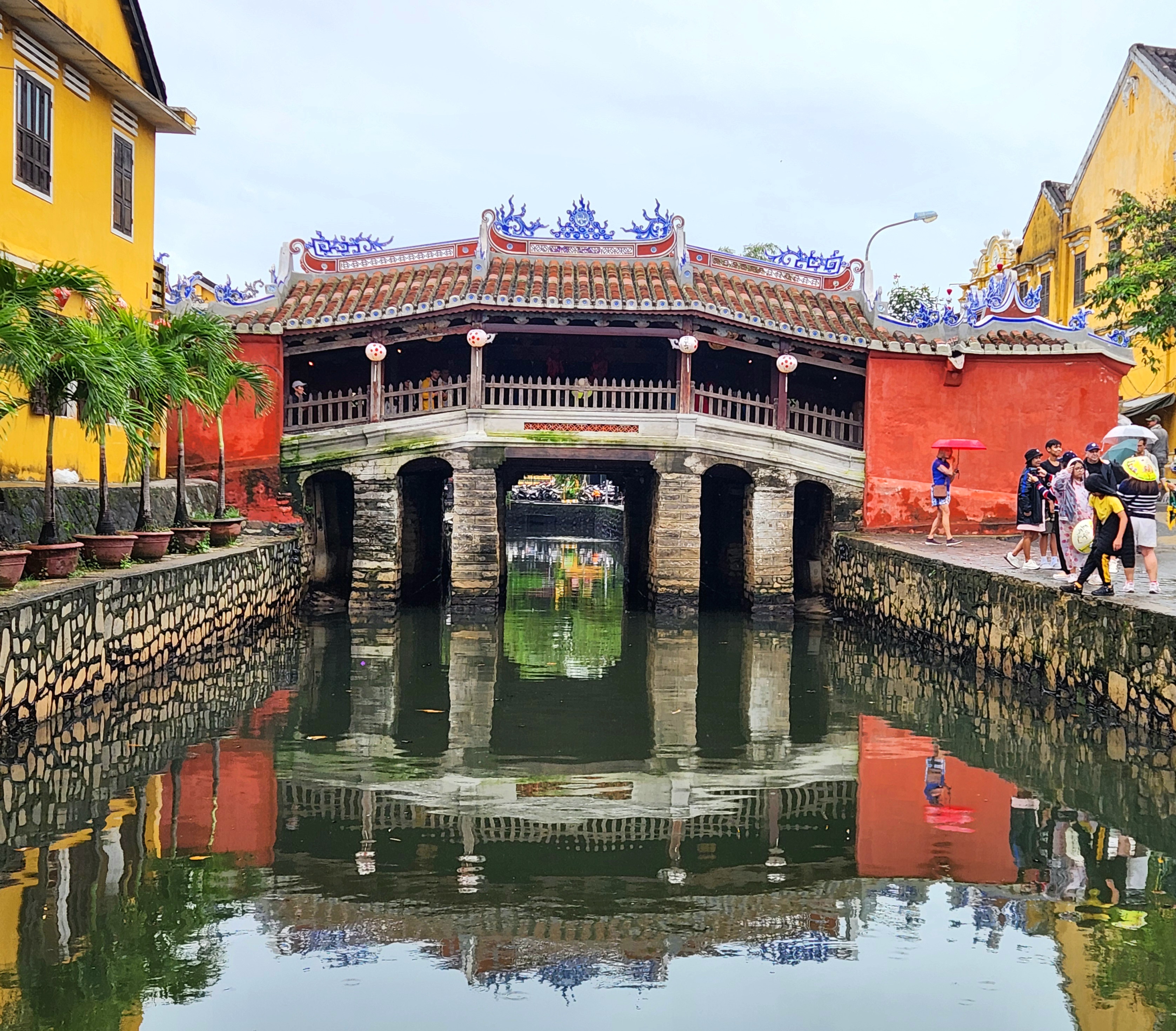
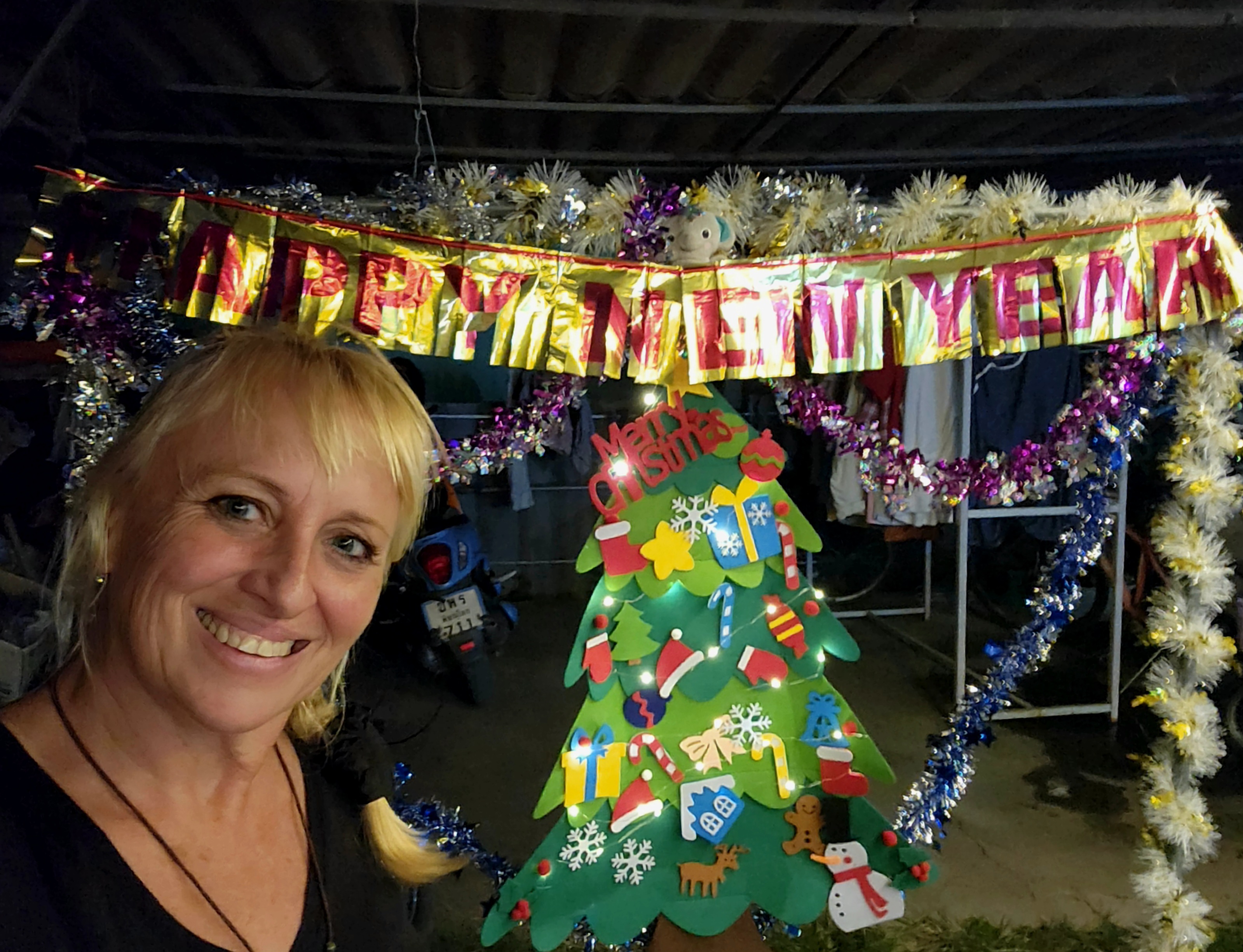

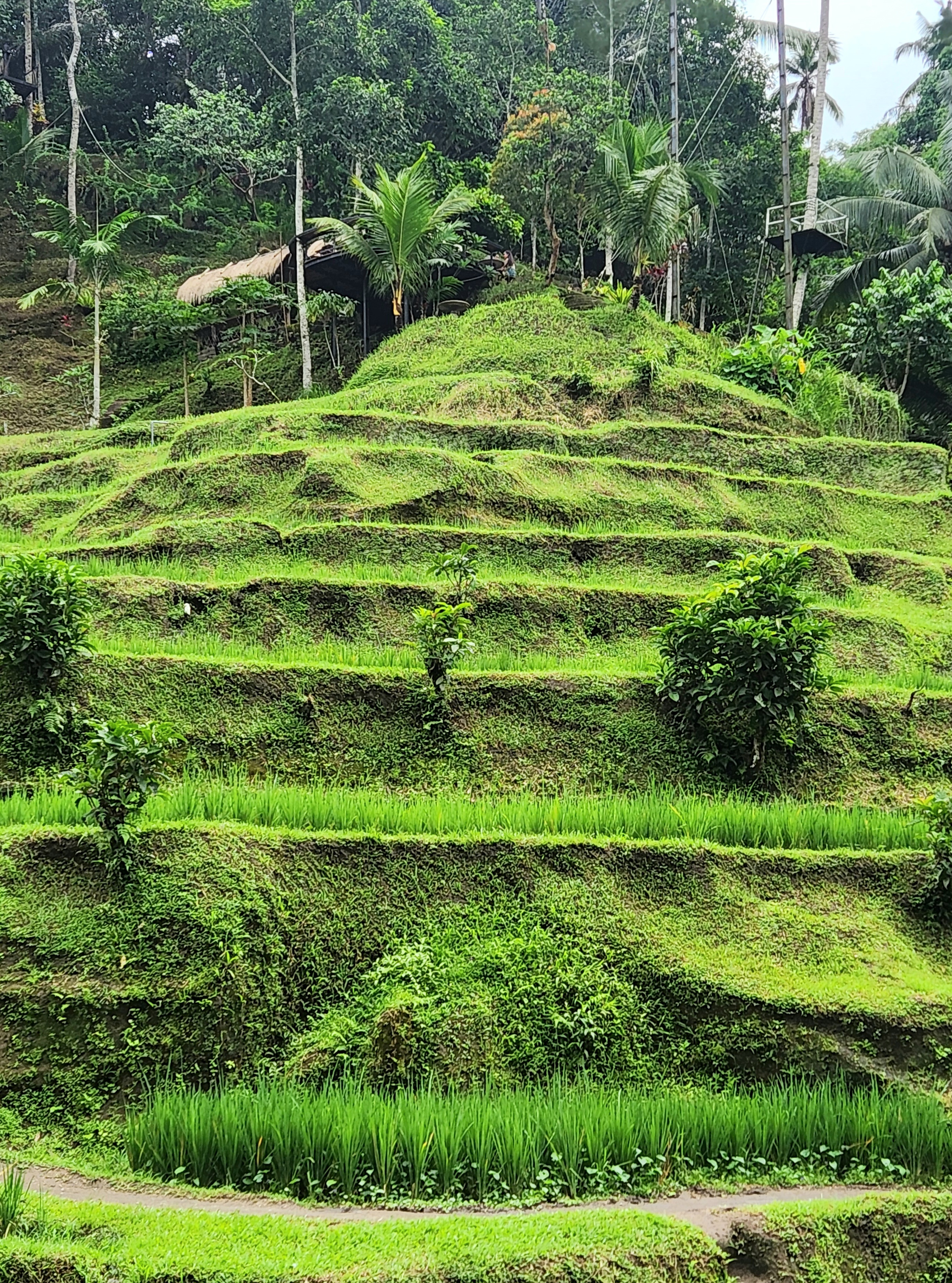
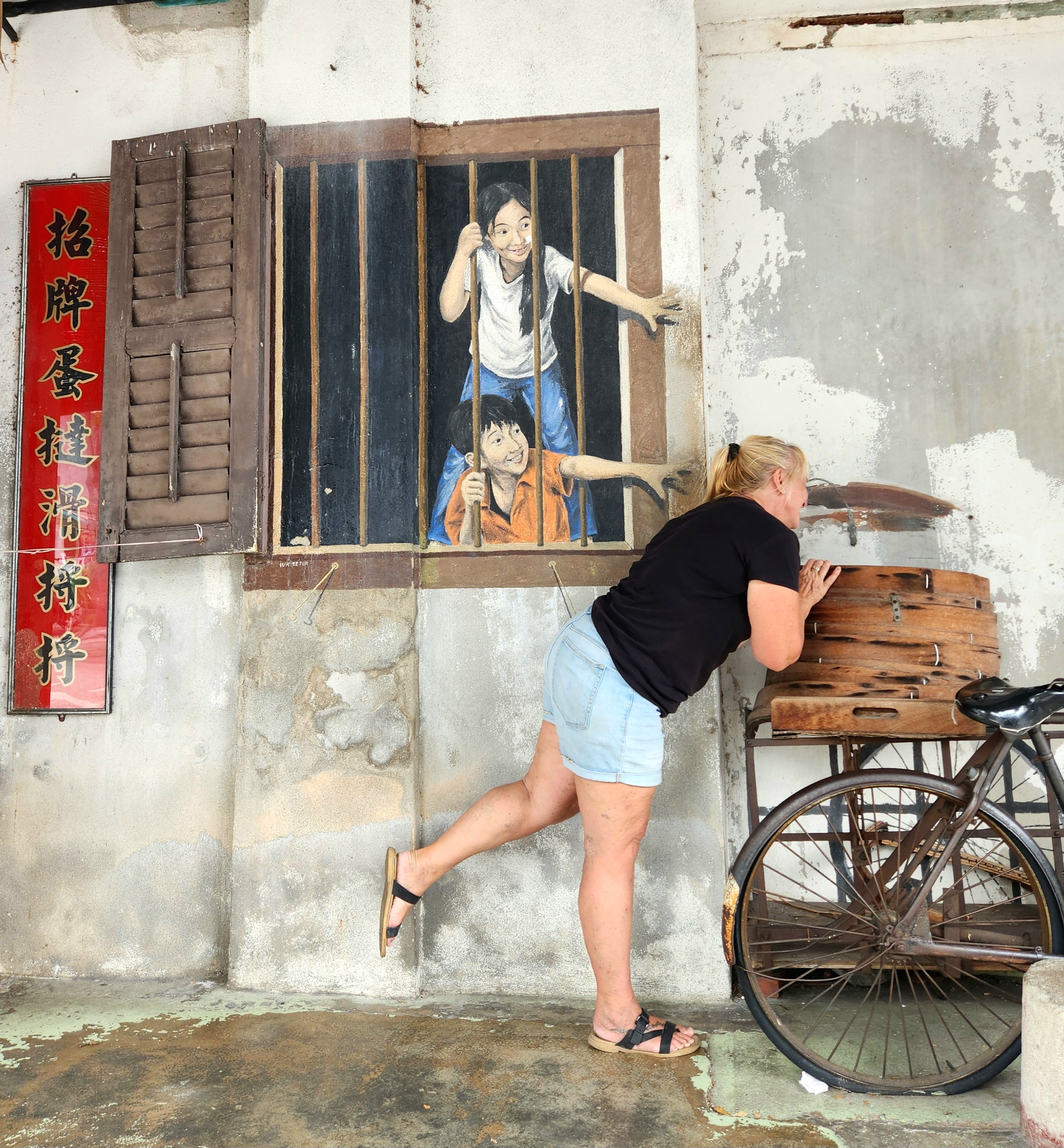
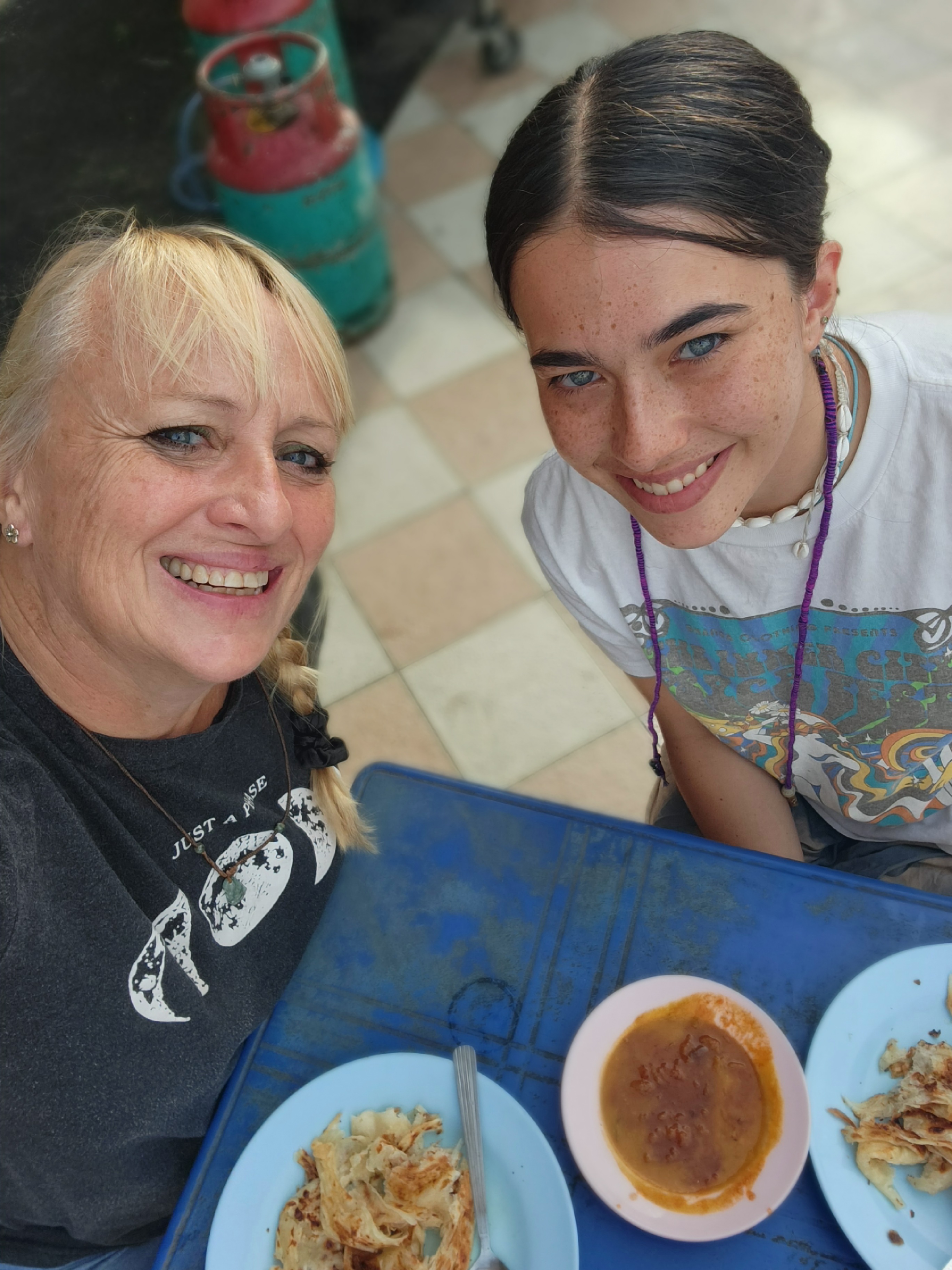
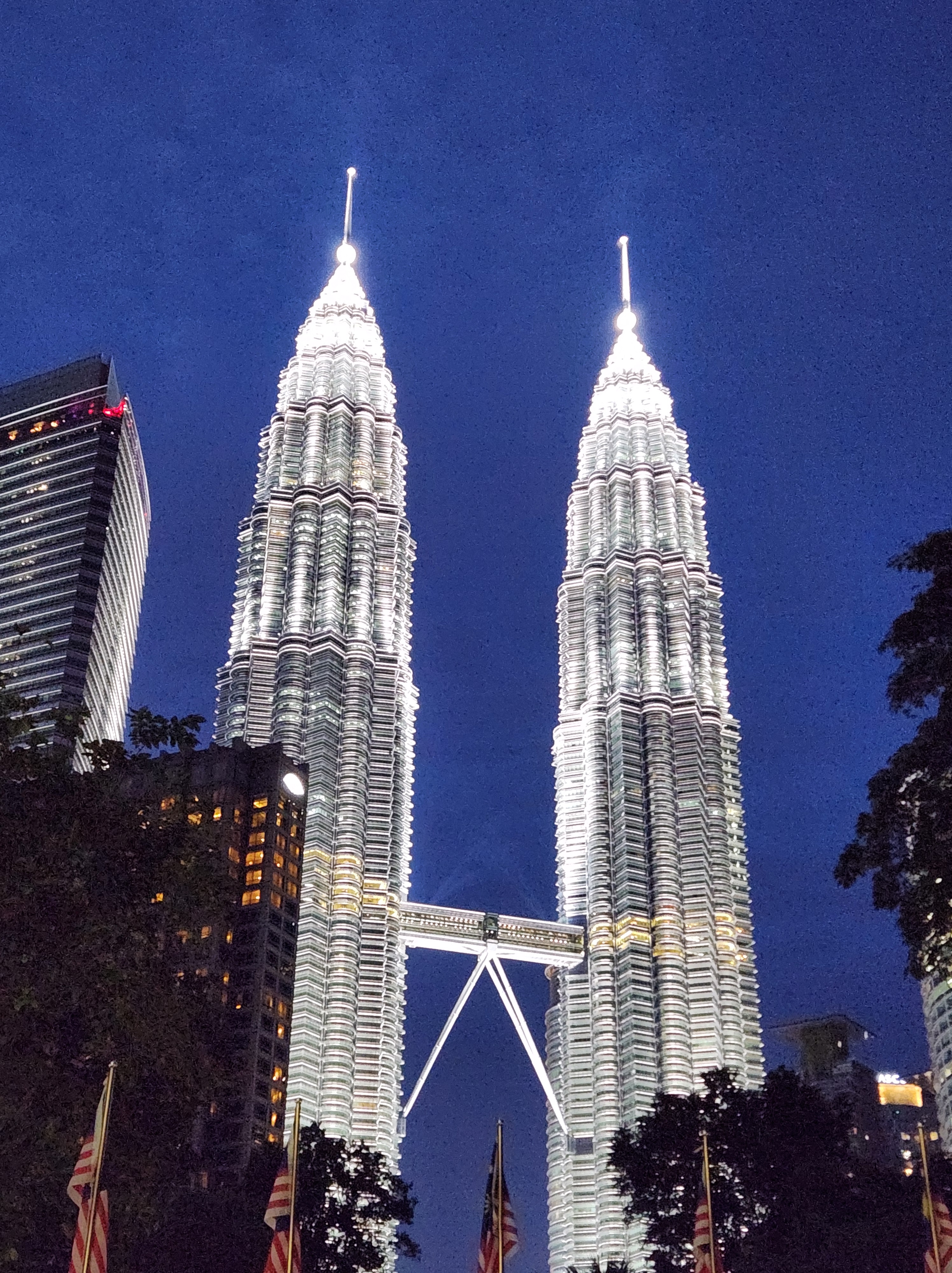

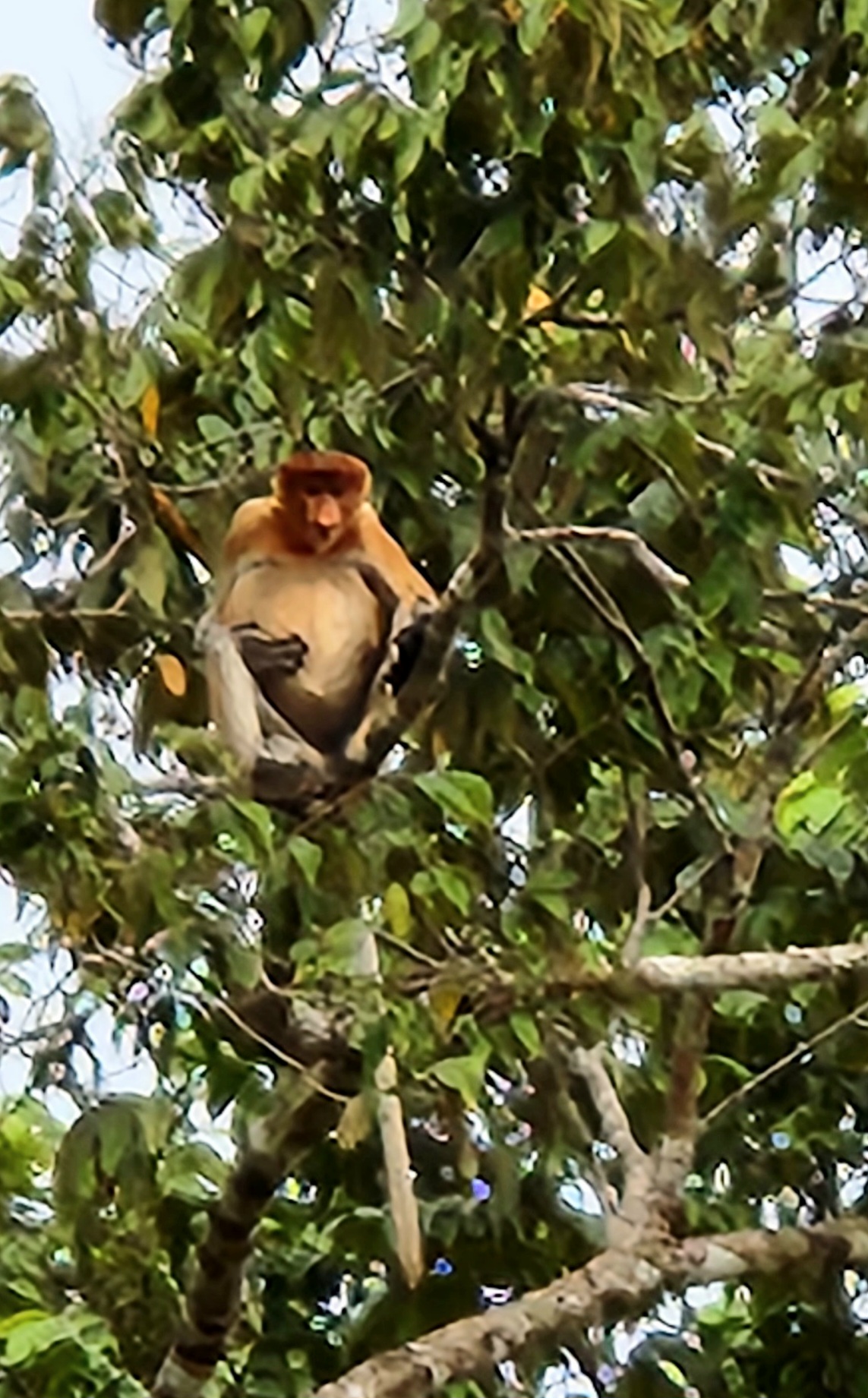

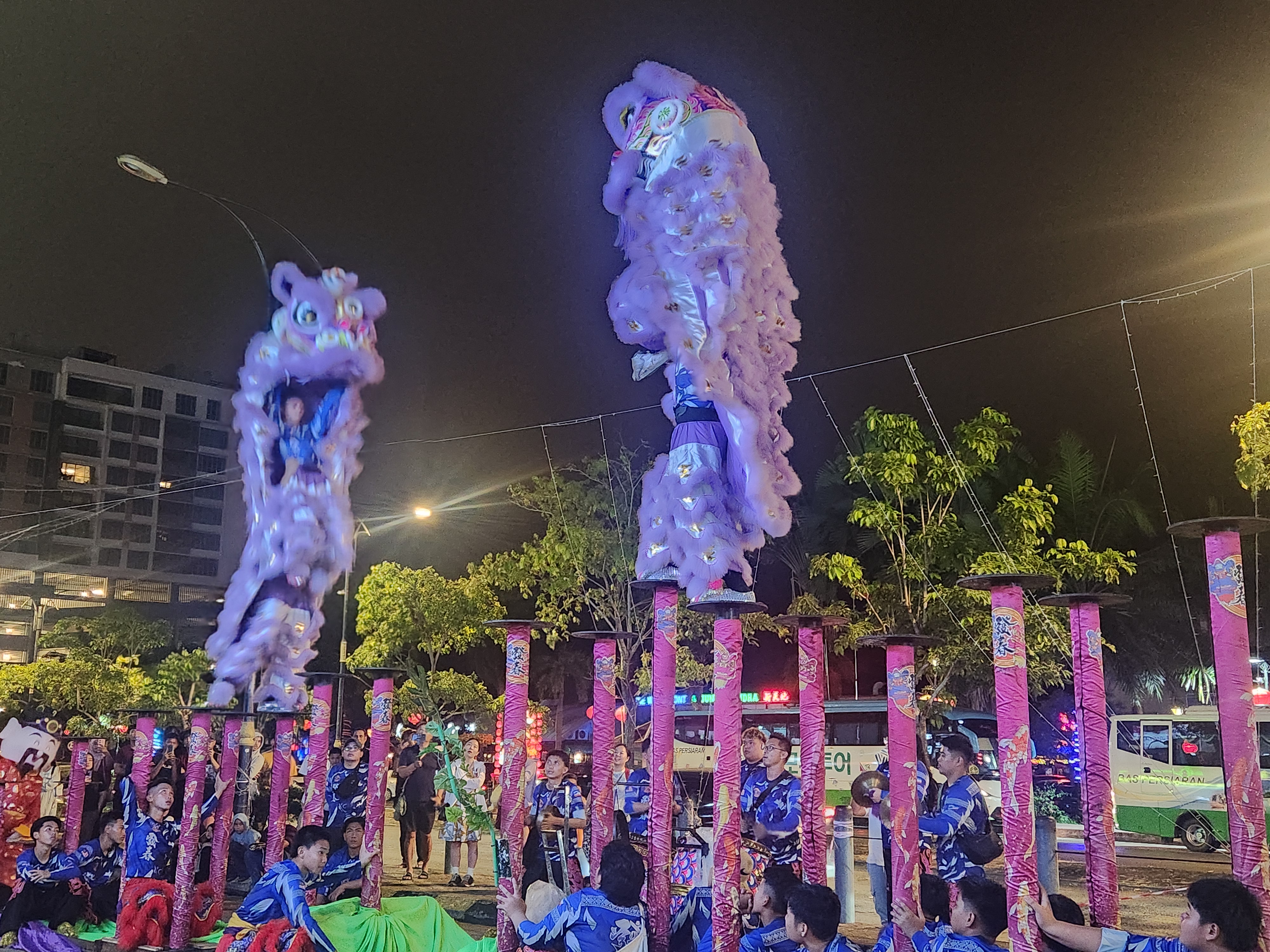
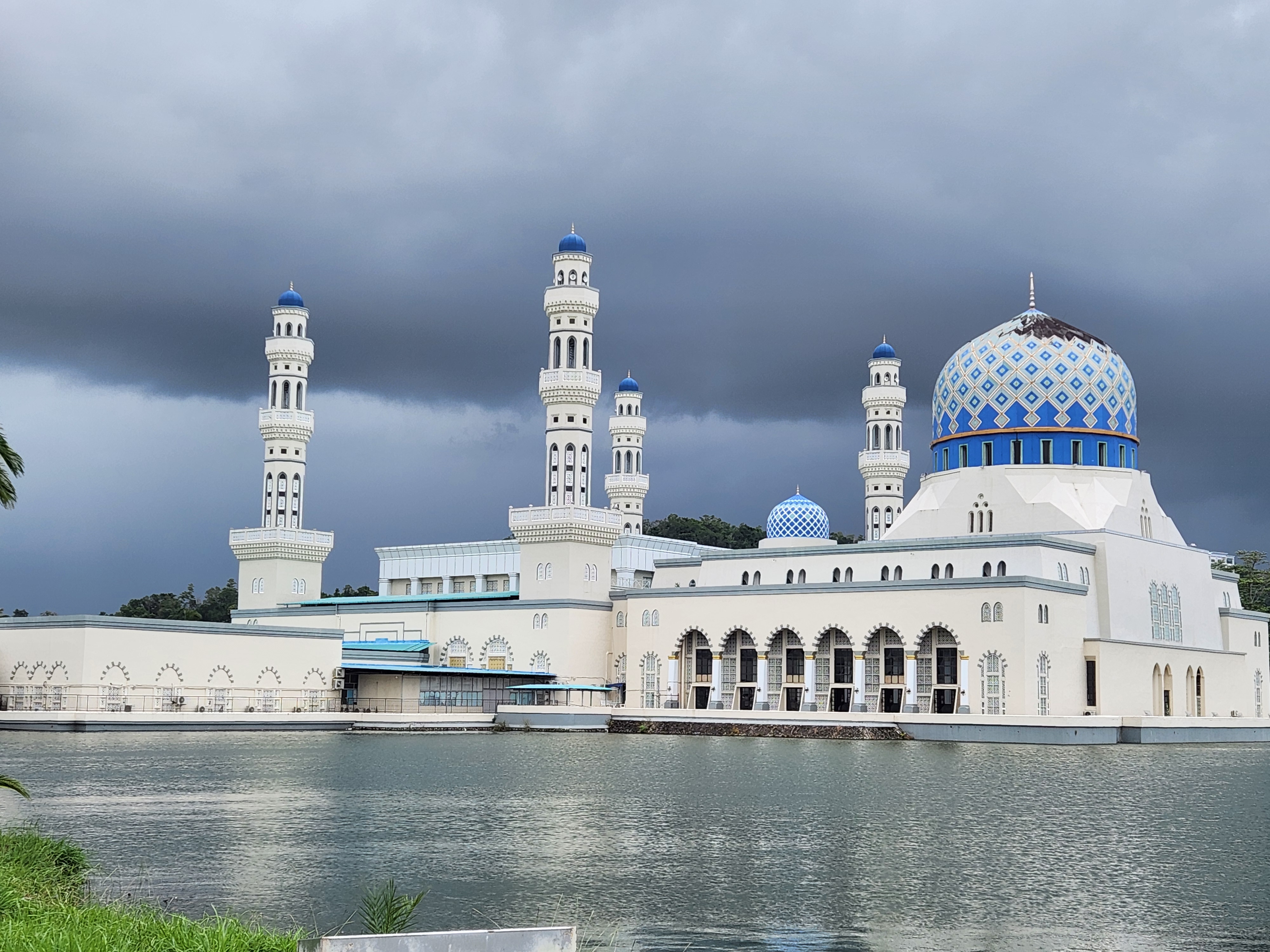


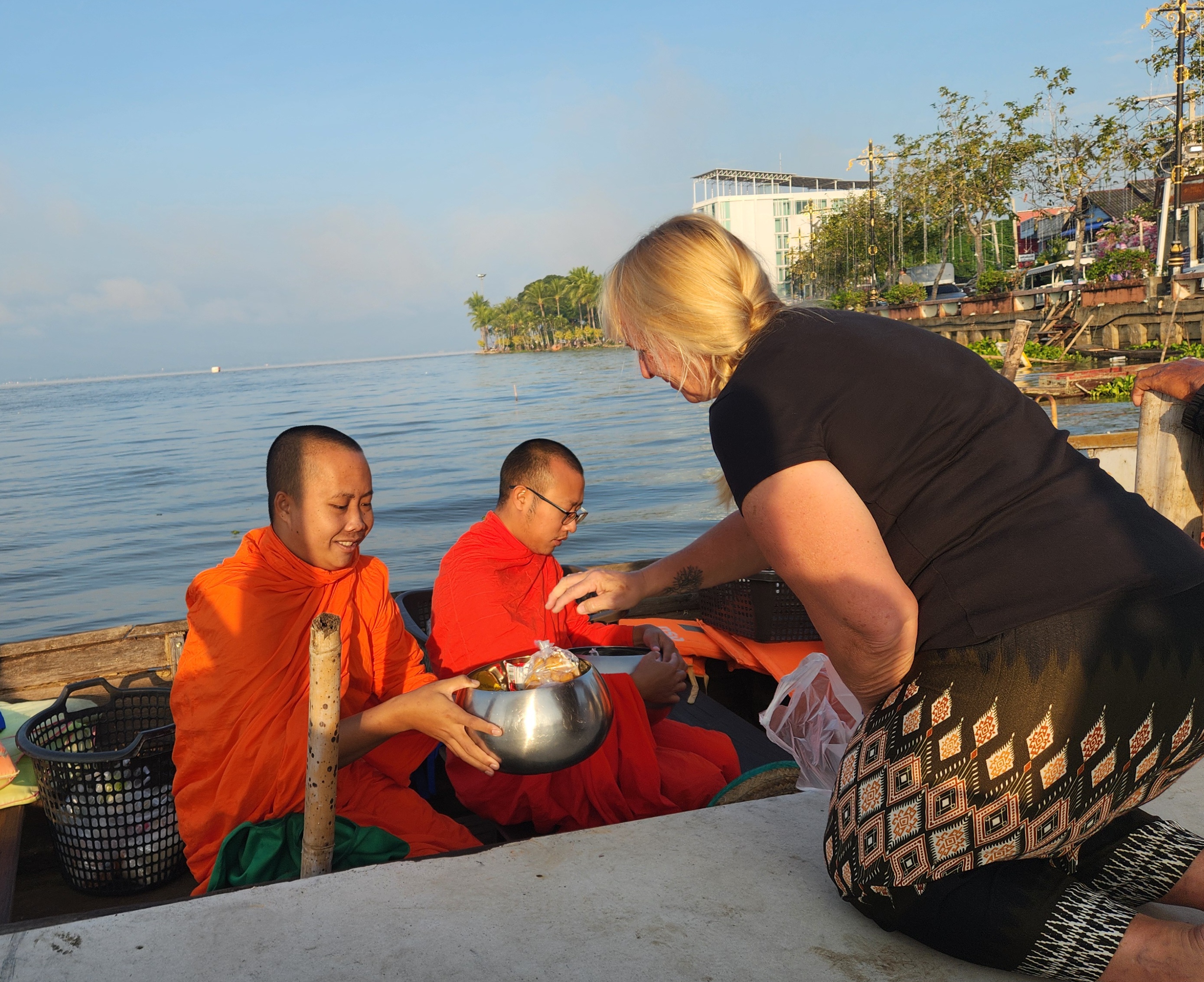


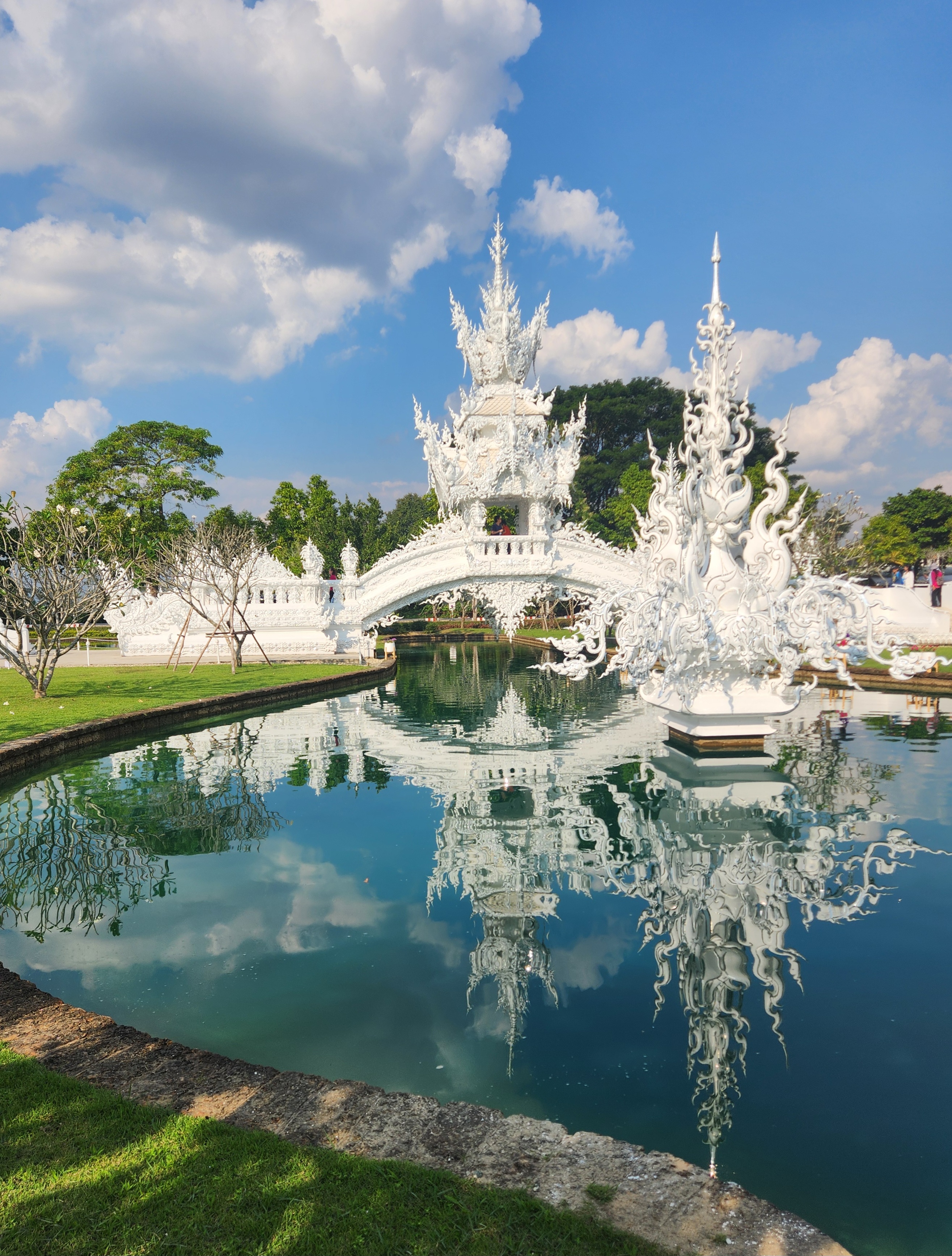
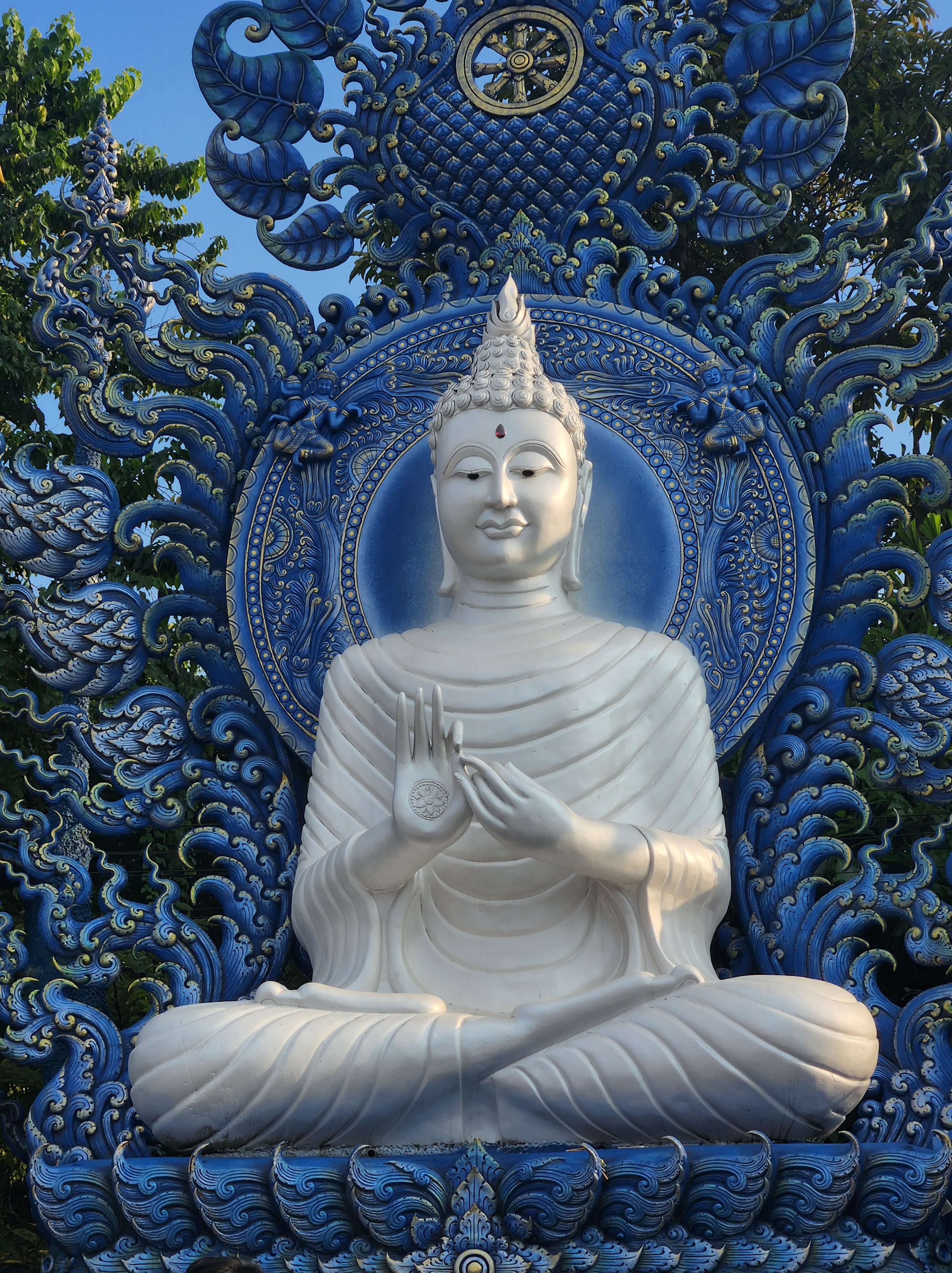


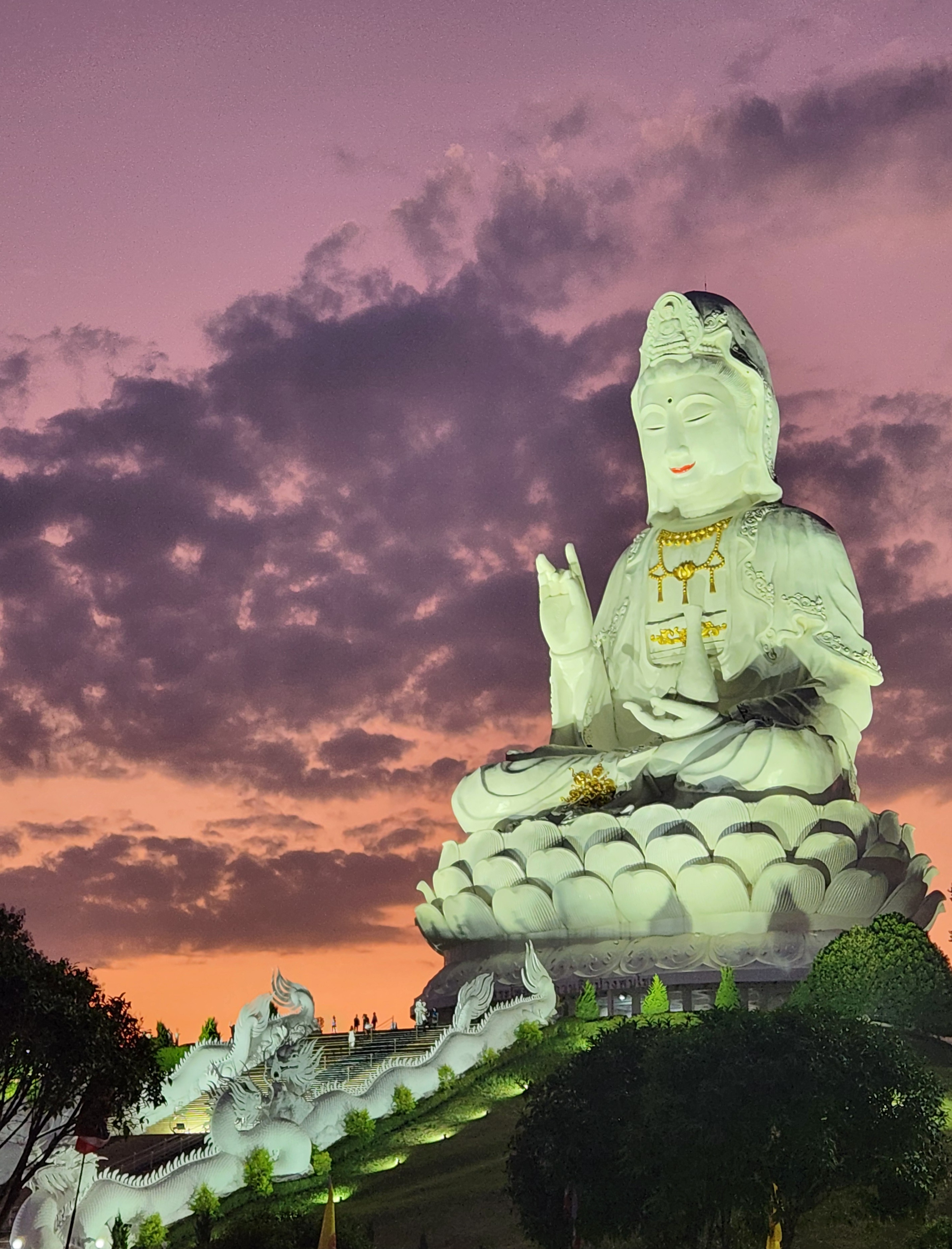
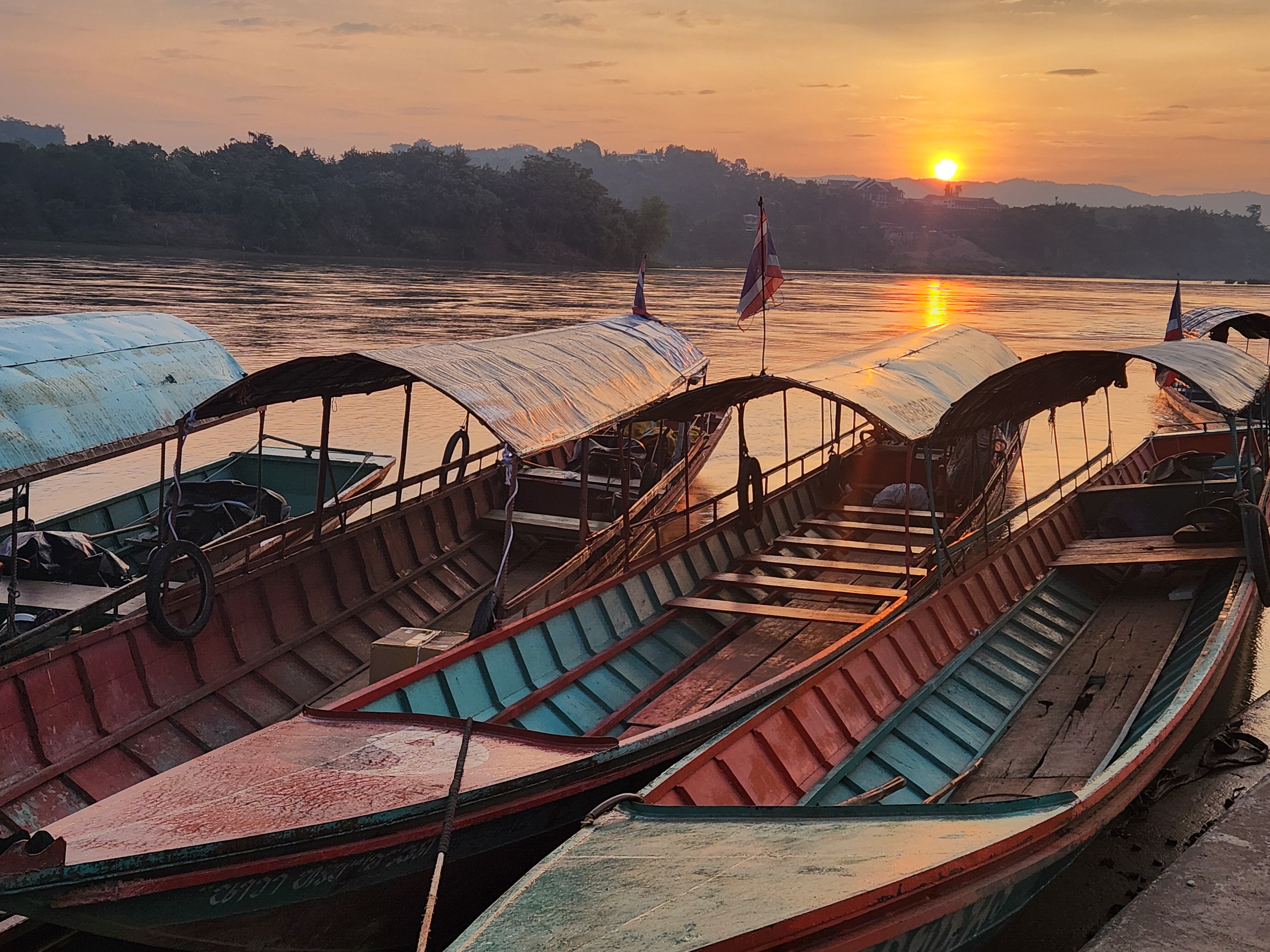

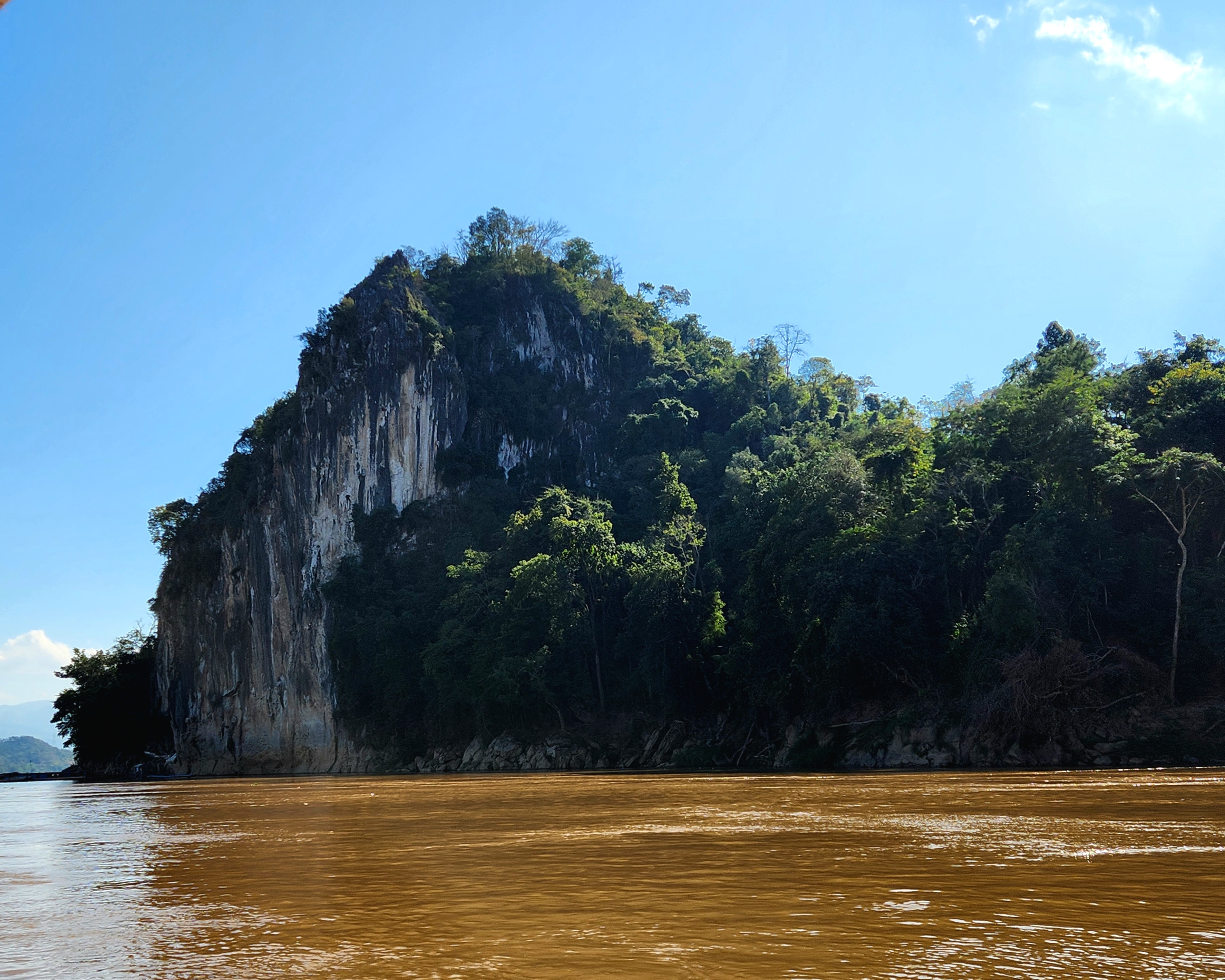

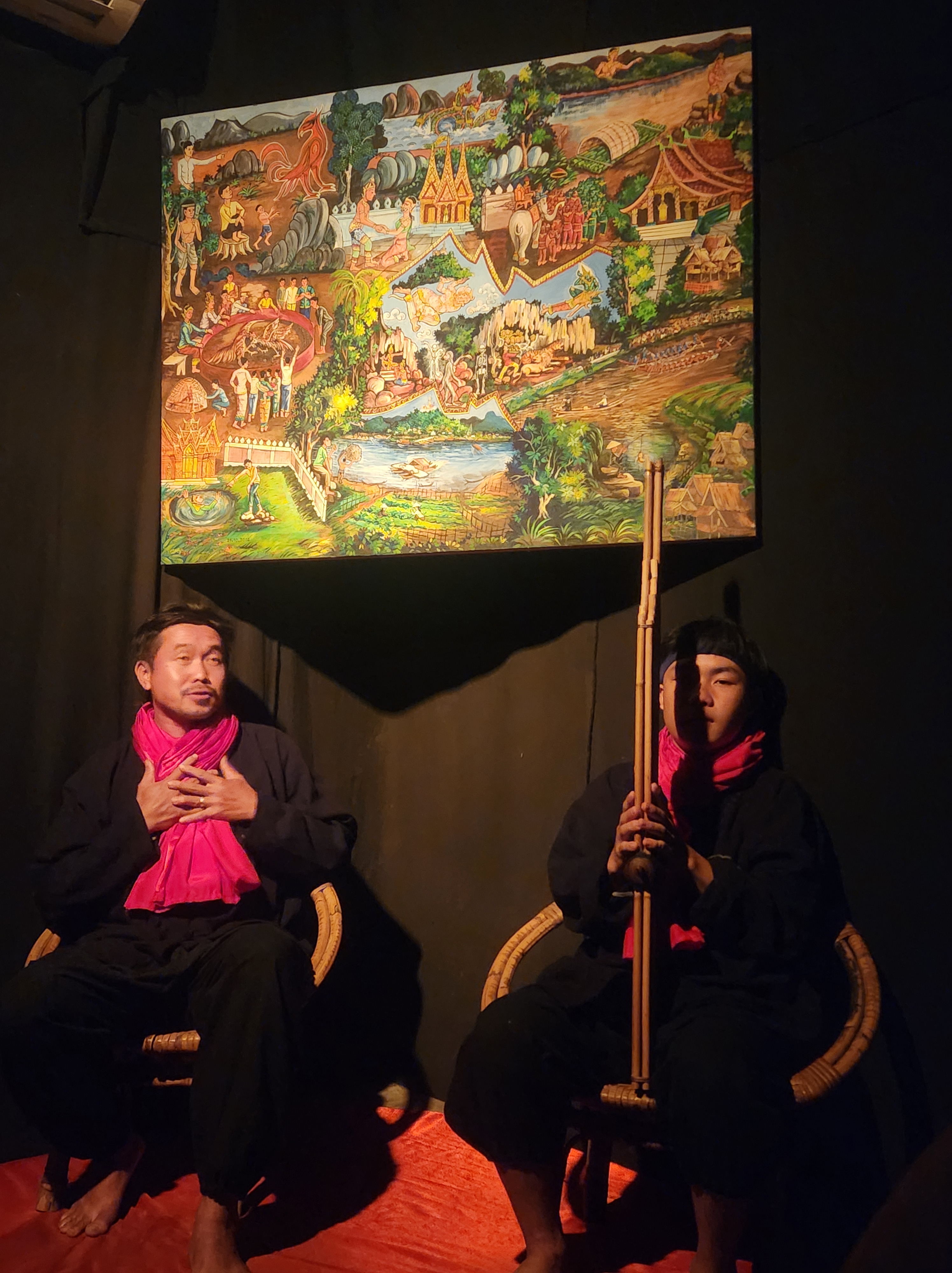


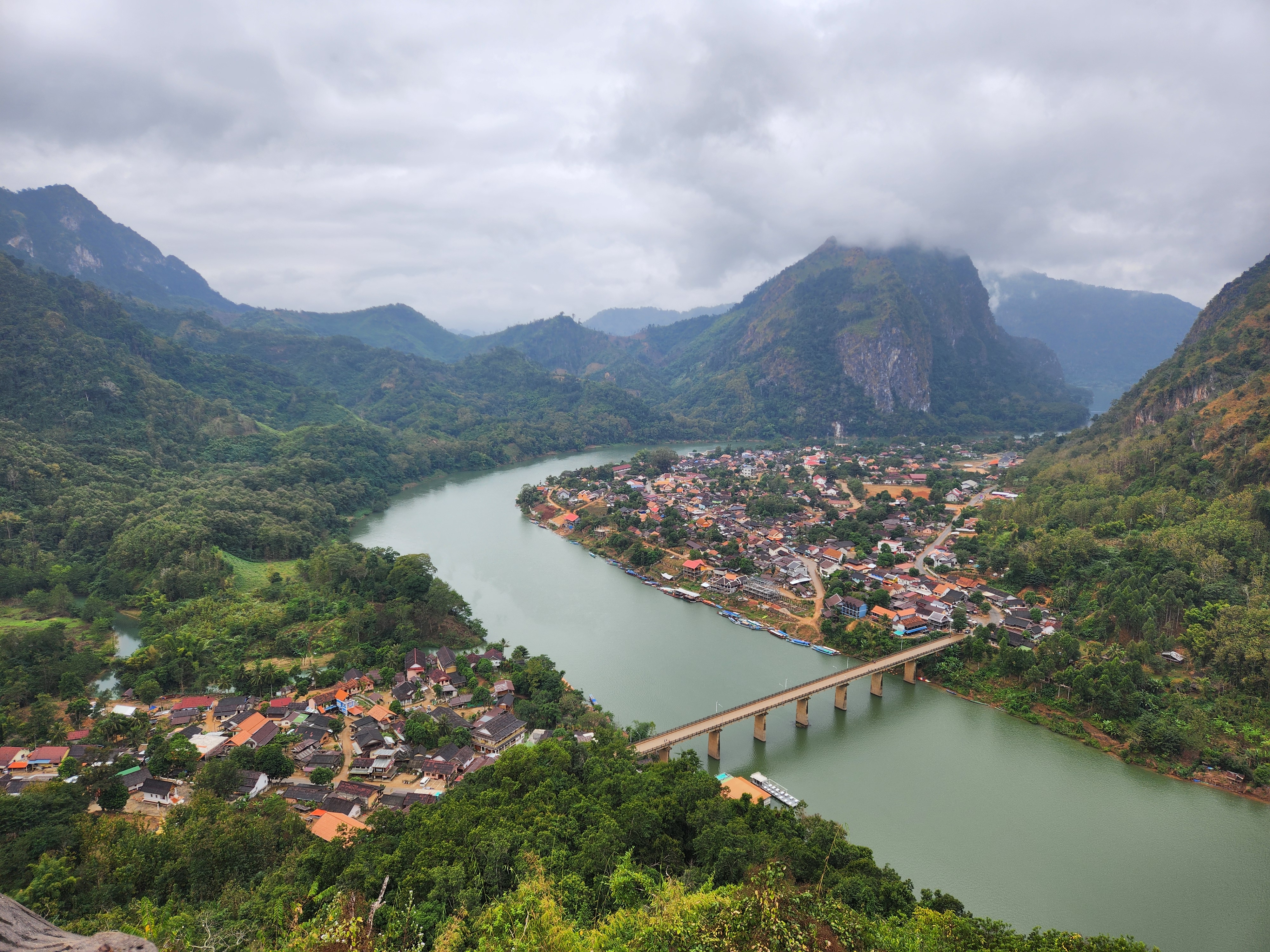

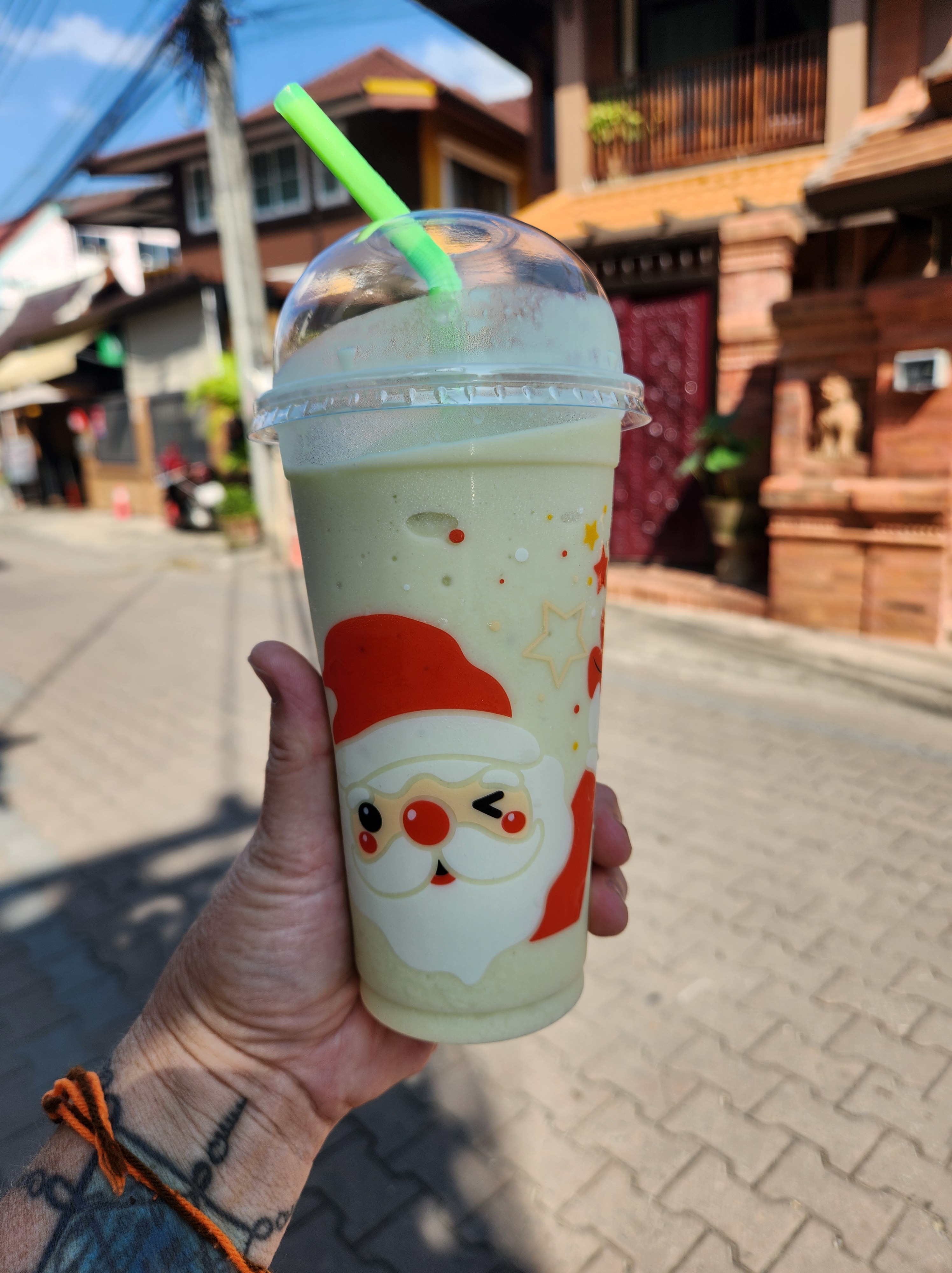


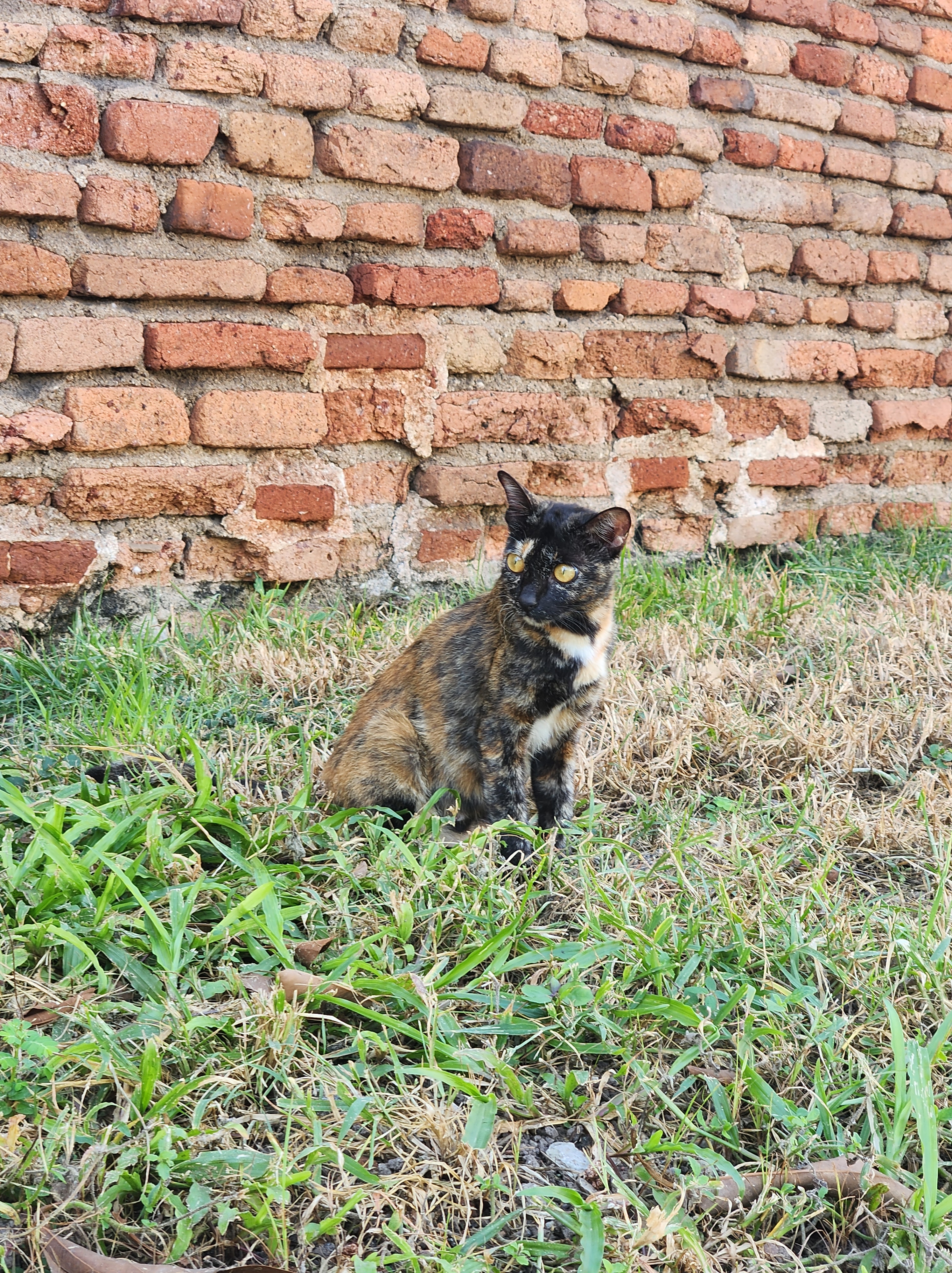
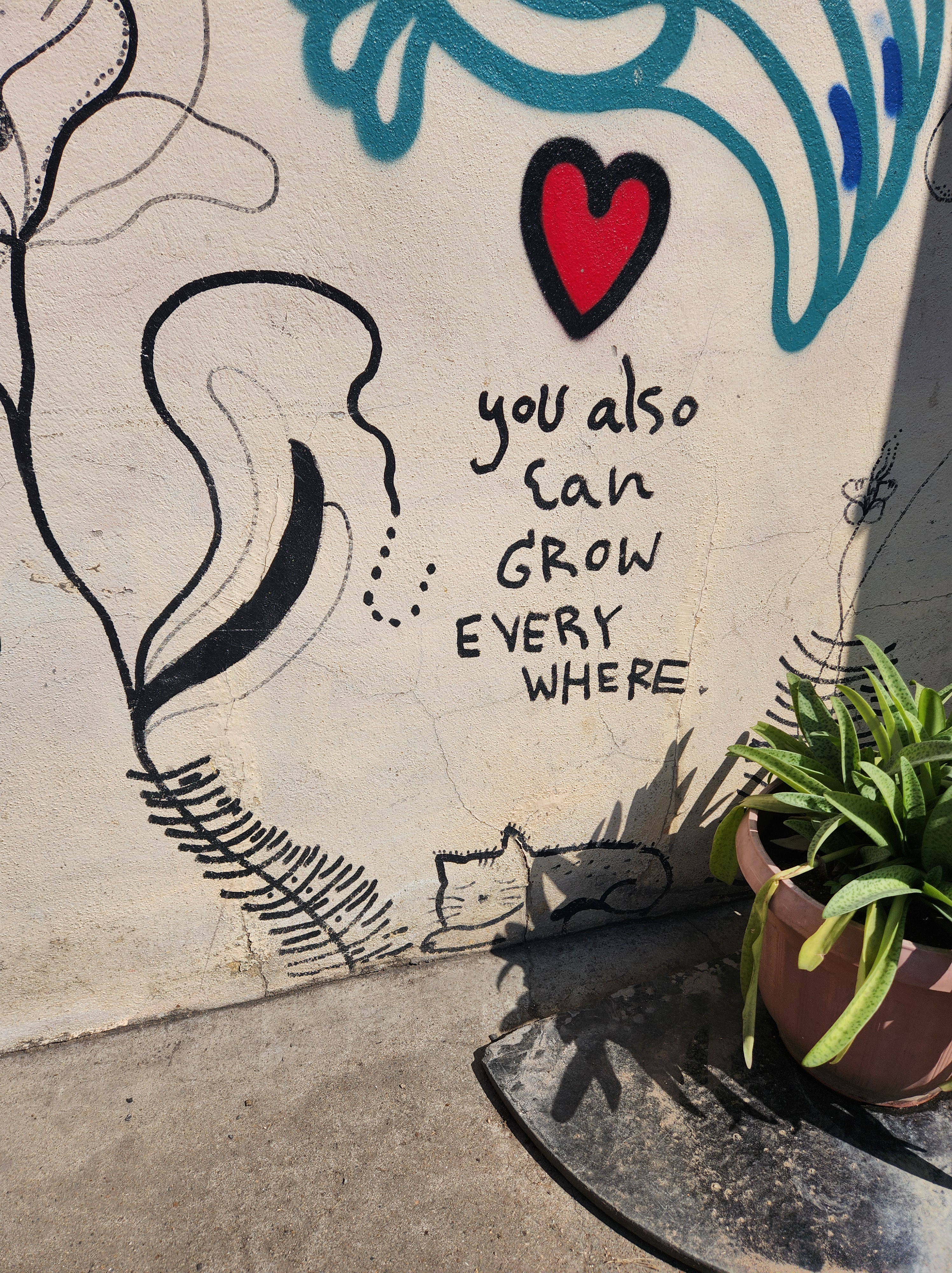
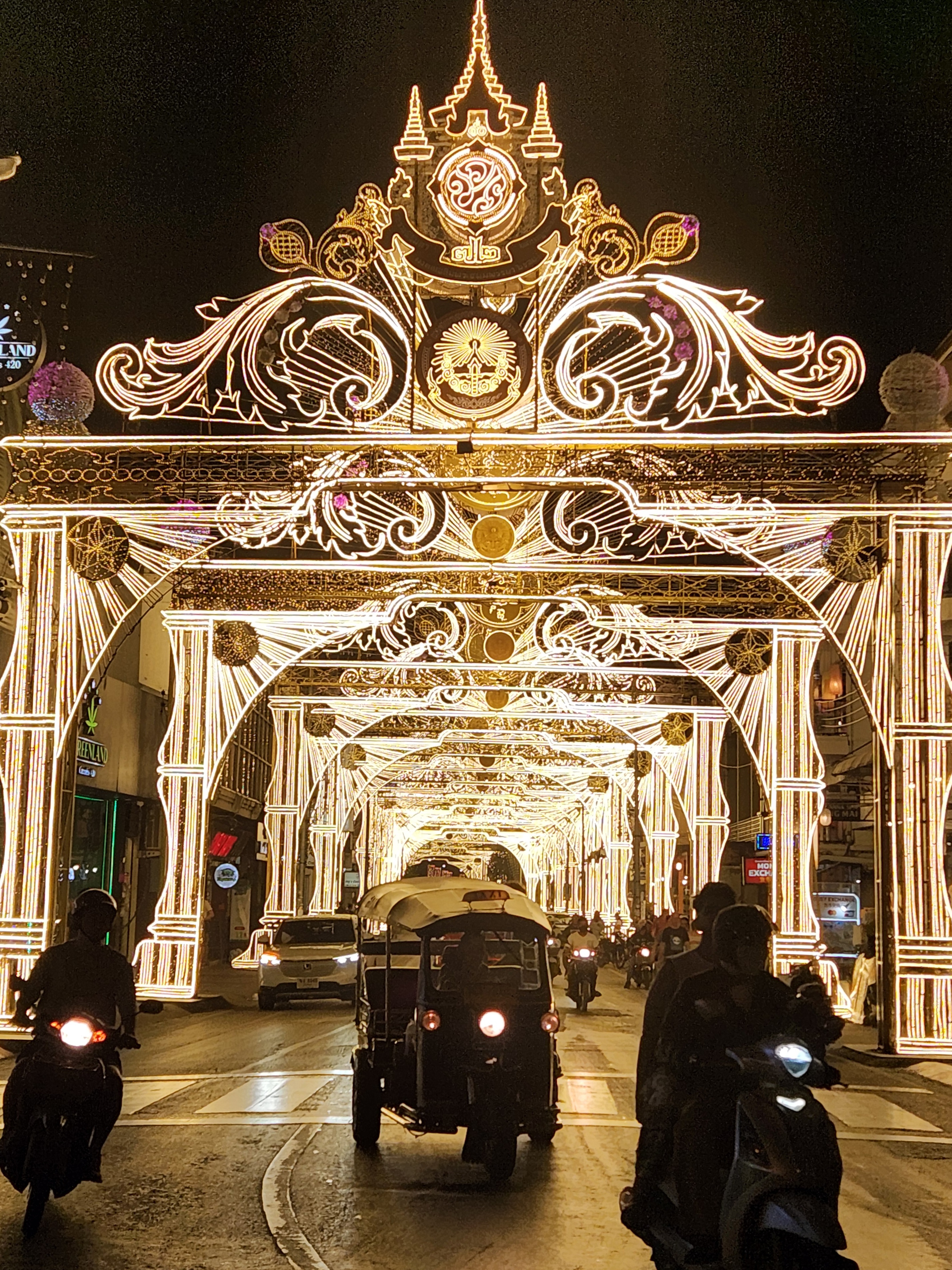


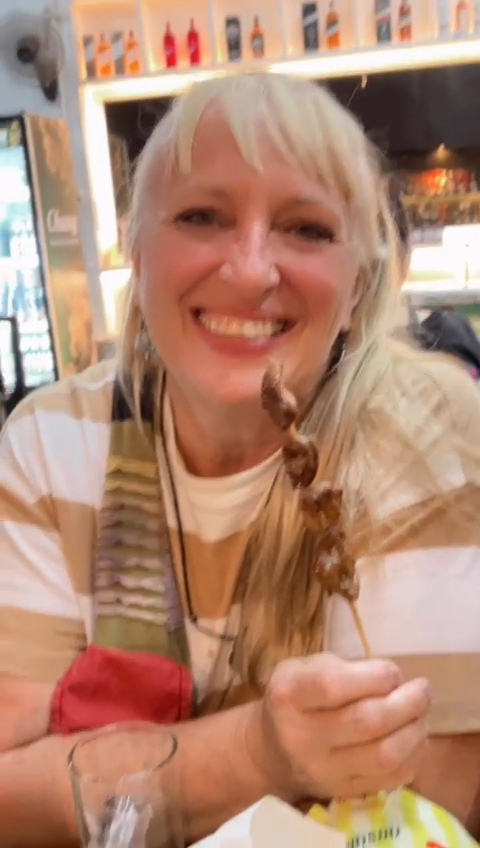

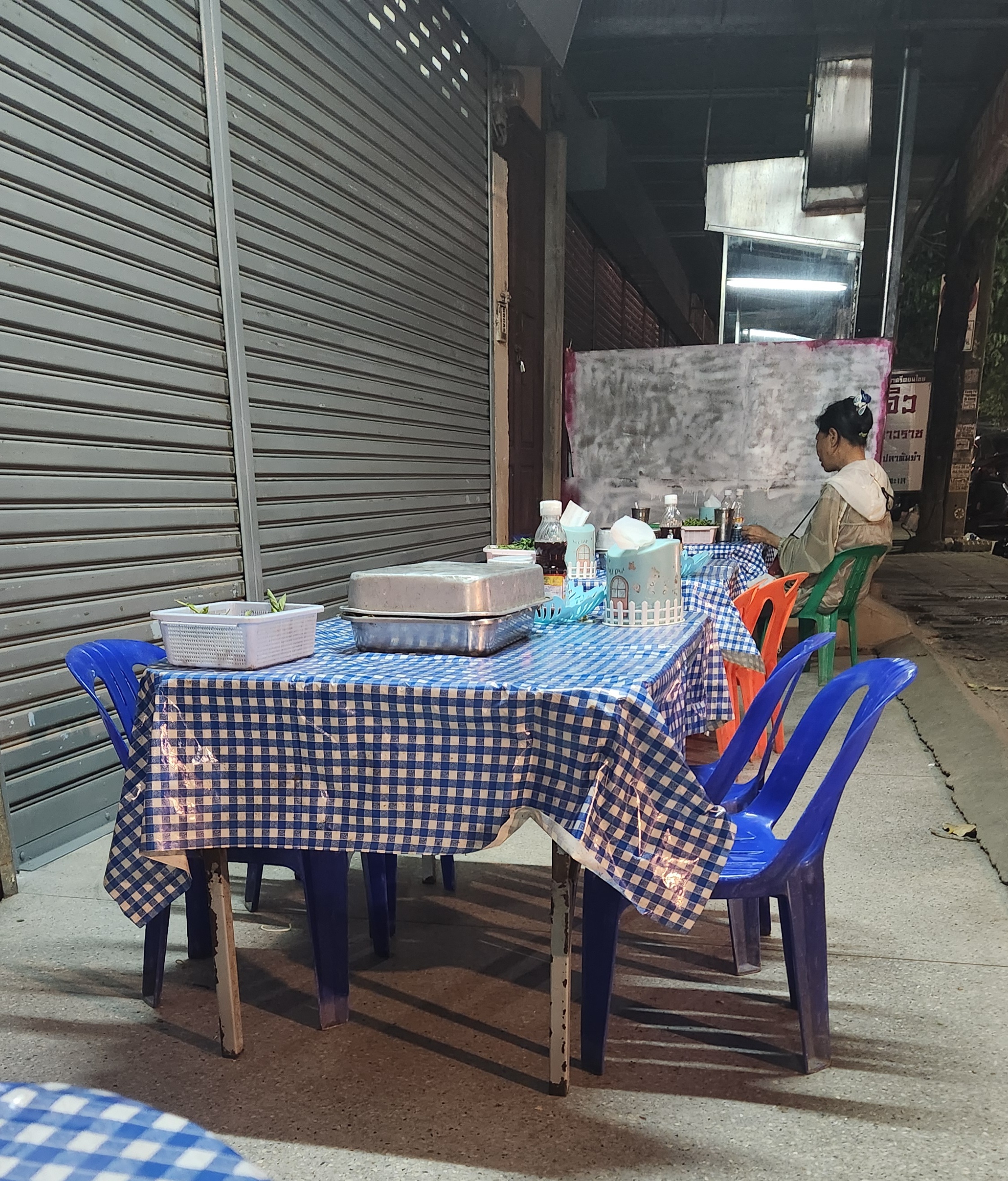
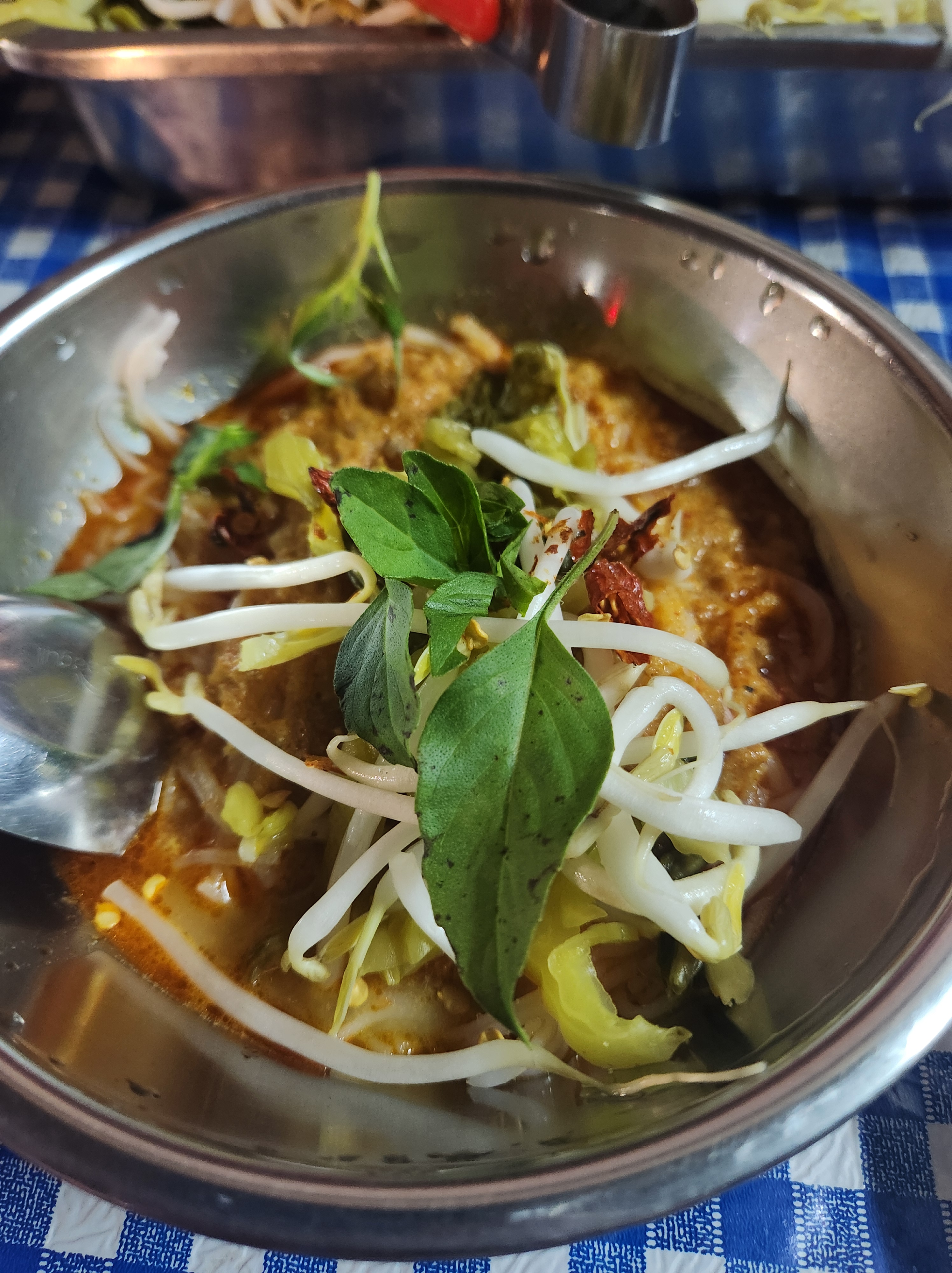




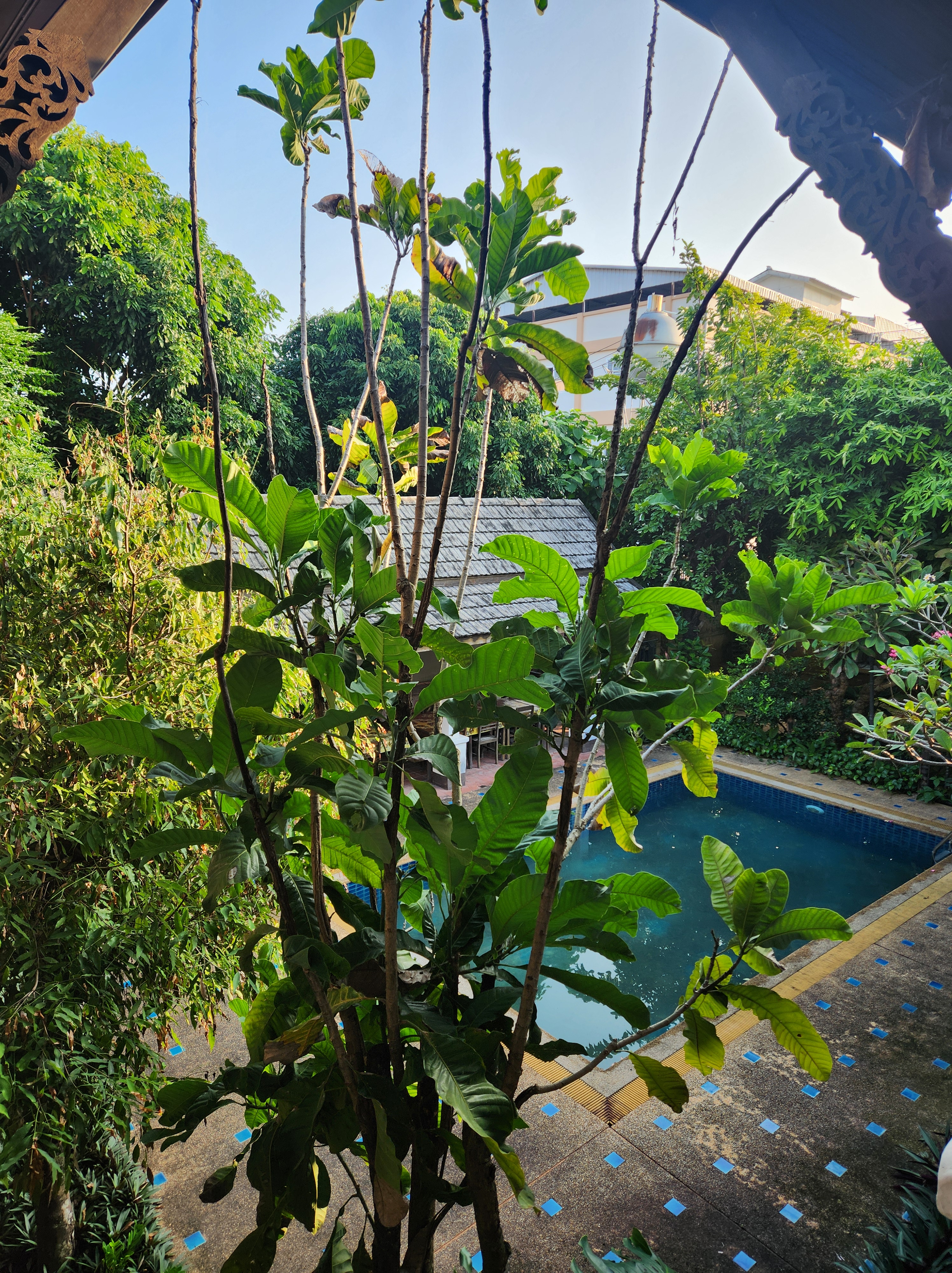
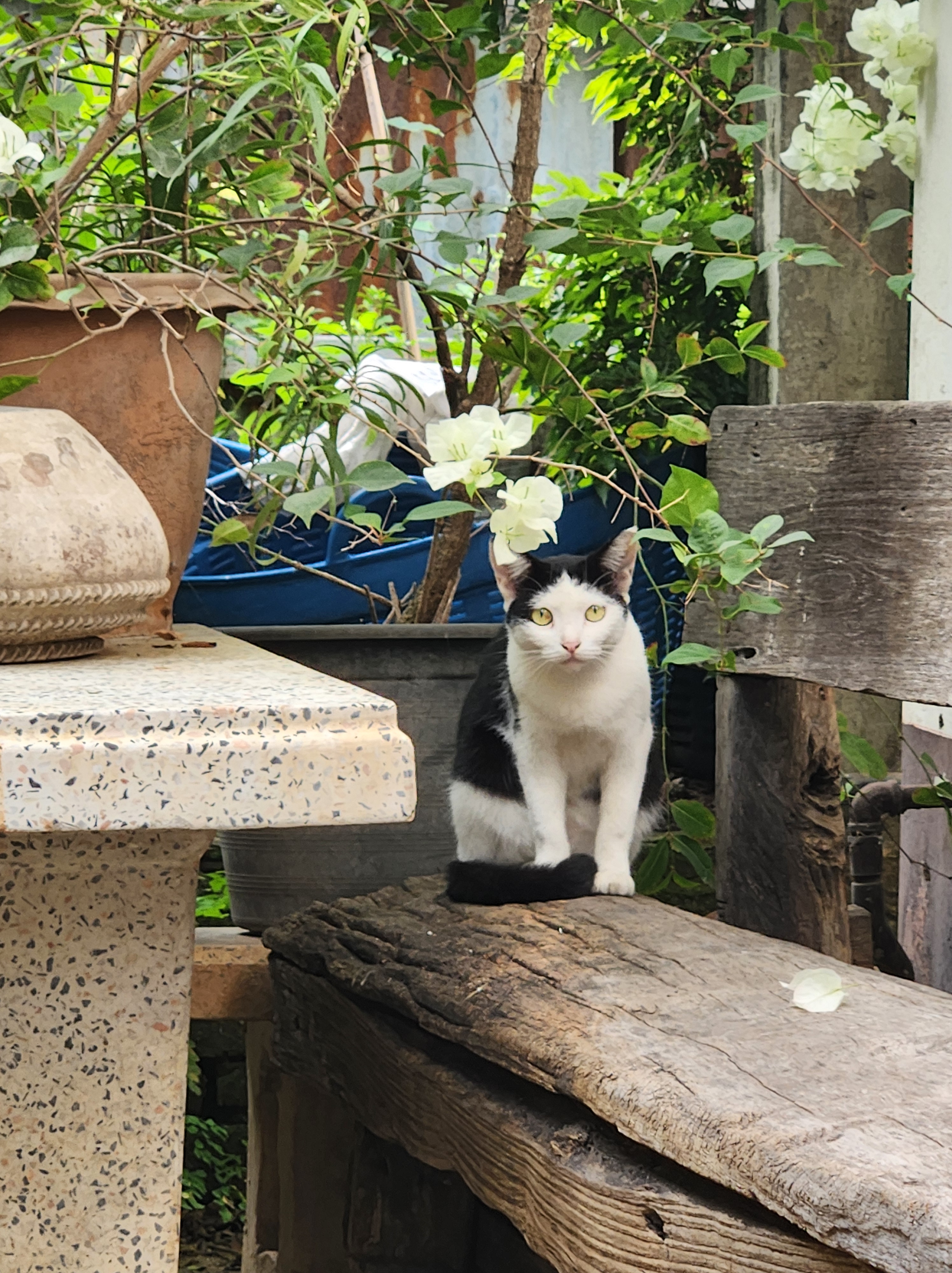


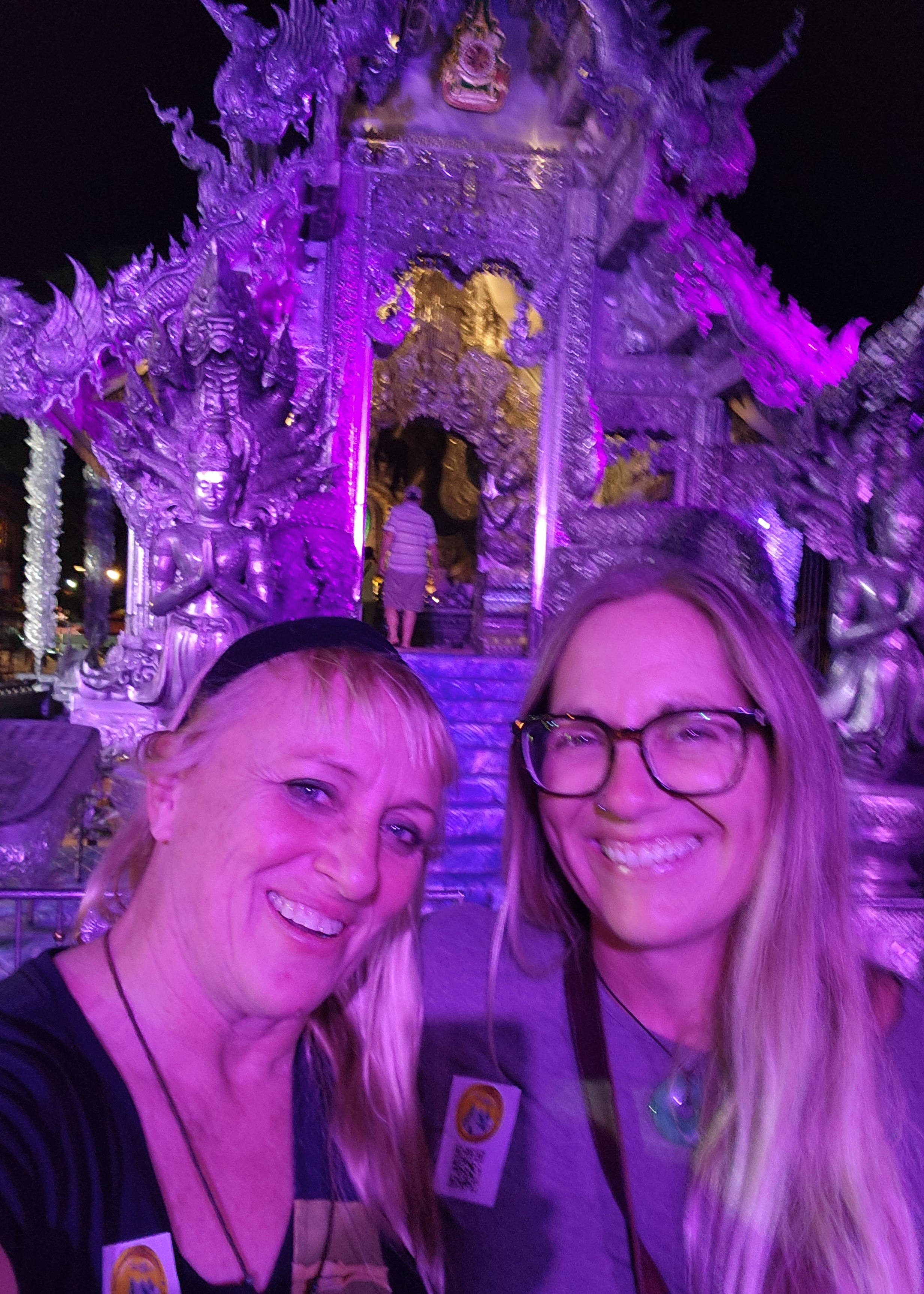


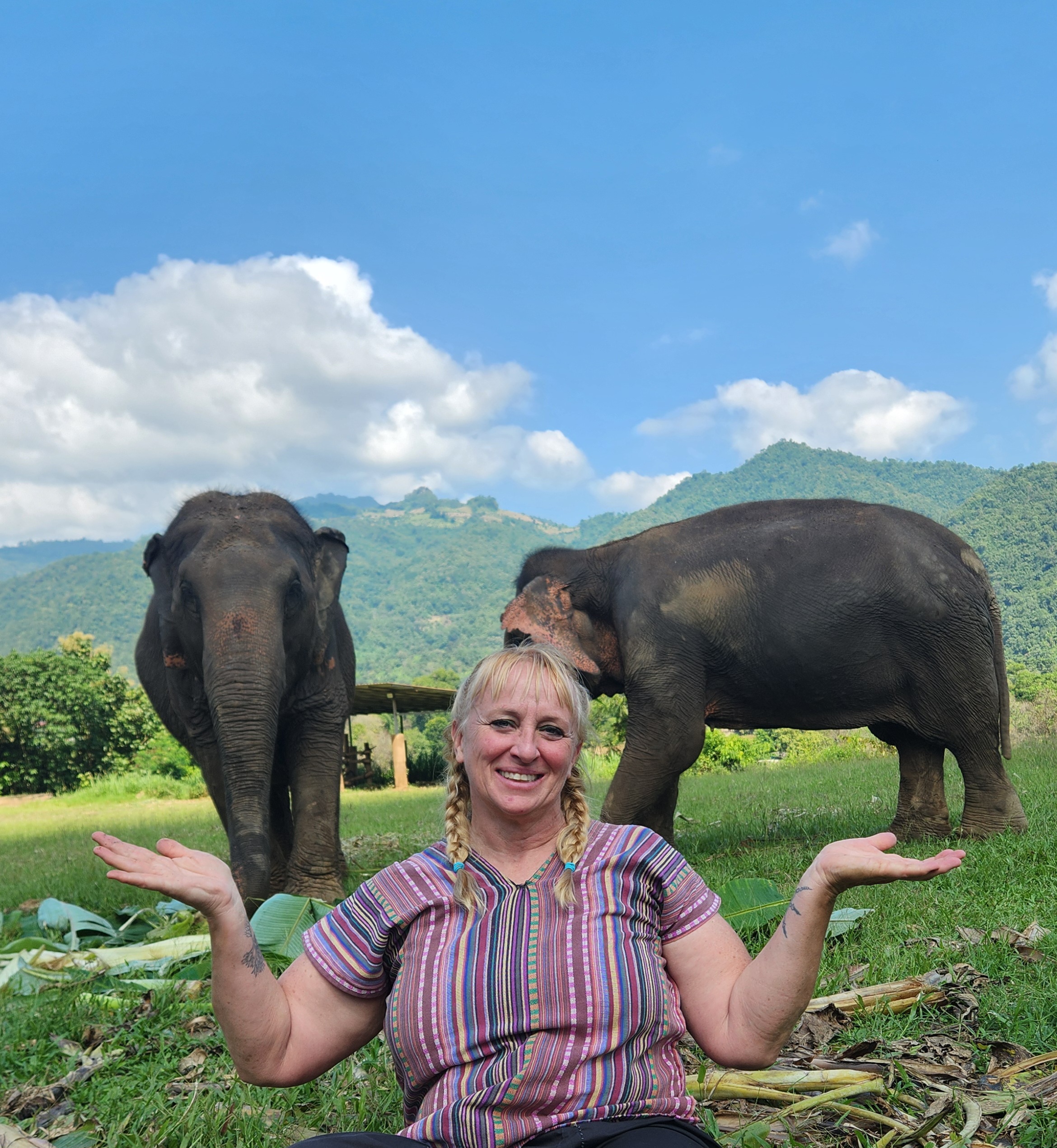

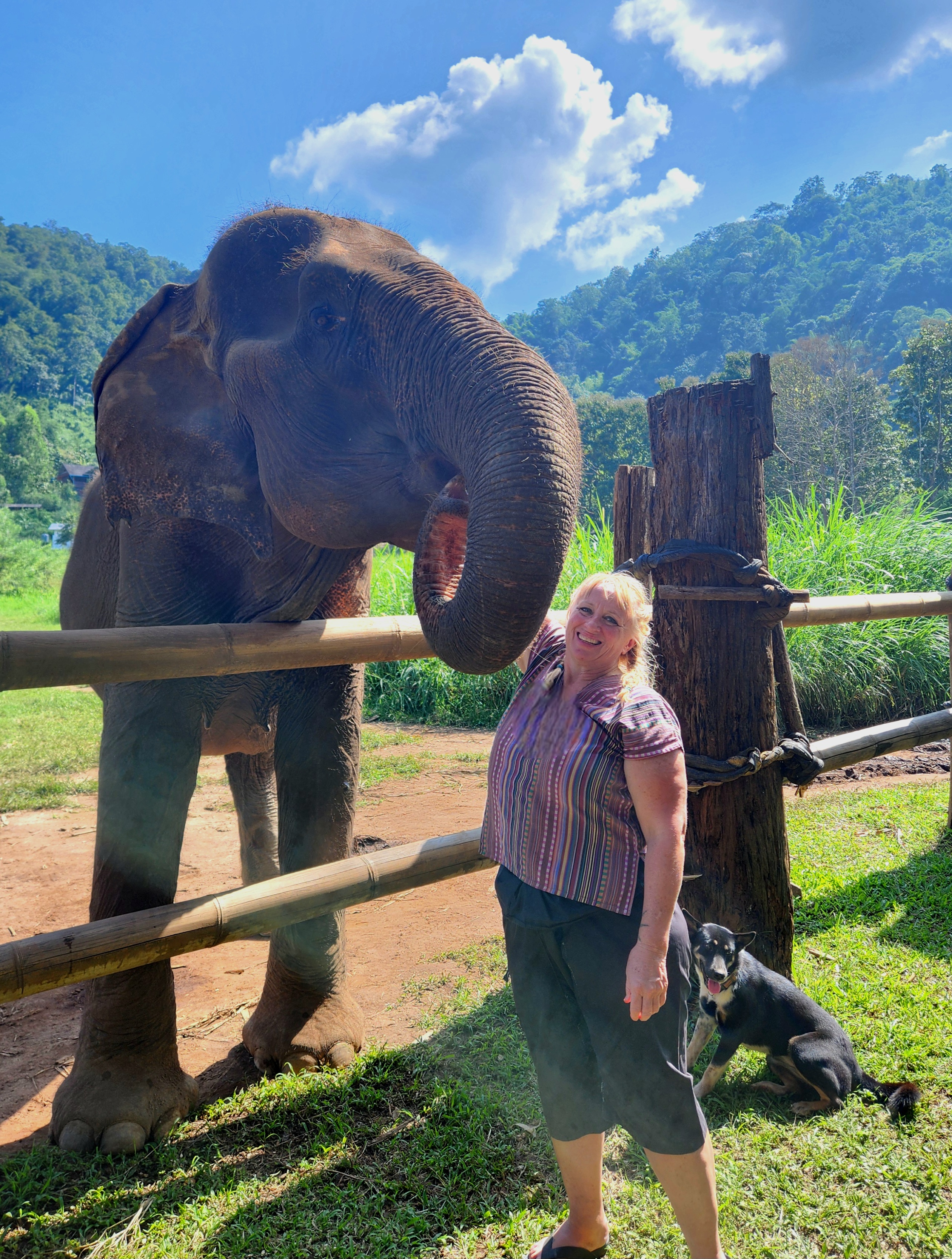
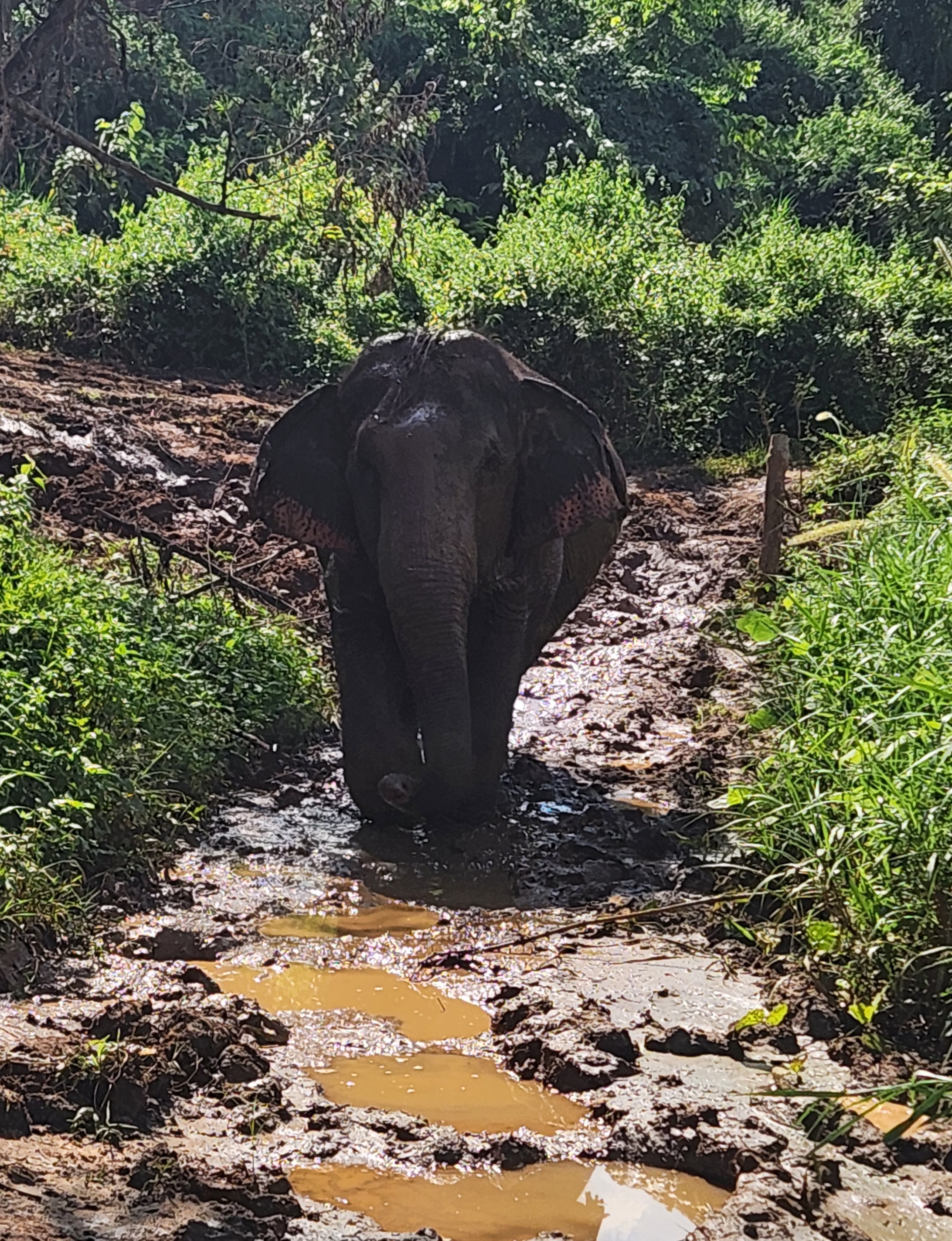
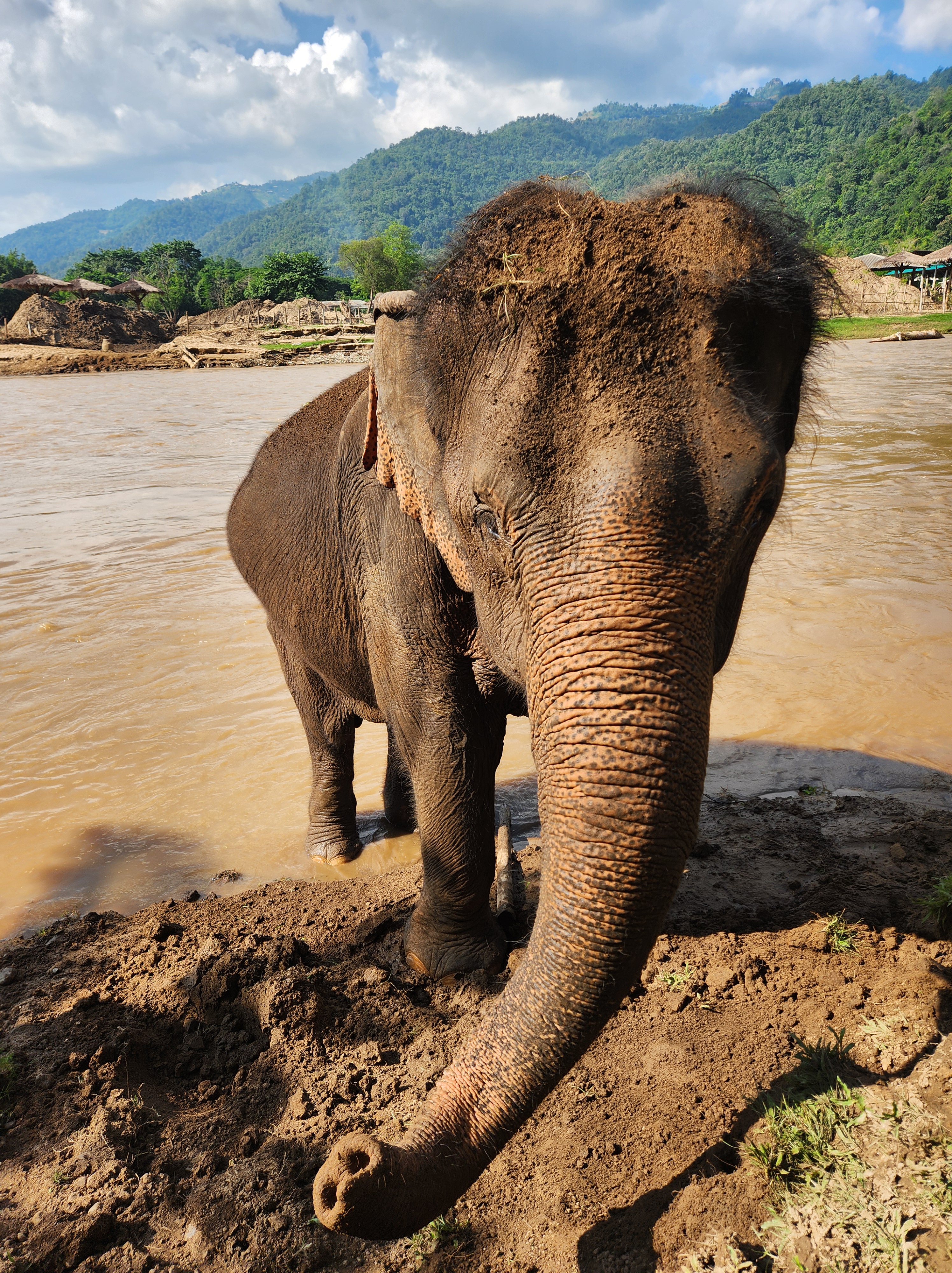

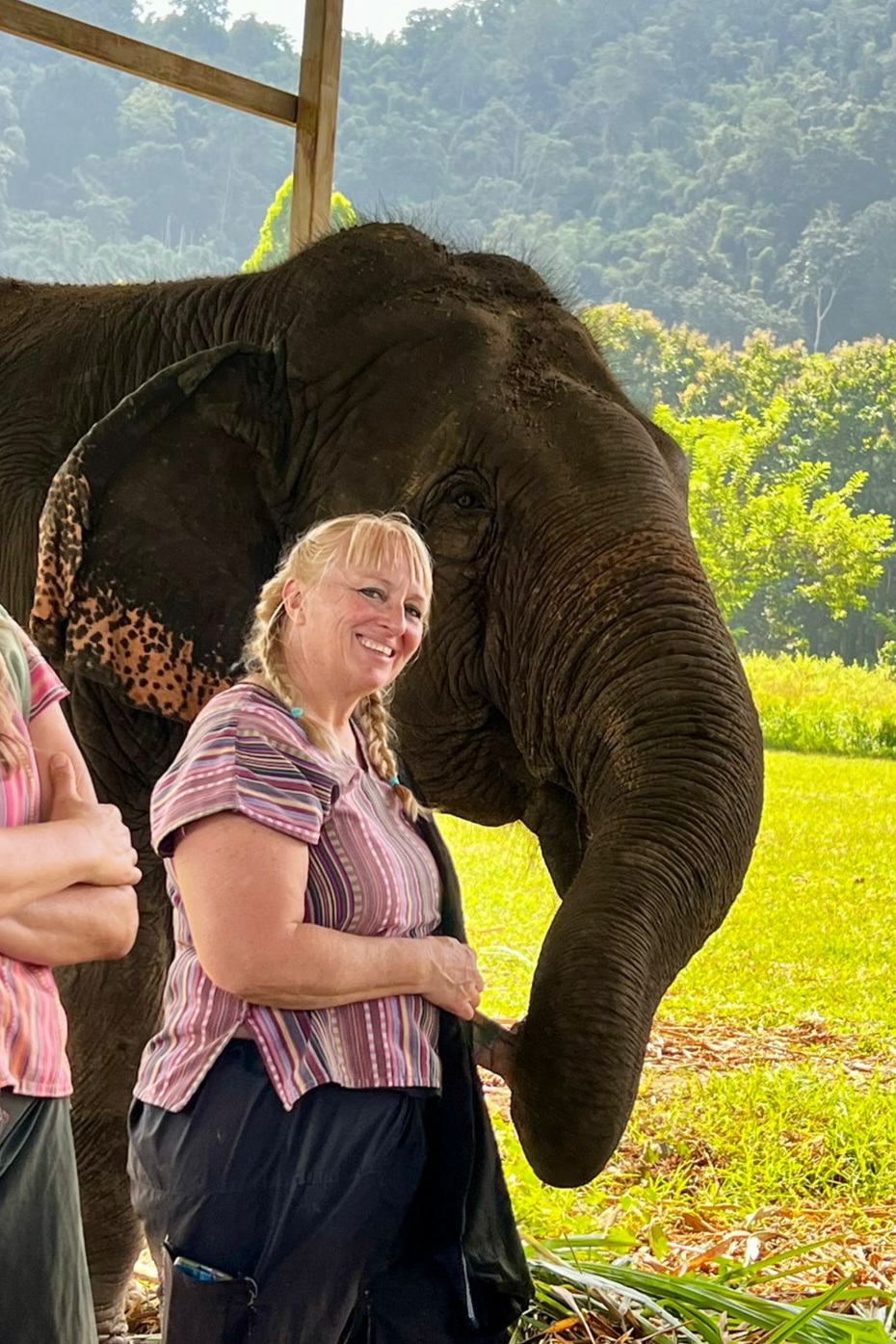



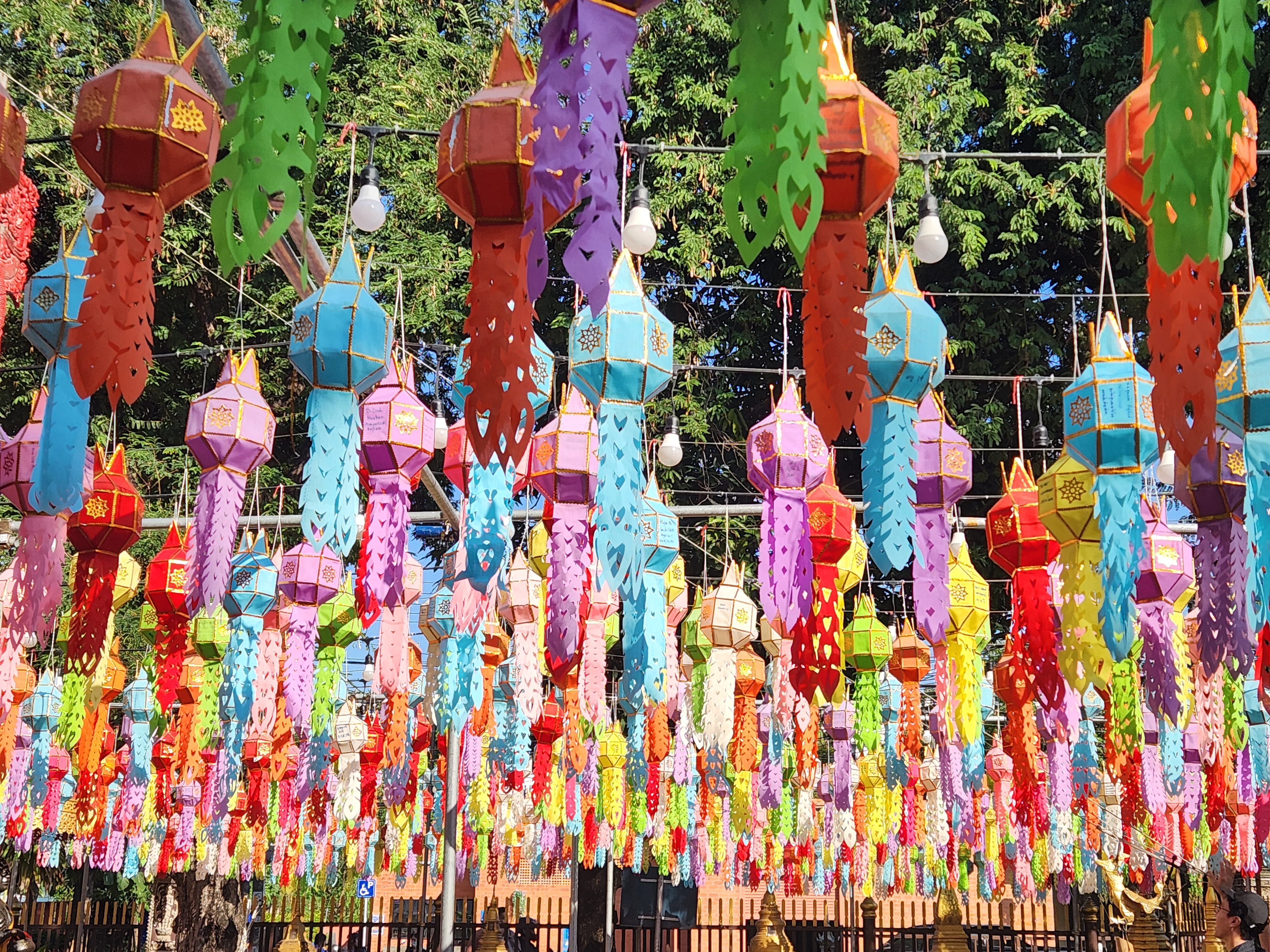
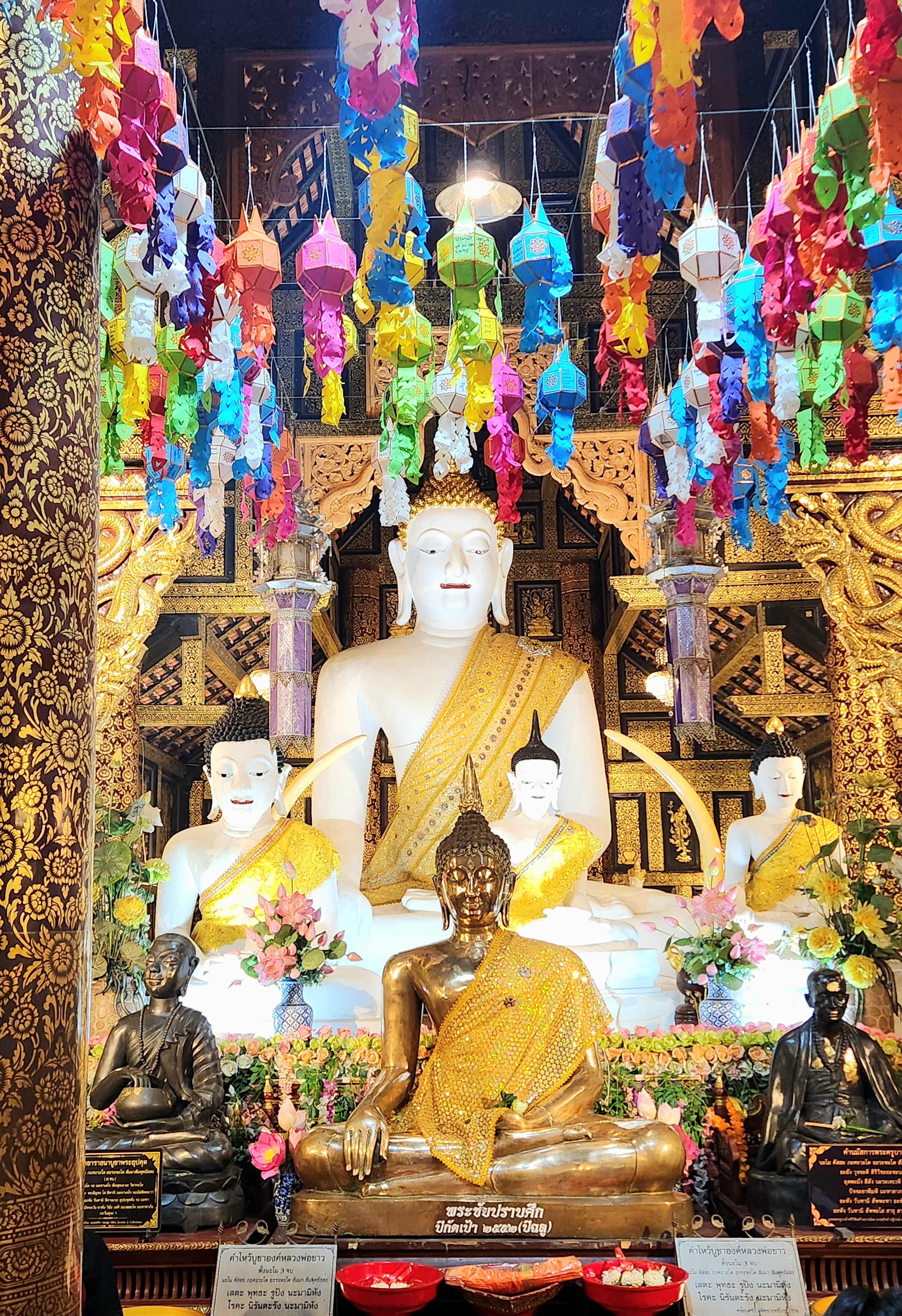


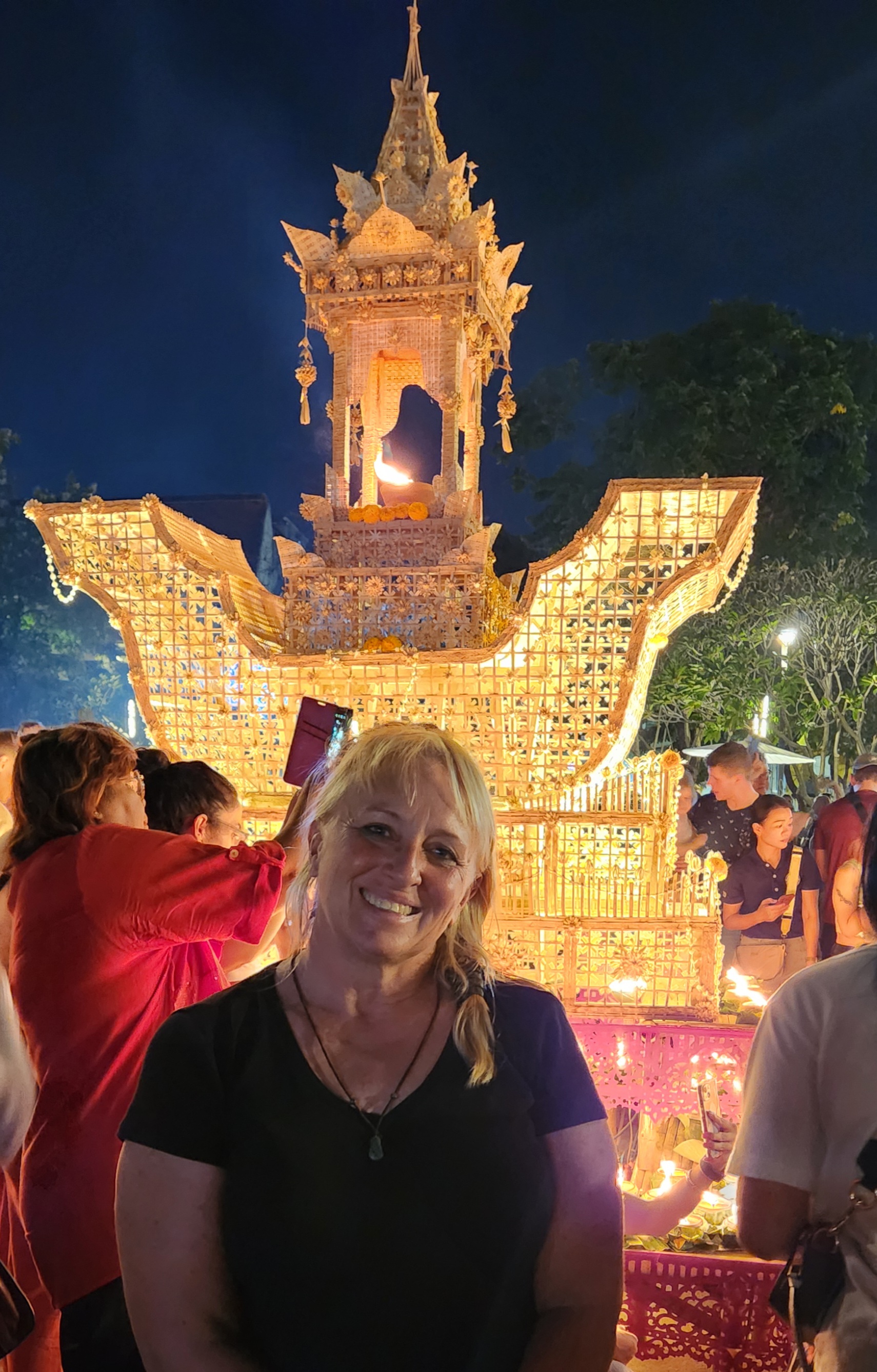
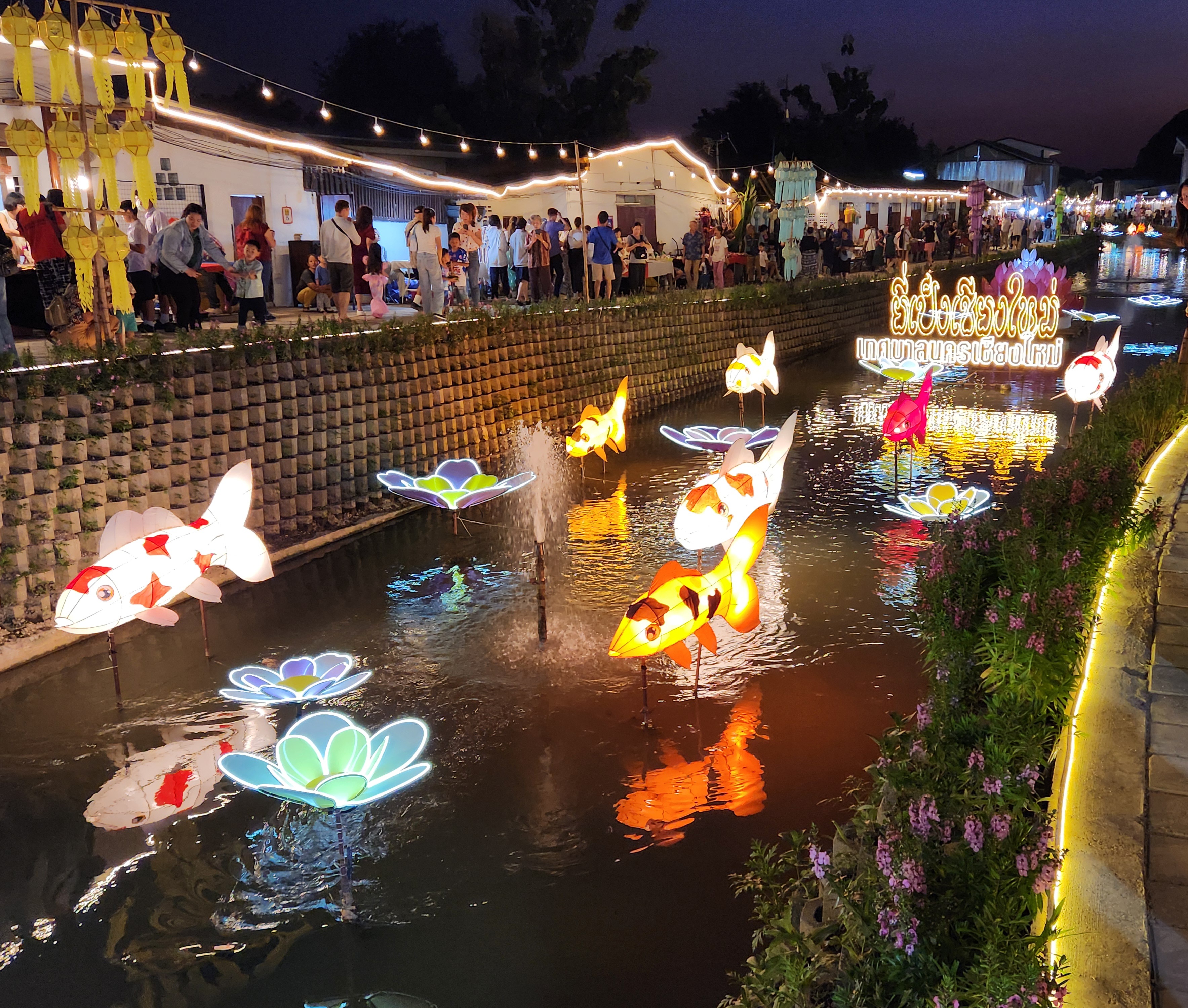
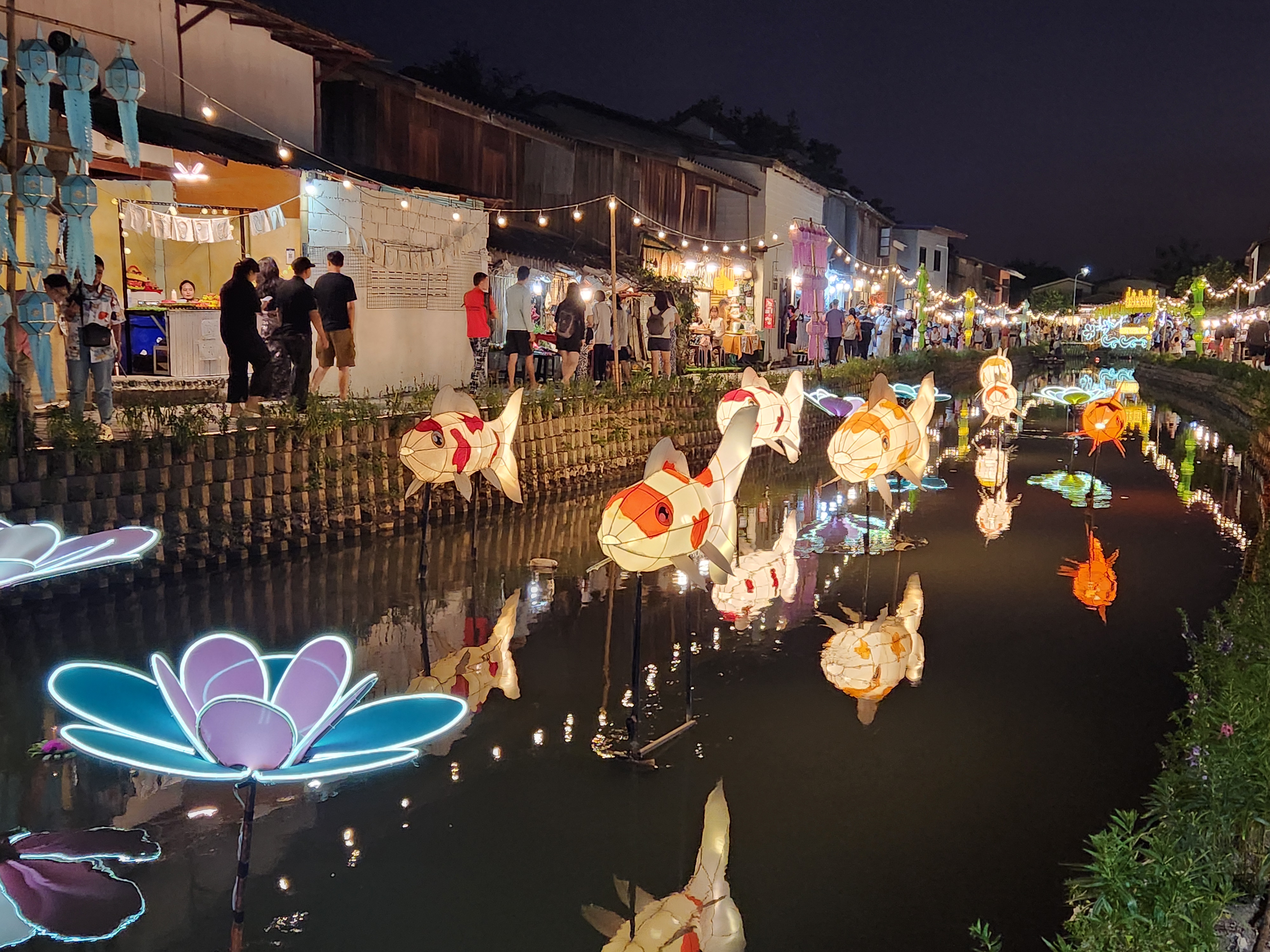
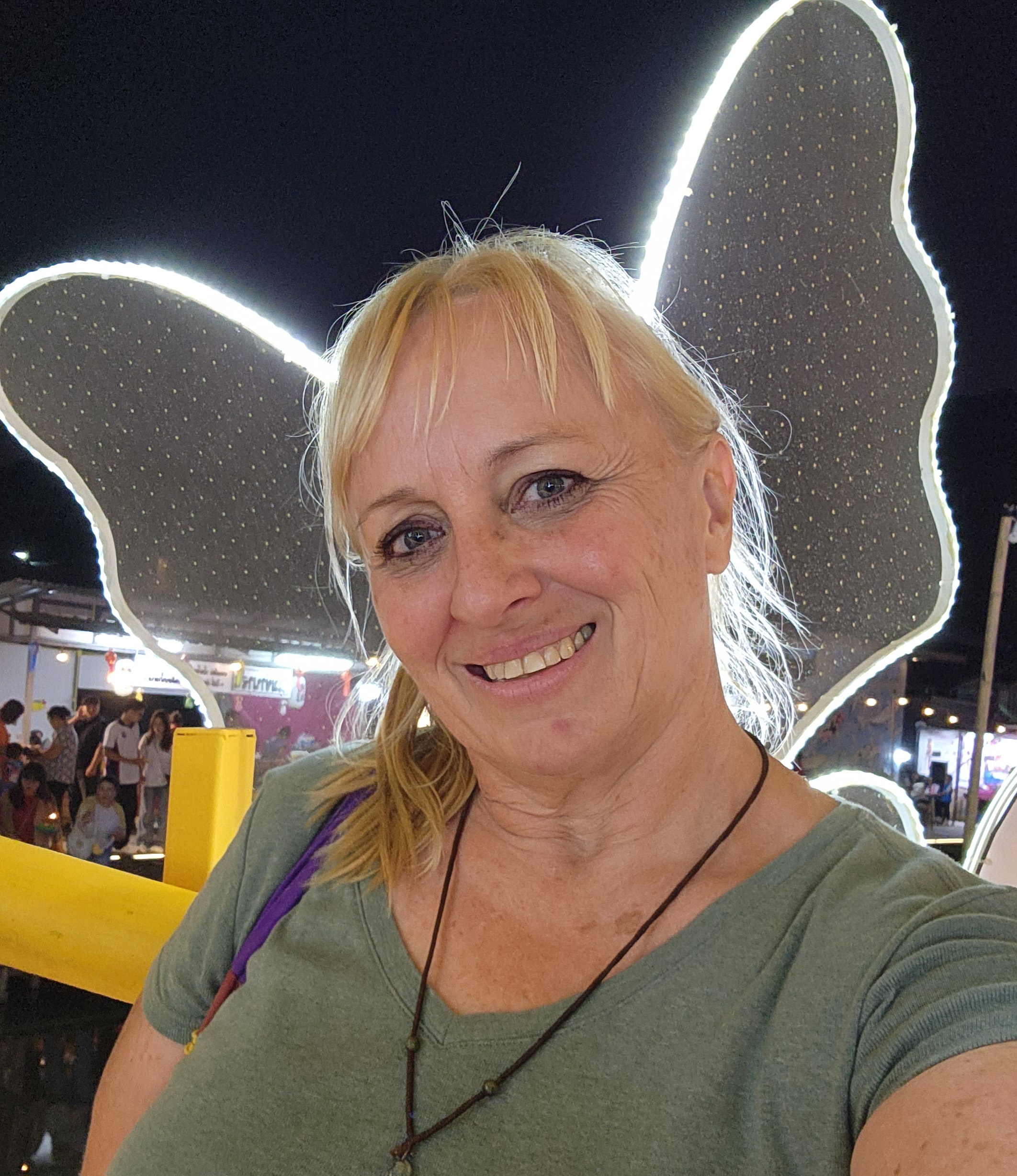
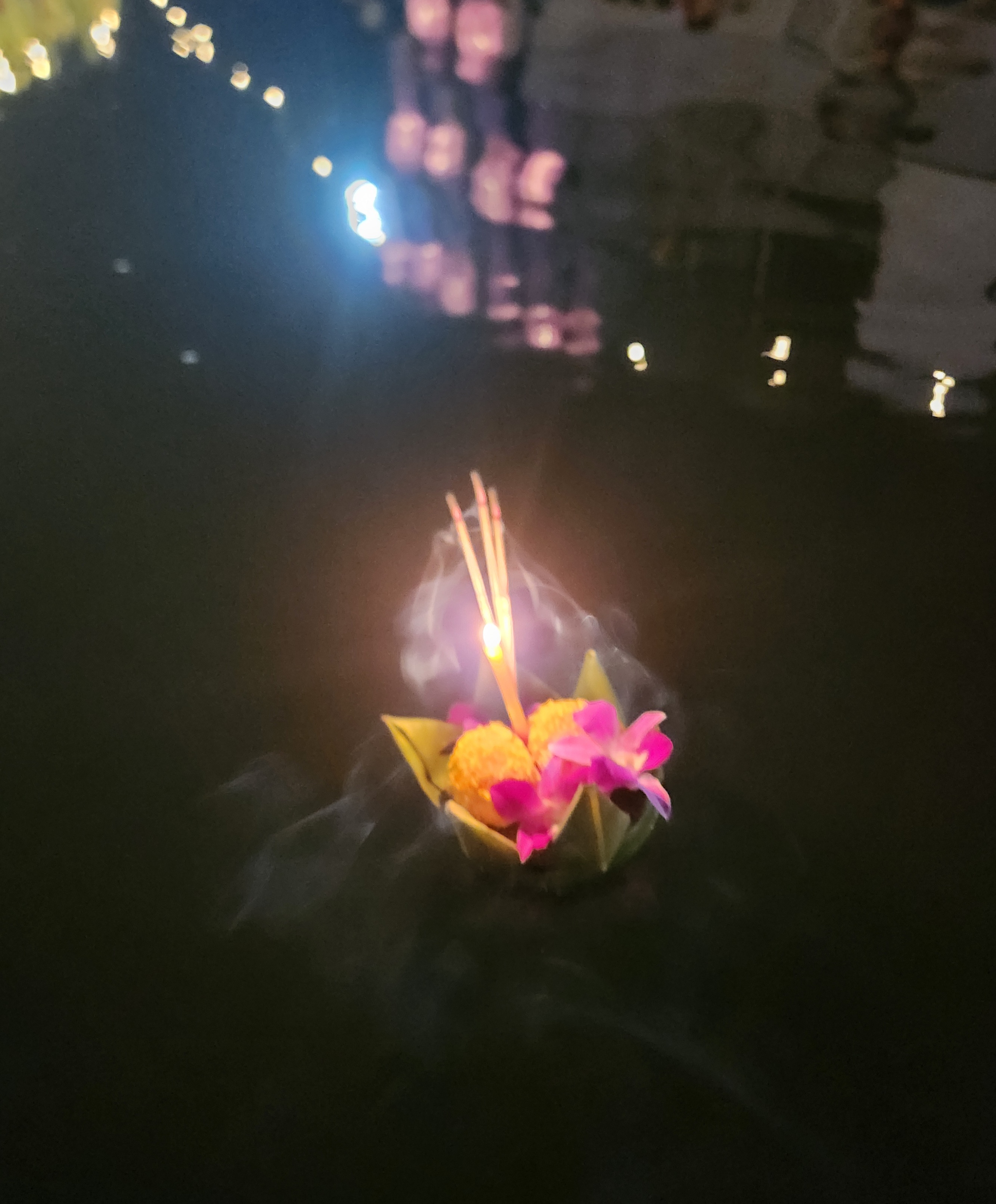

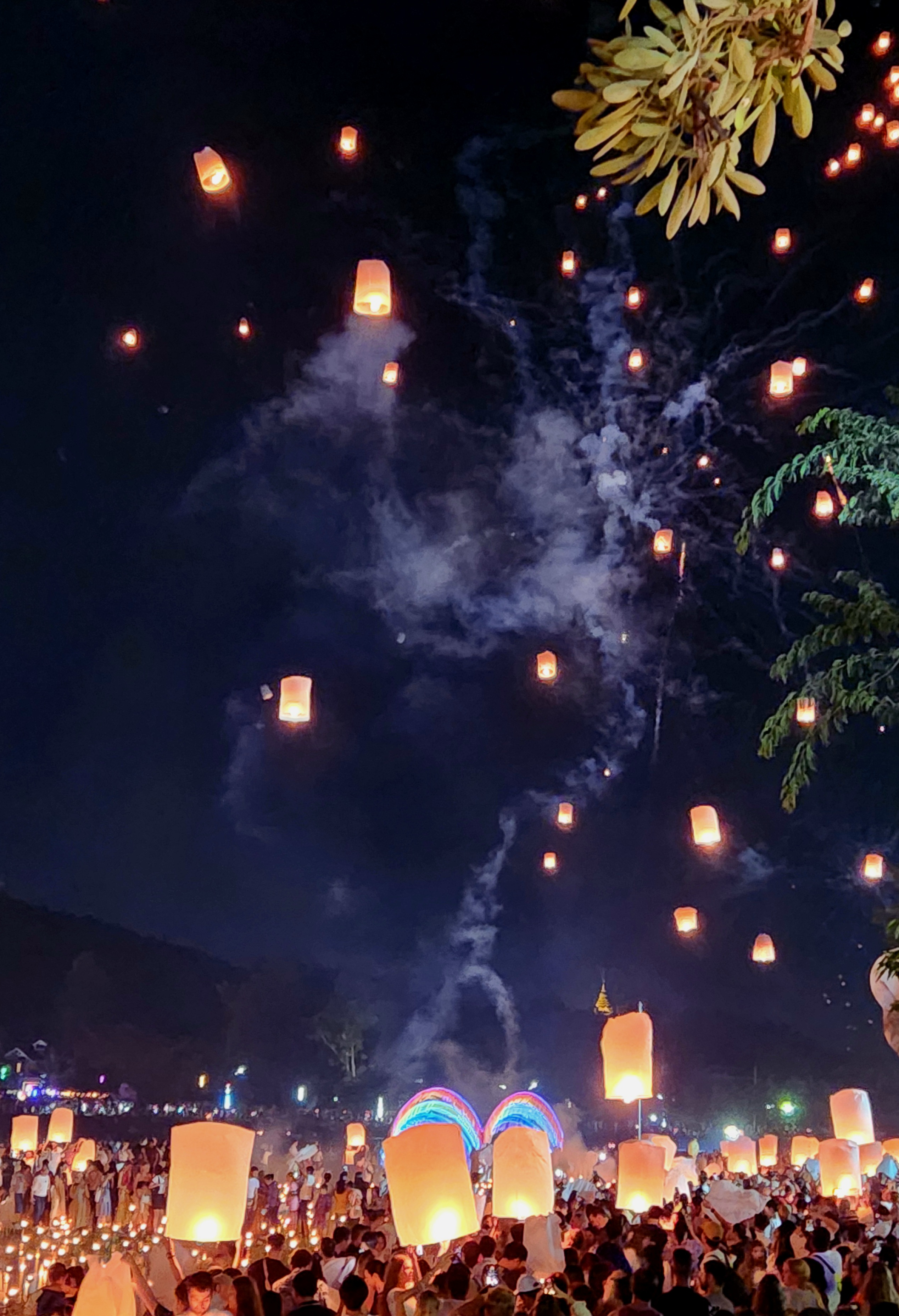


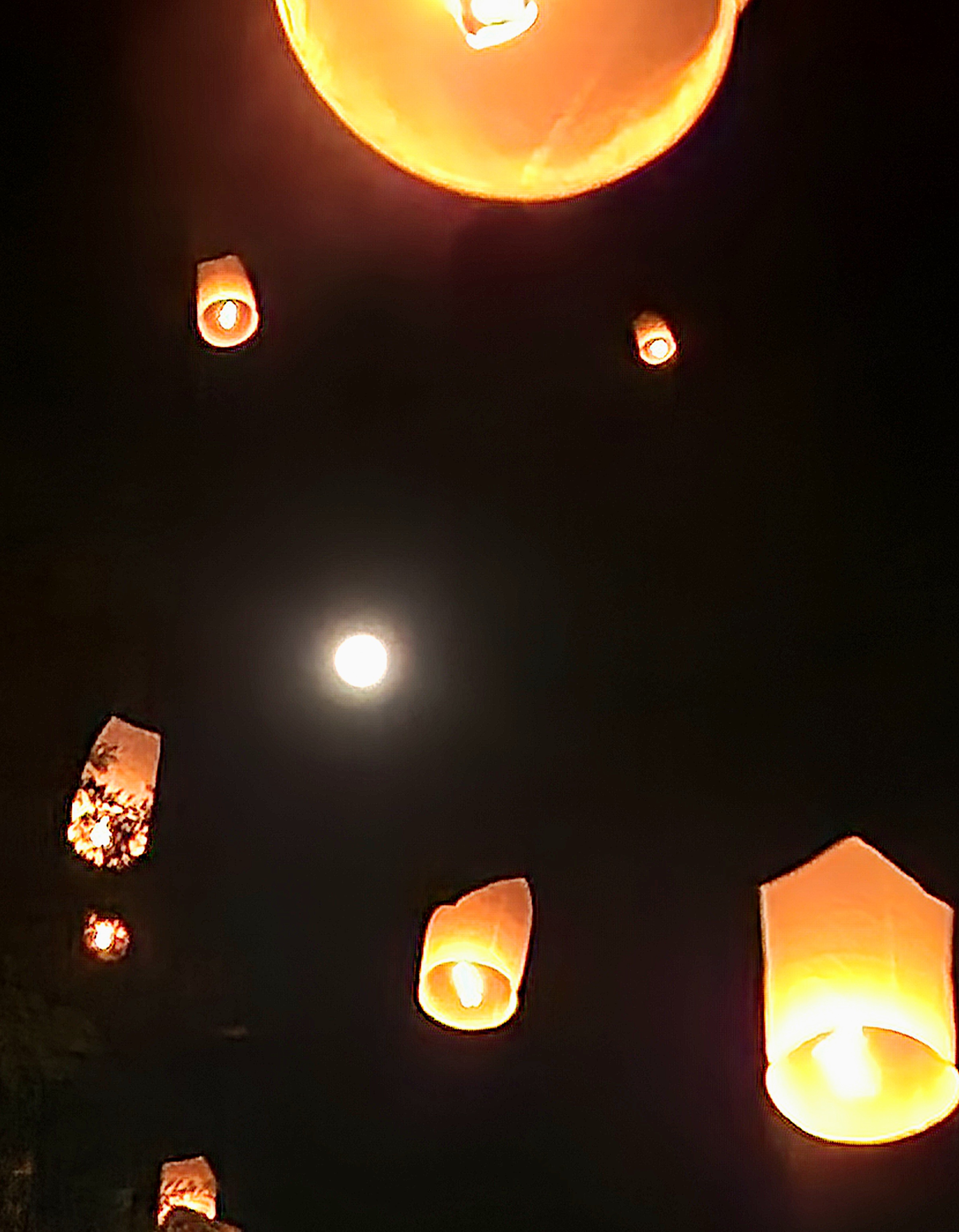
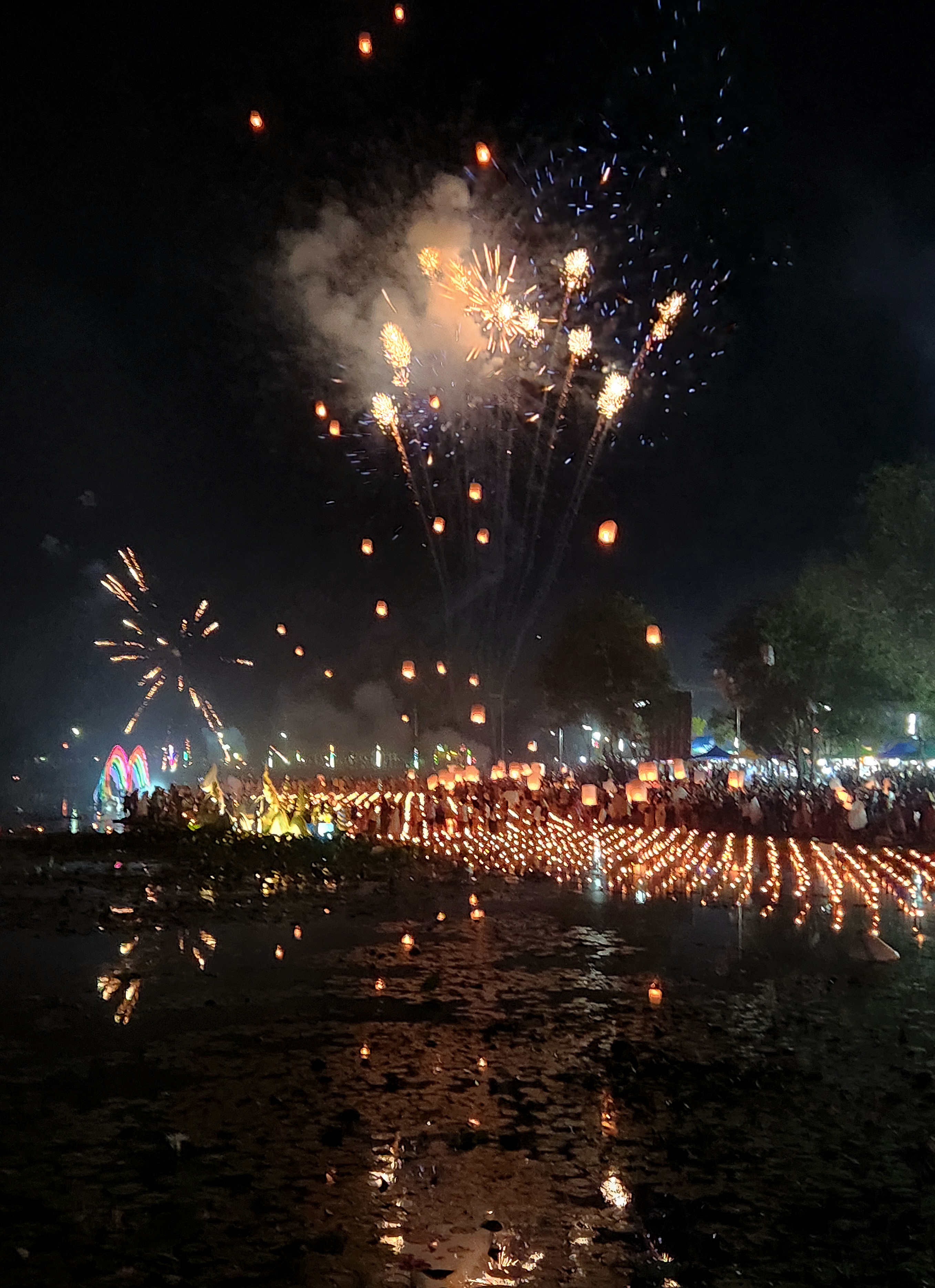


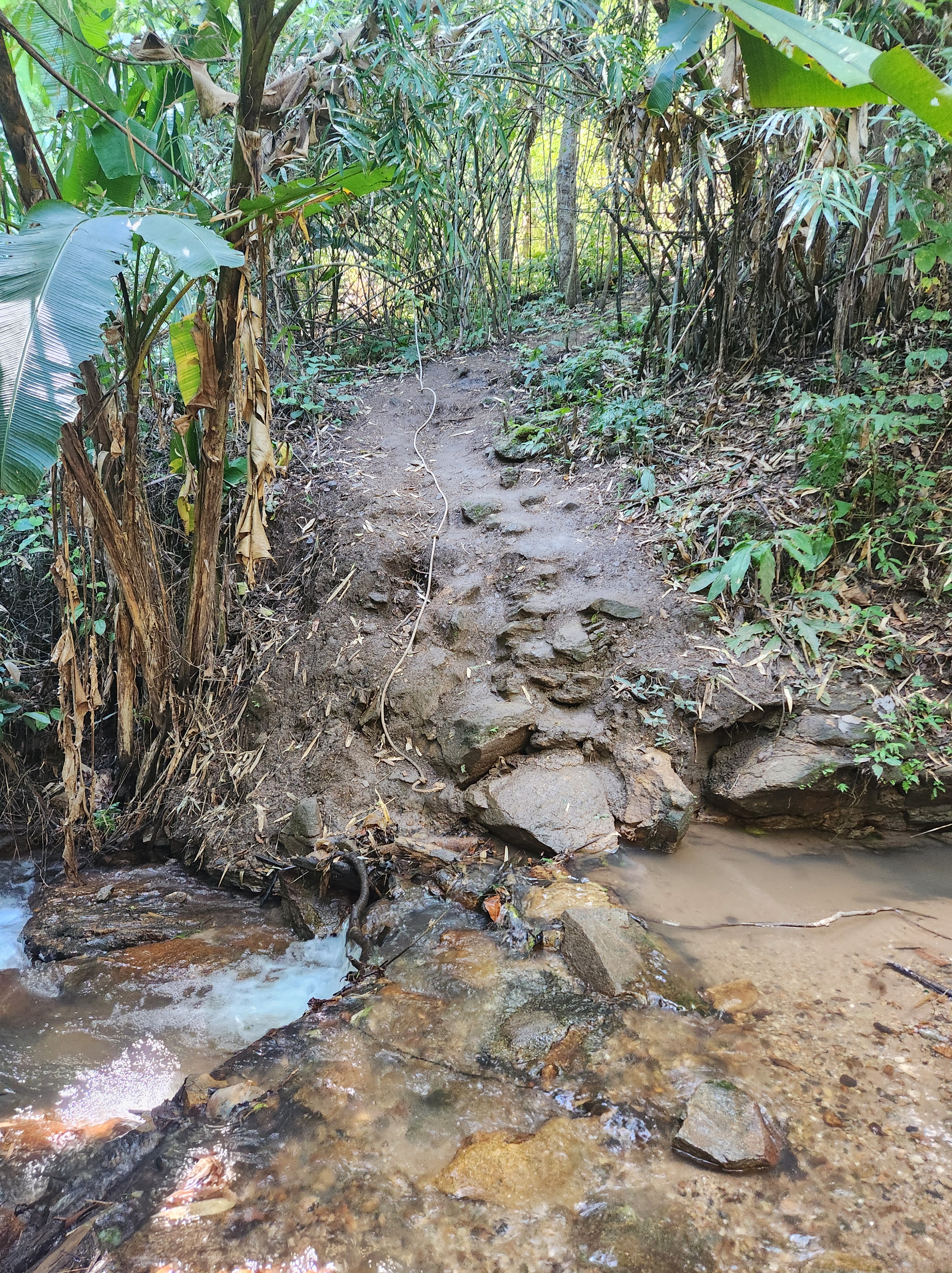
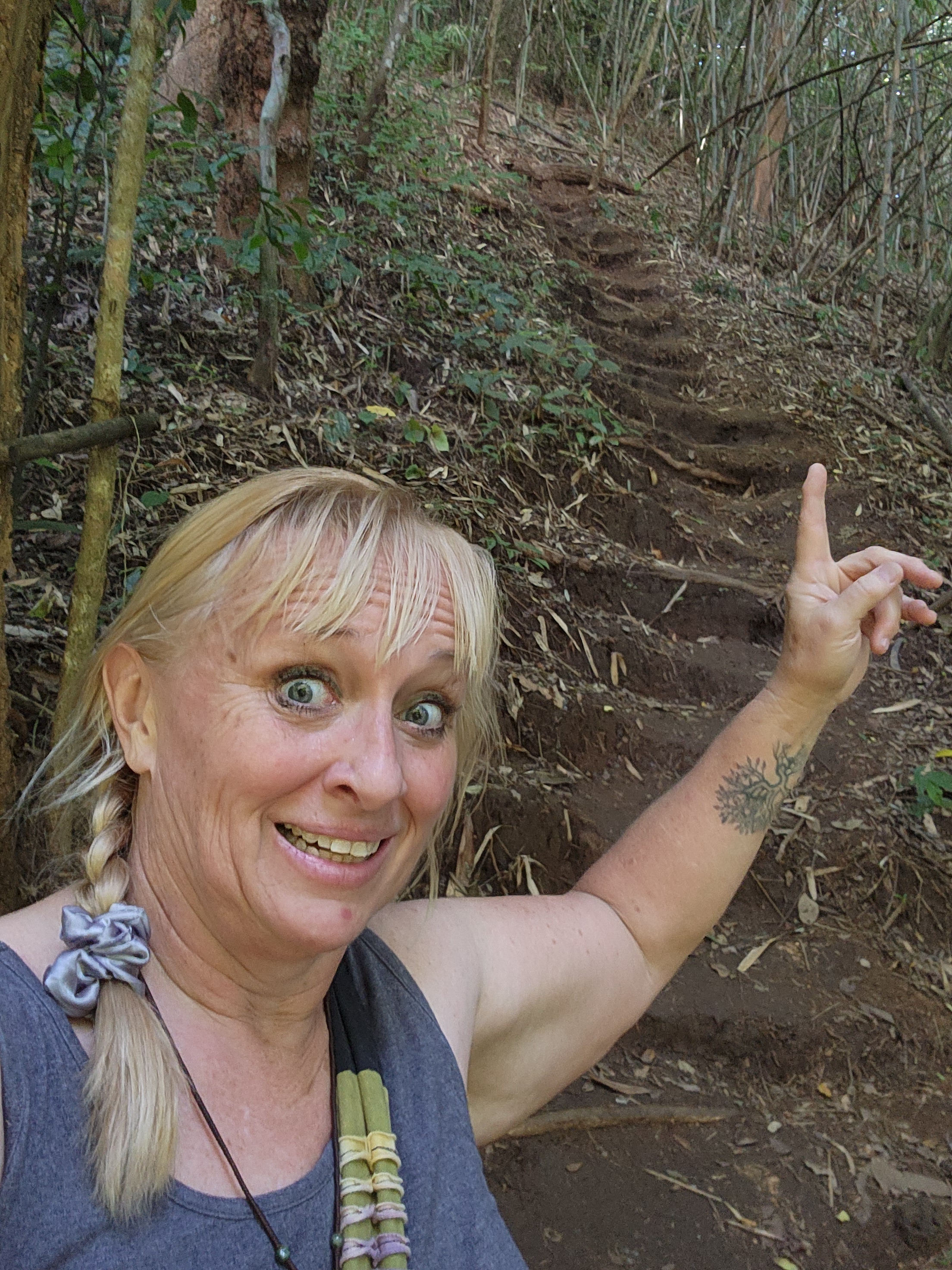
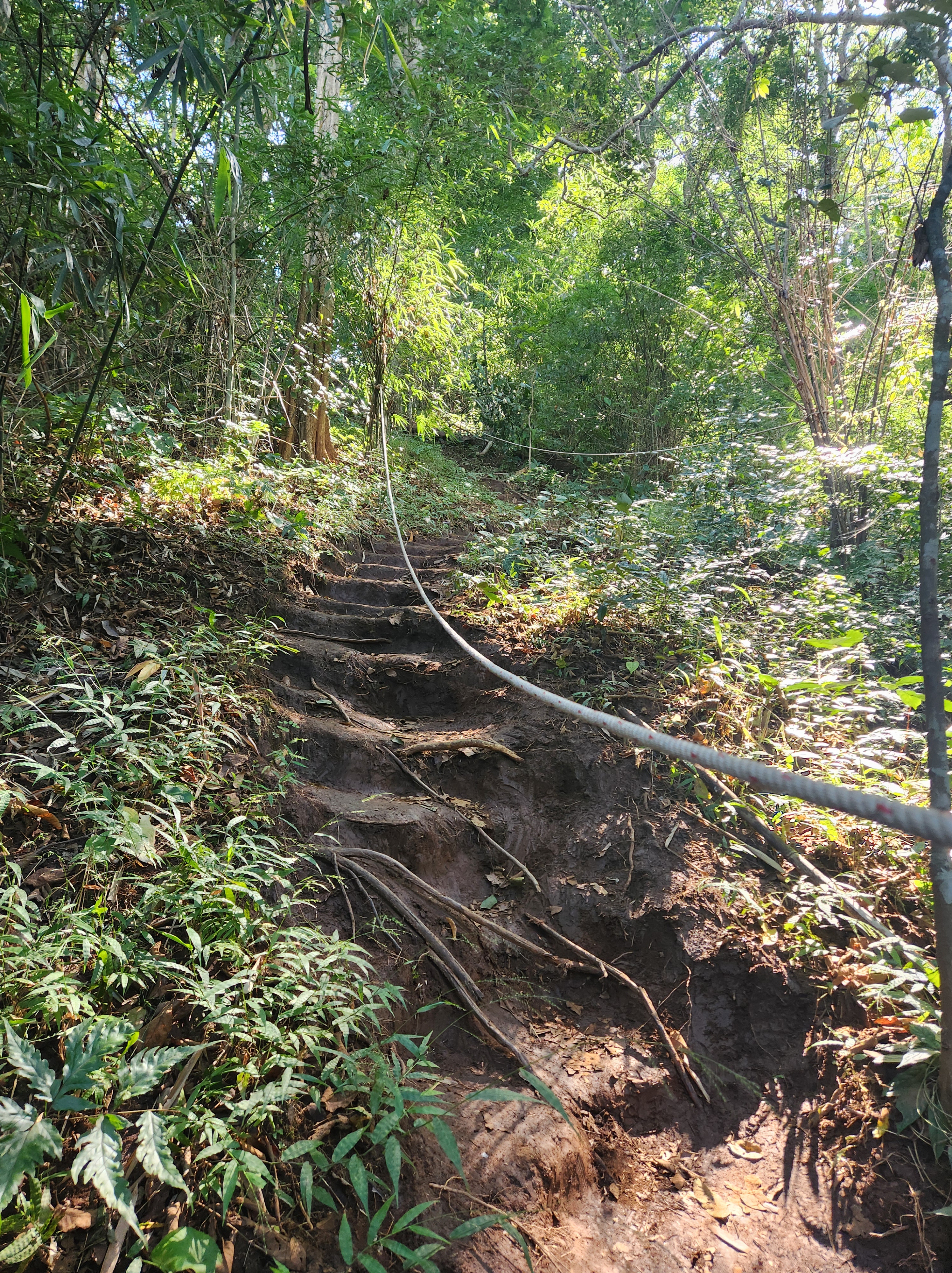

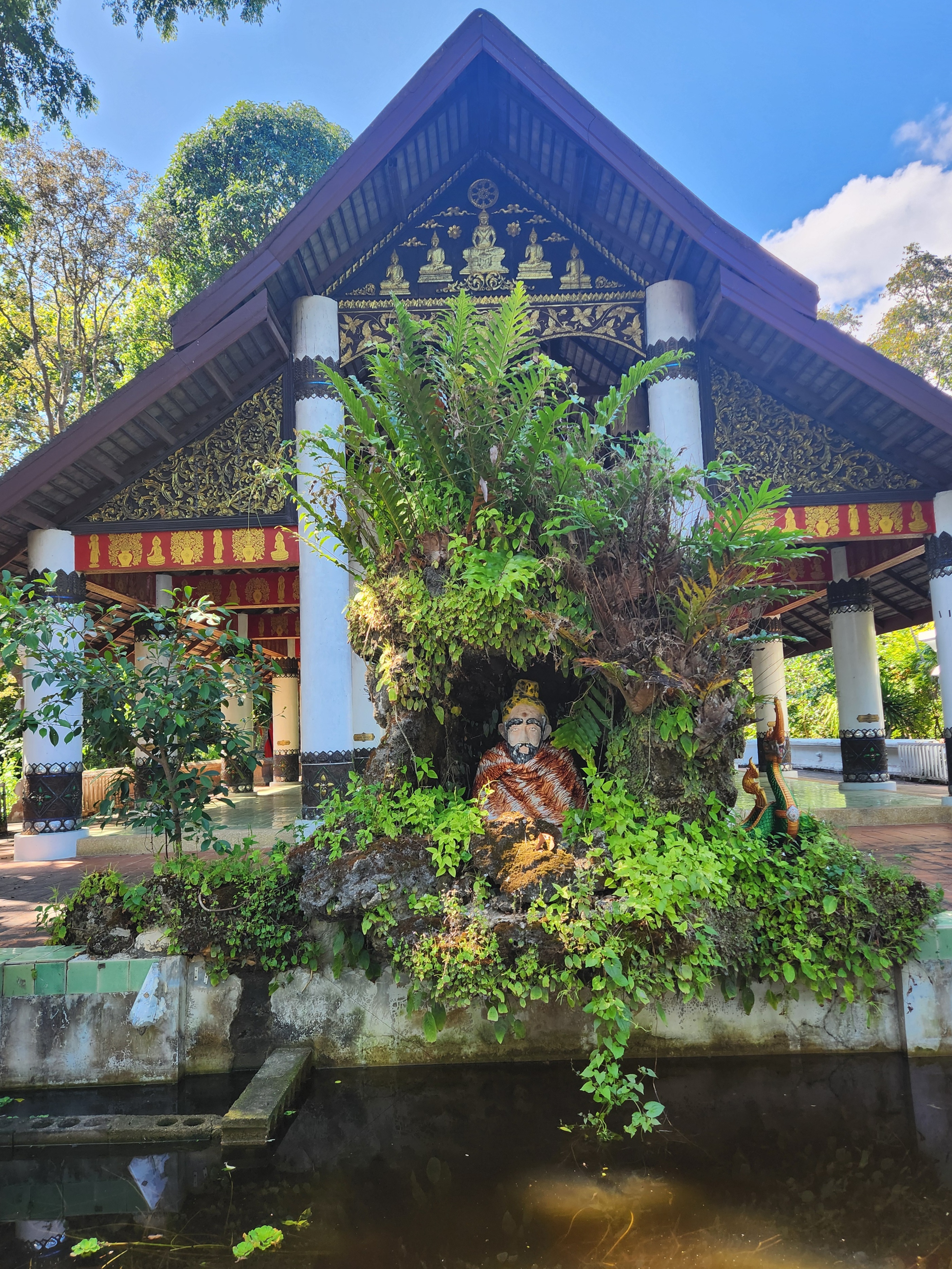

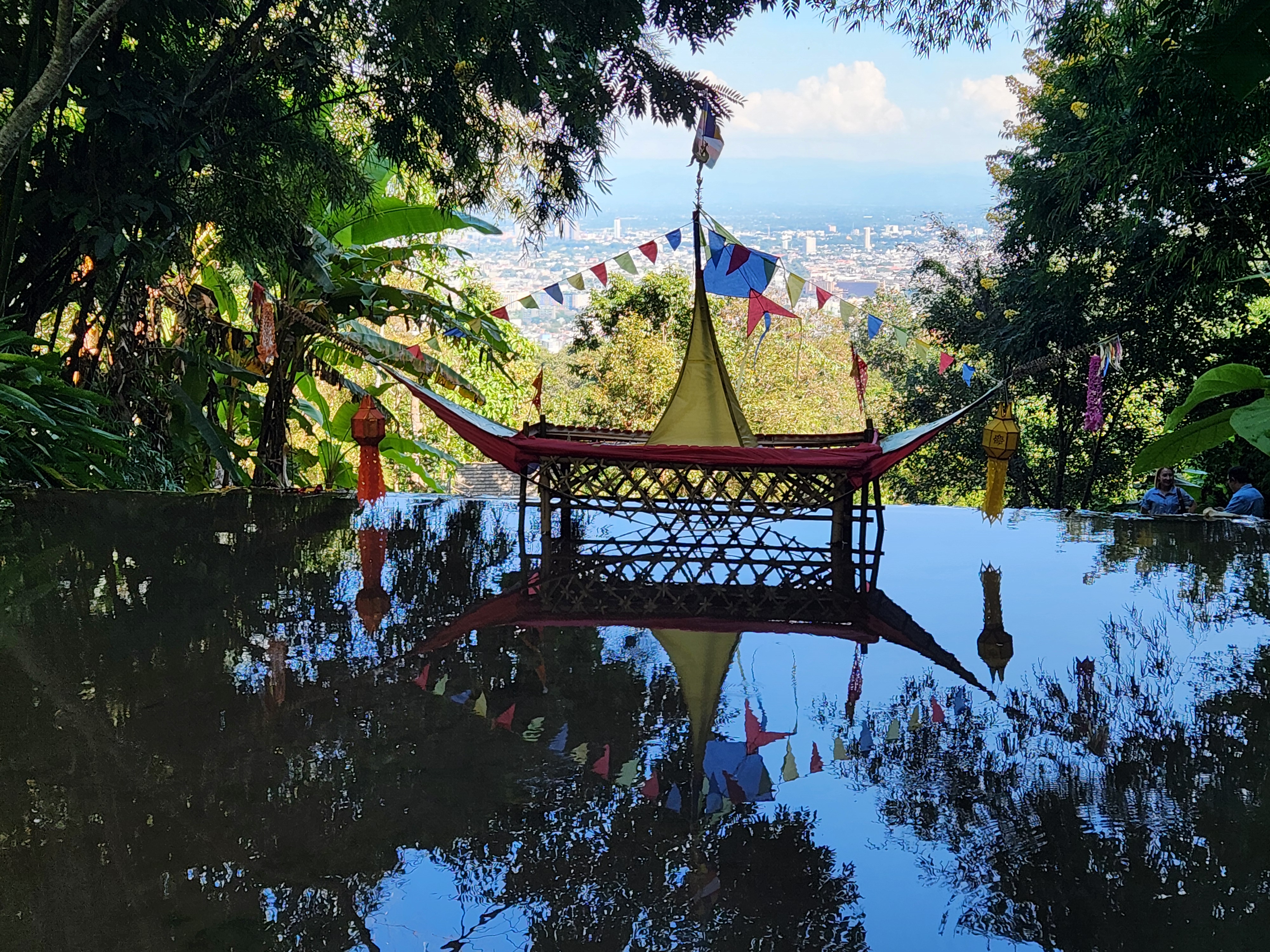


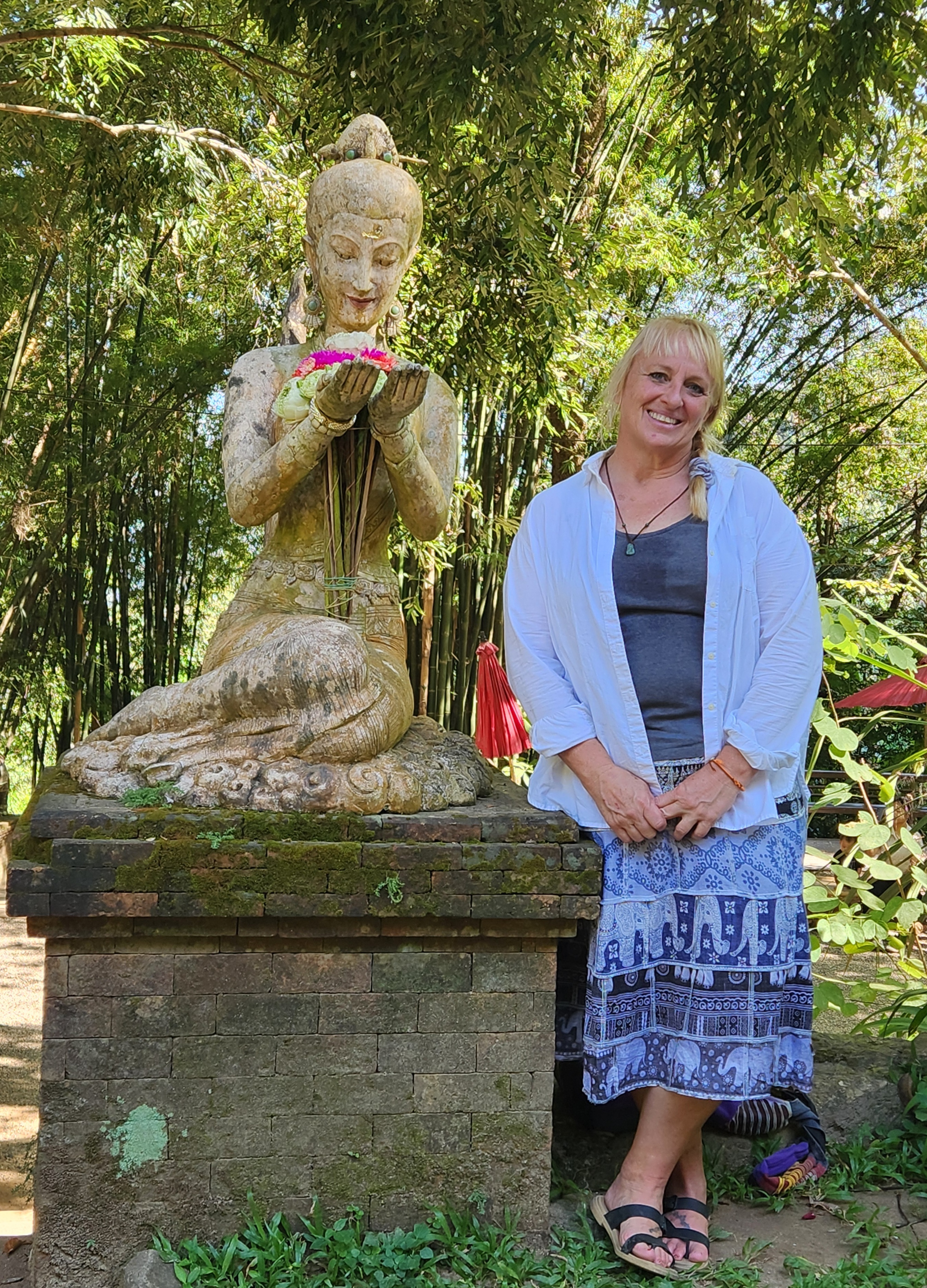


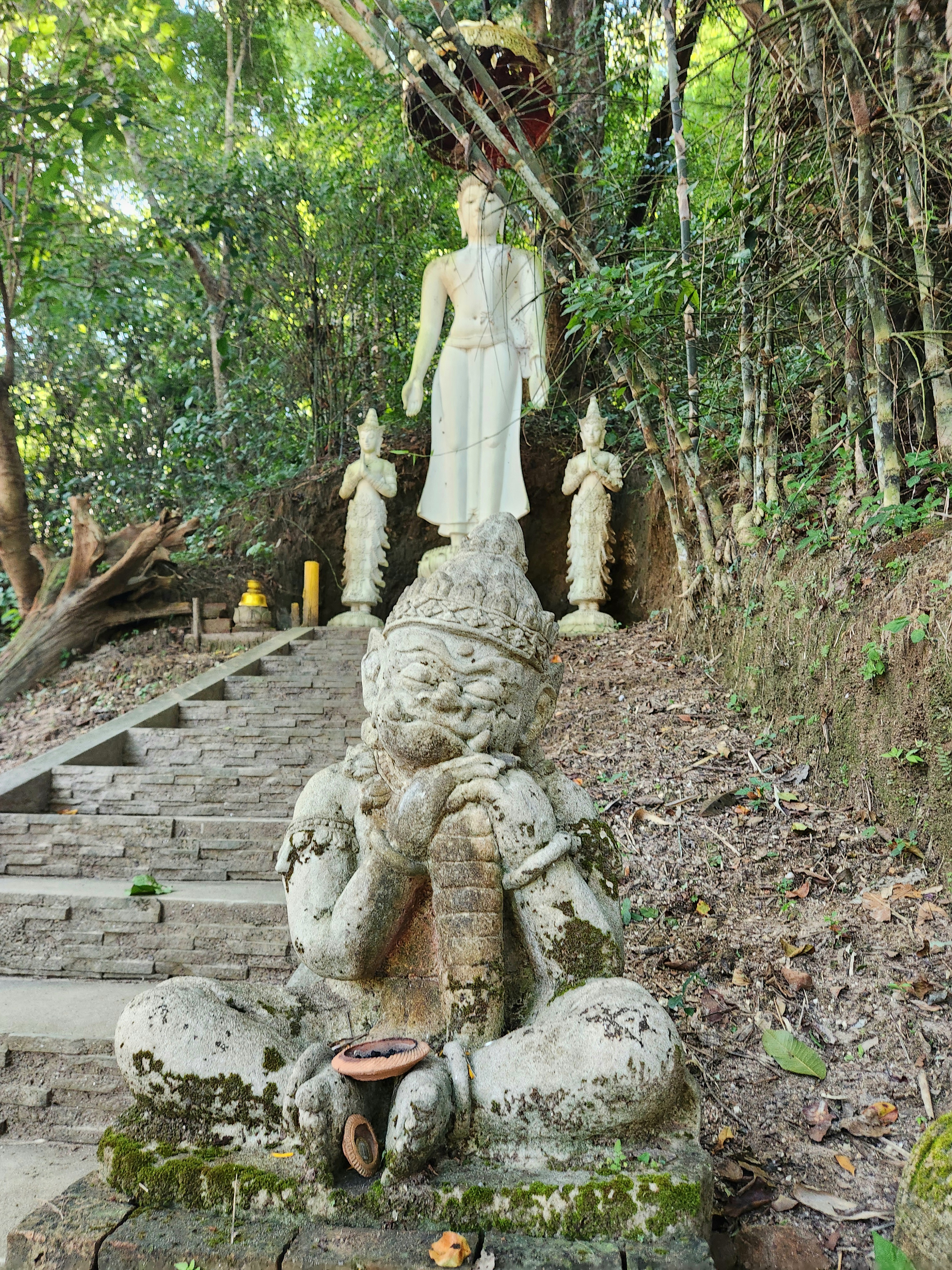


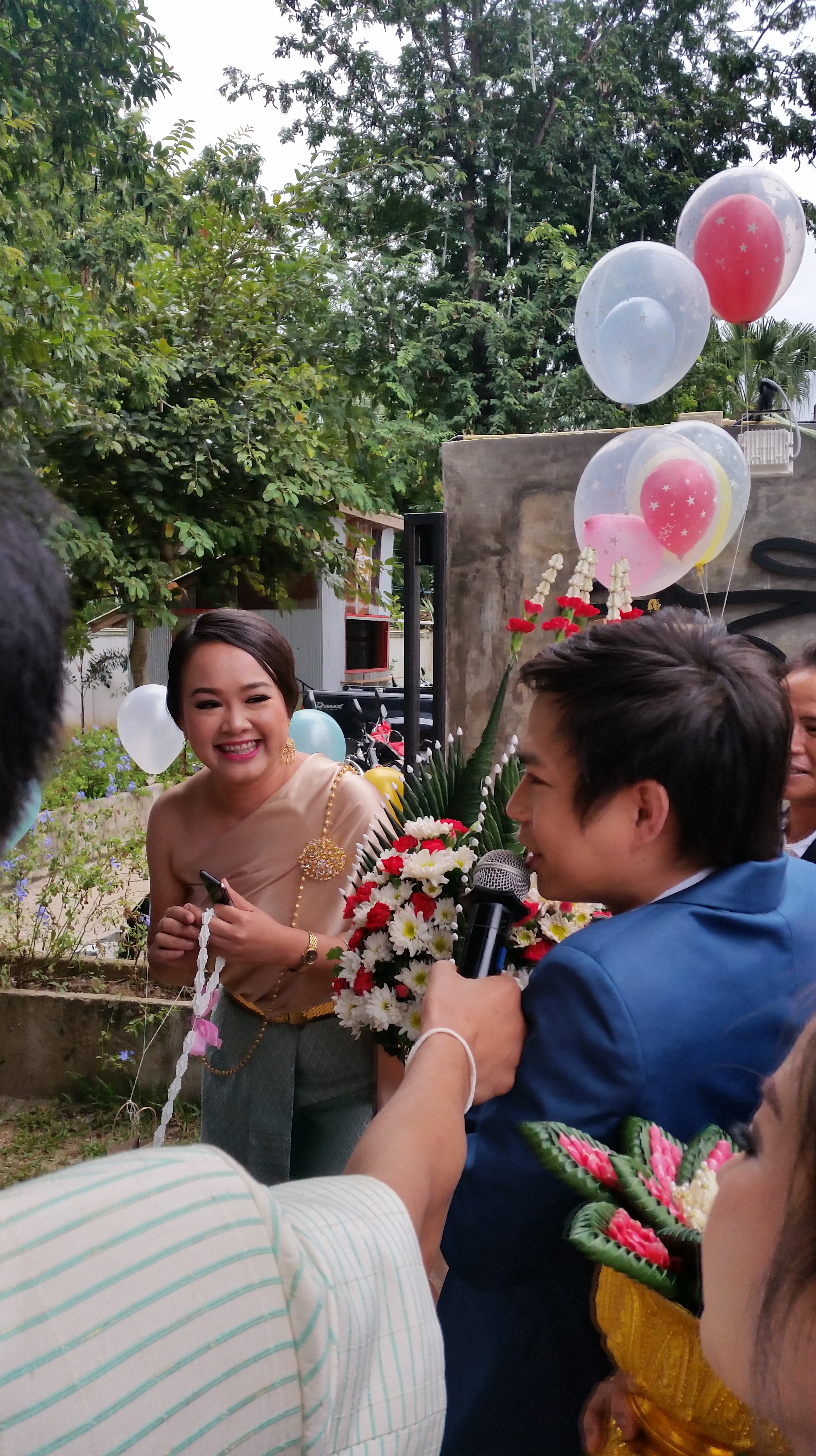
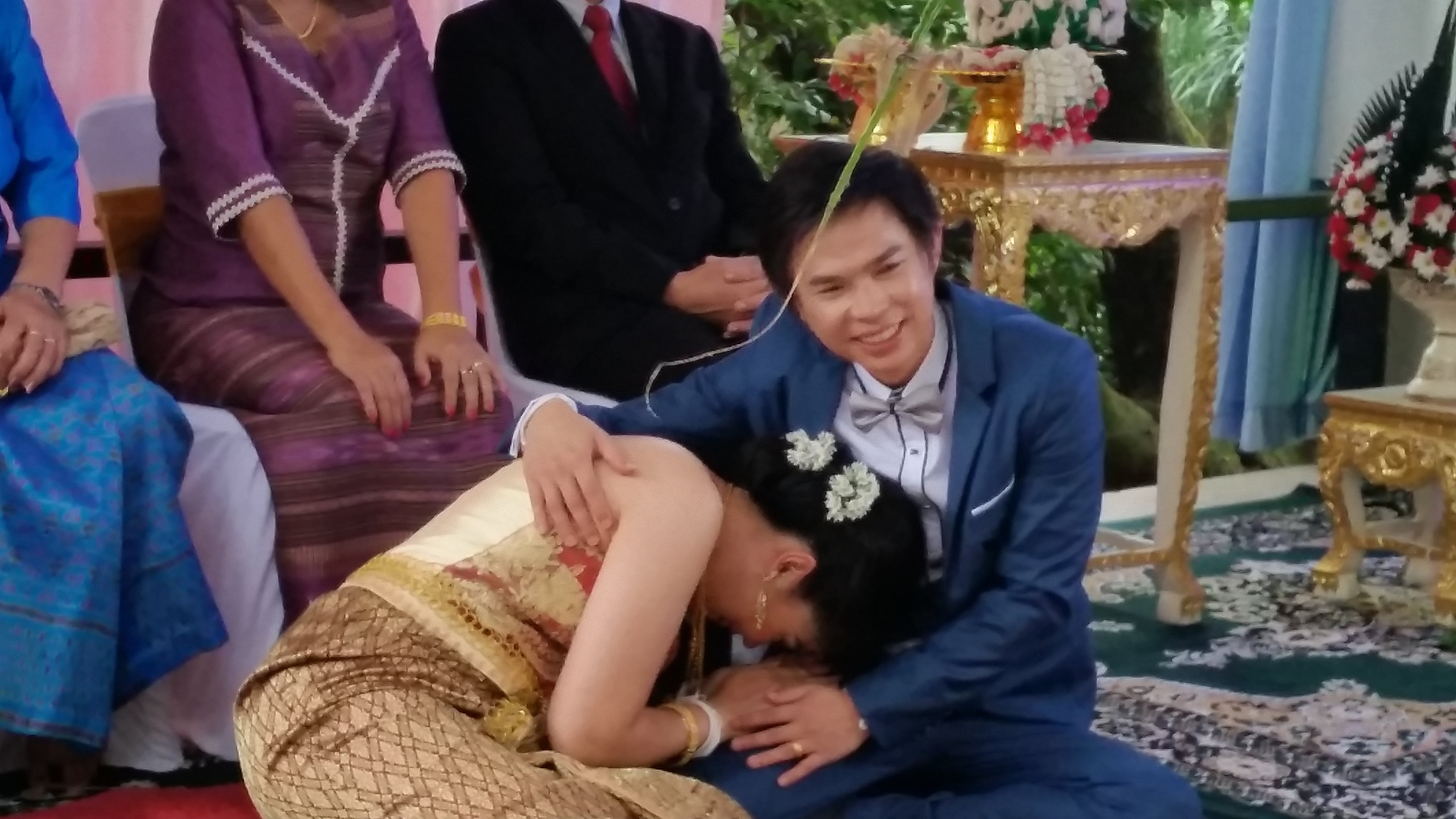

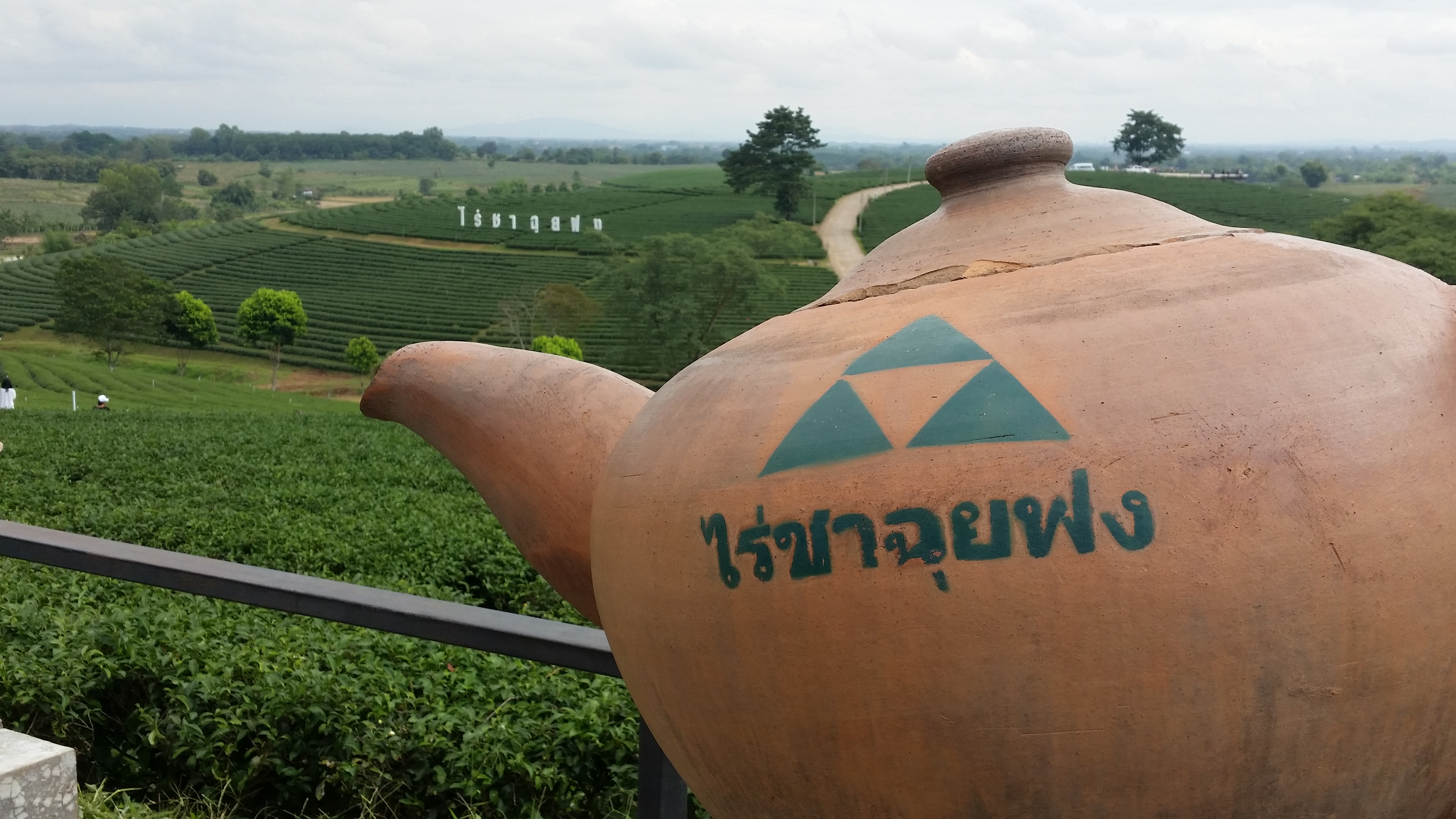


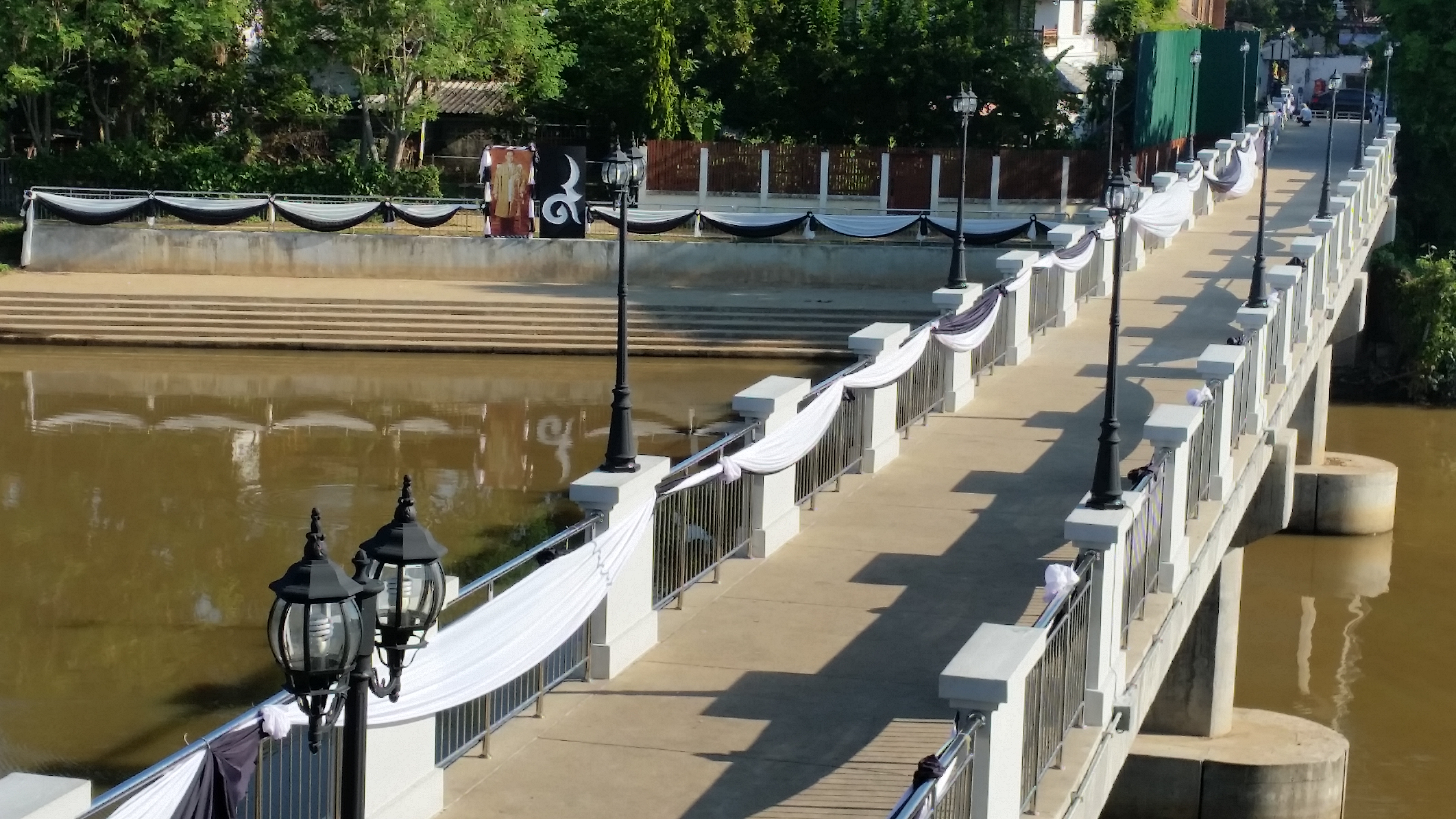

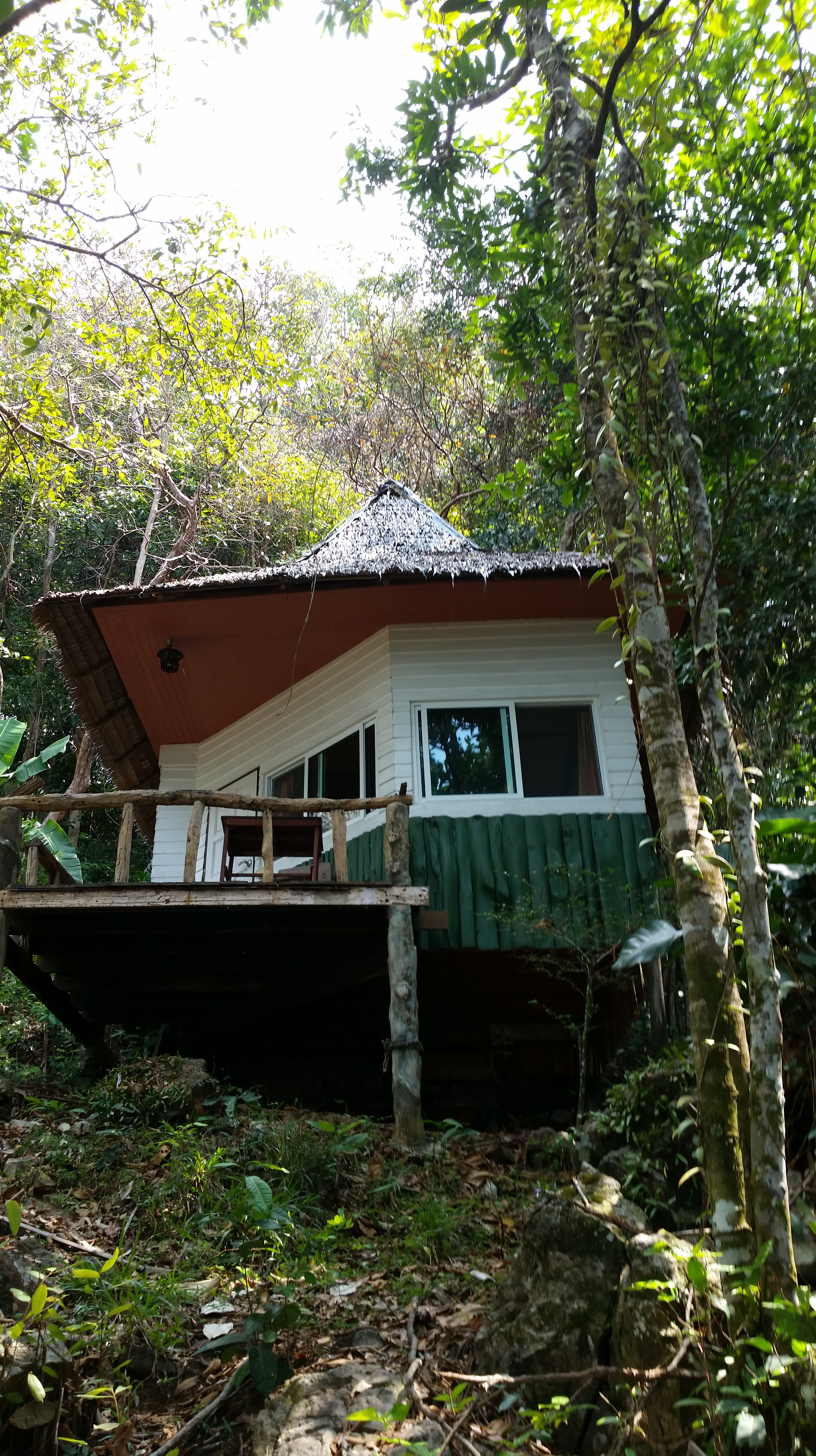
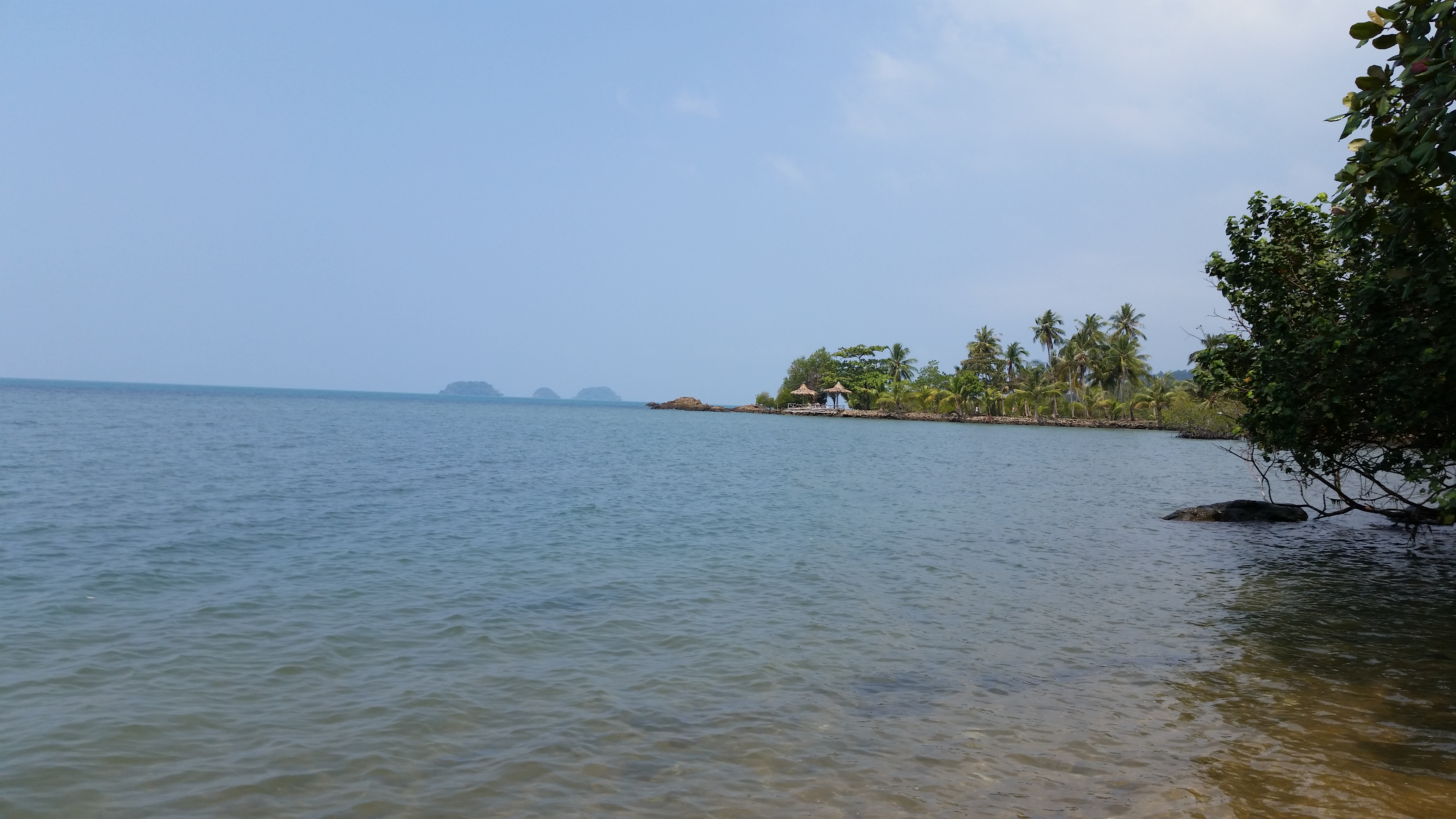


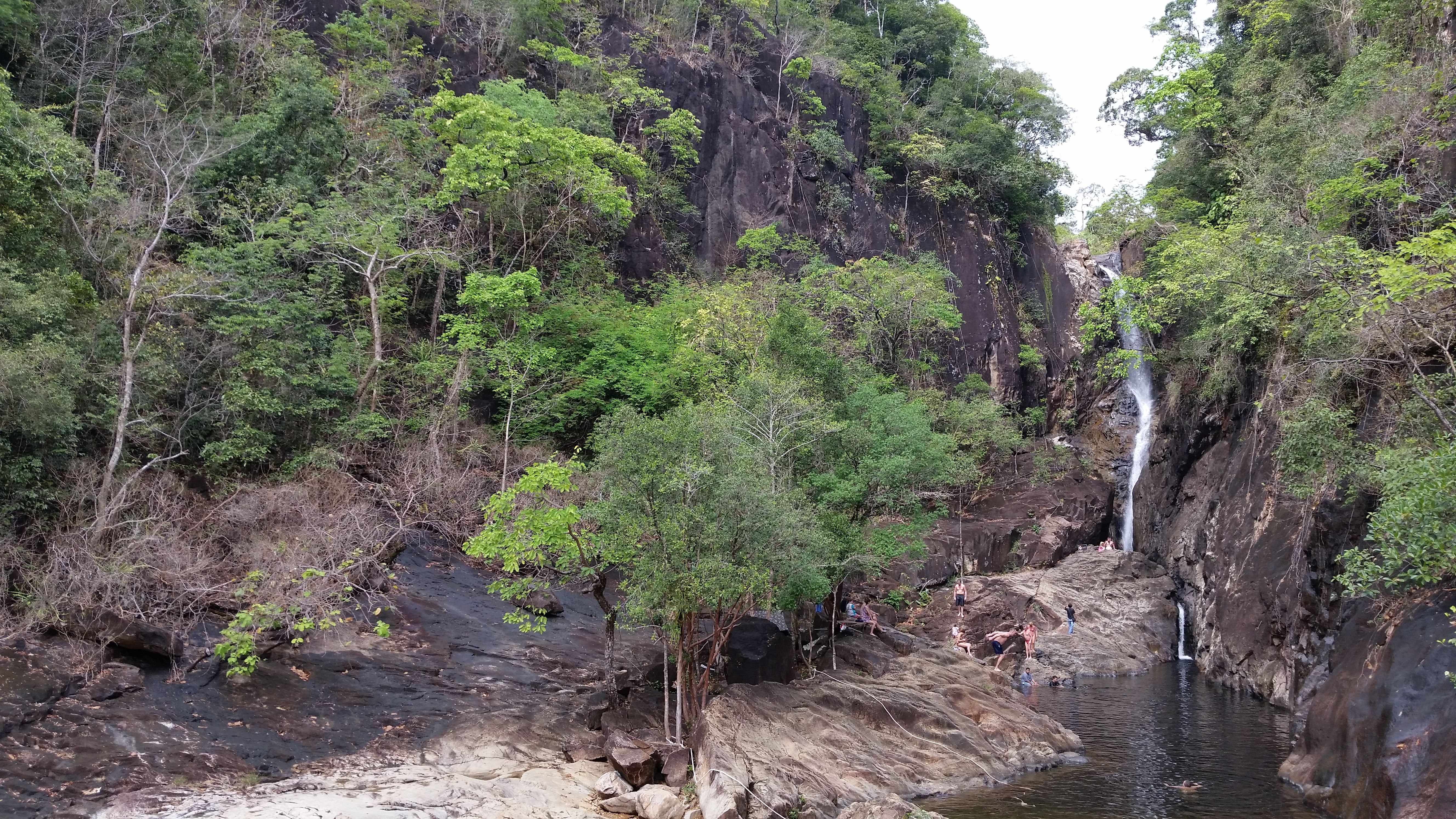


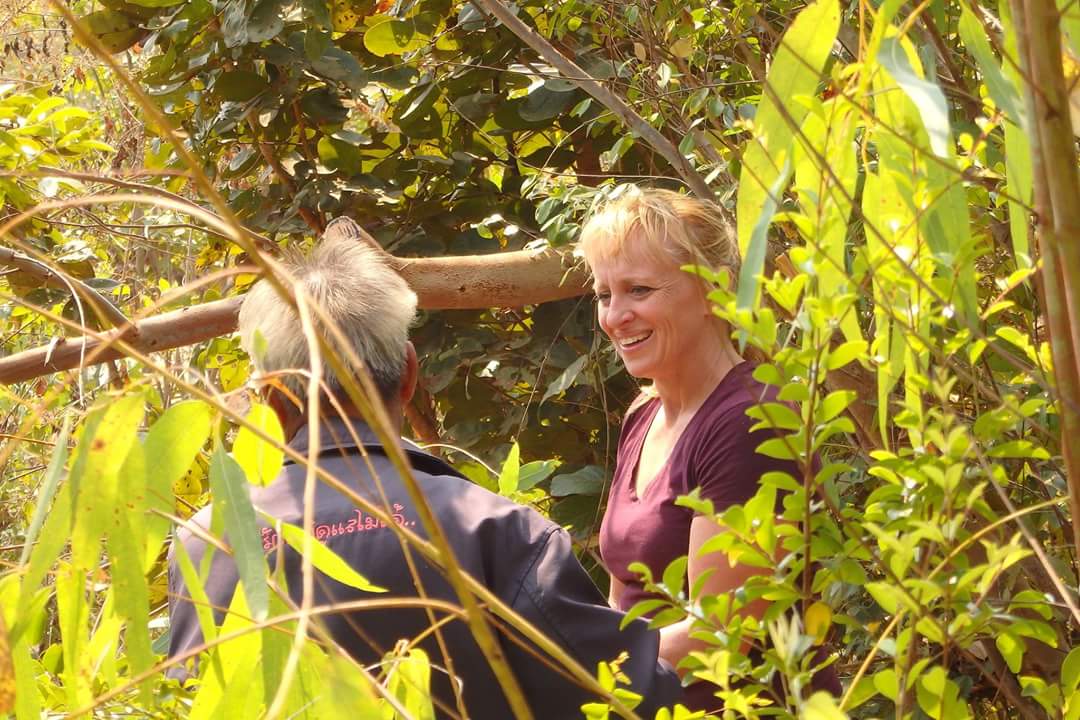

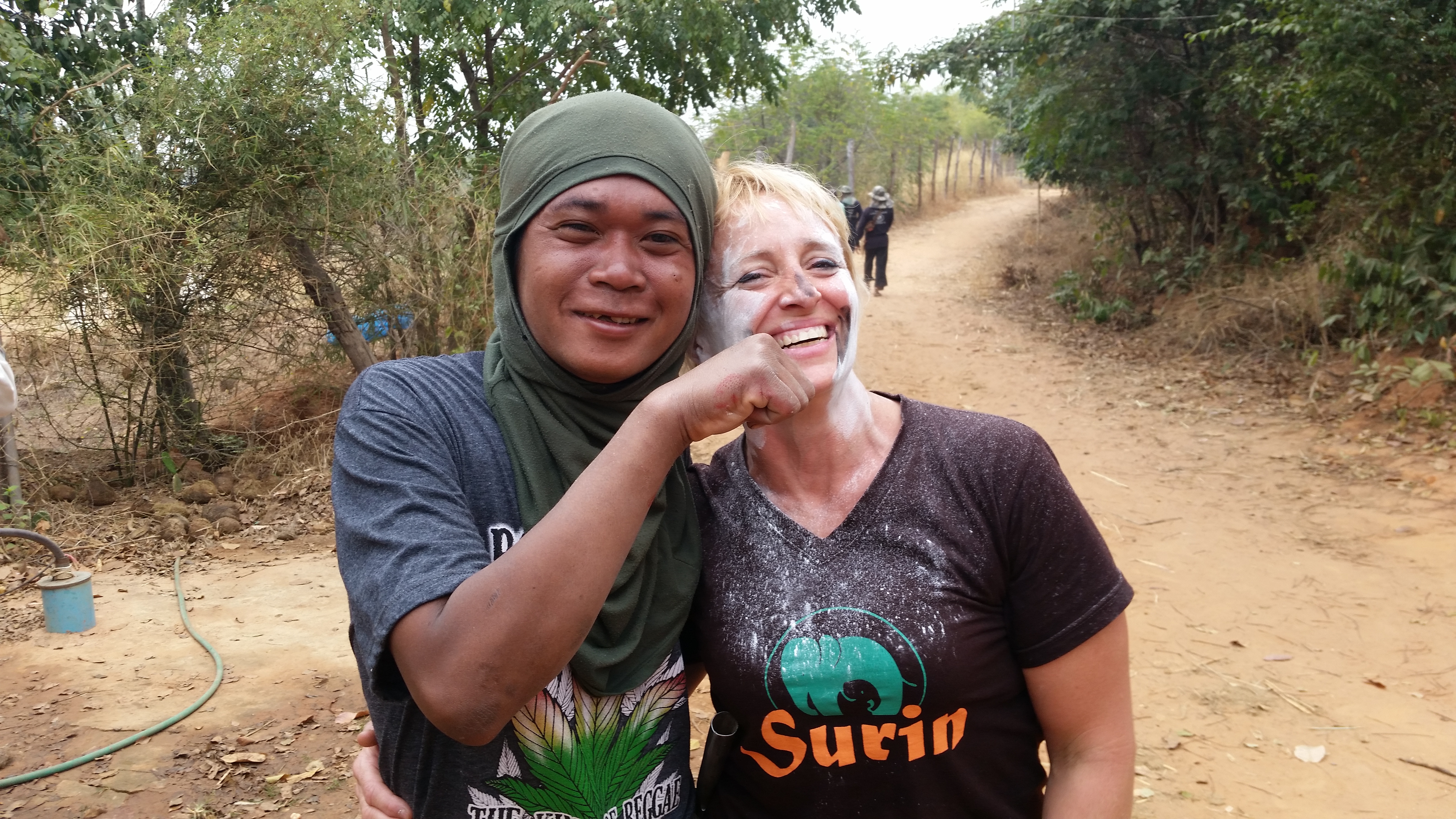
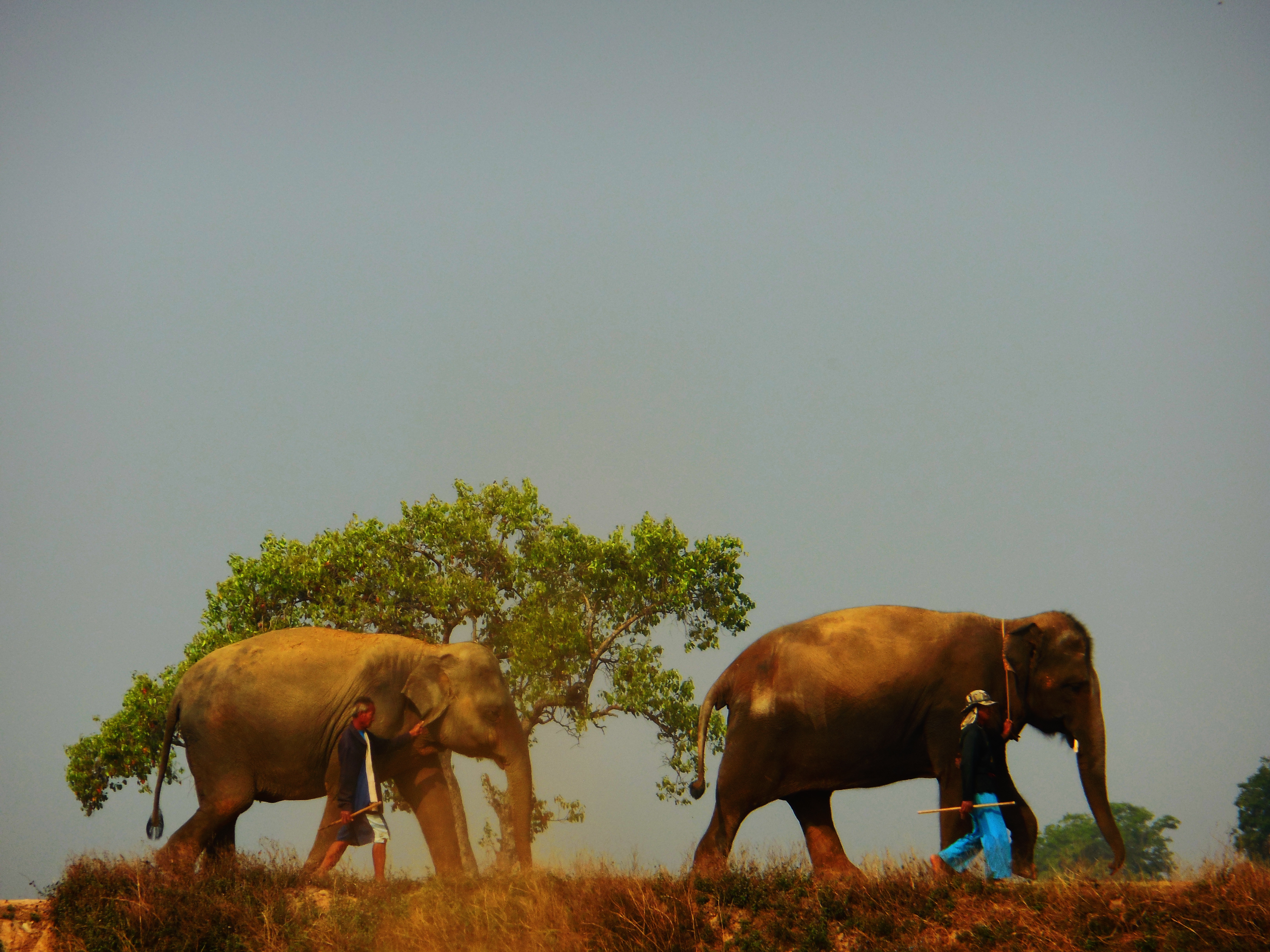
 Adventures with the Gypsy Gal